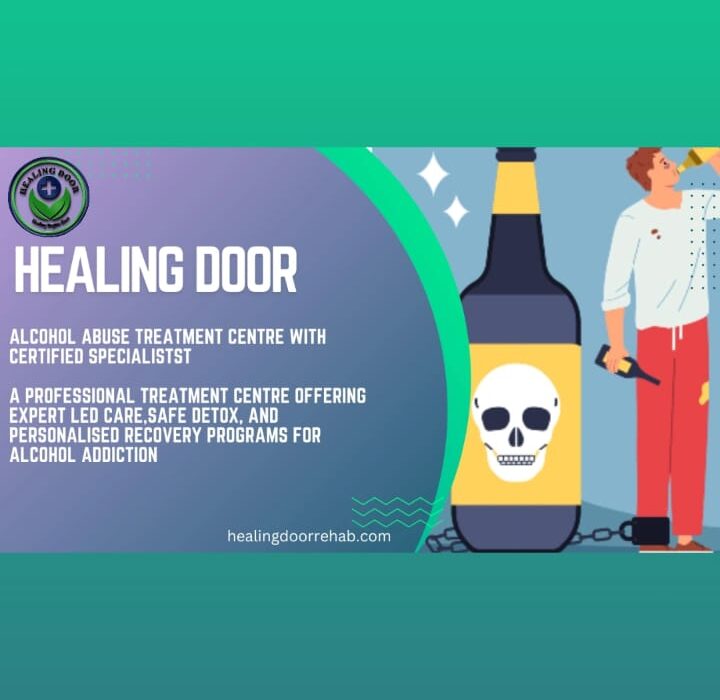
Alcohol Abuse Treatment Centre with Certified Specialists
Alcohol abuse is a serious condition that affects physical health, mental stability, relationships, and overall quality of life. Many people begin drinking socially, but over time alcohol can slowly take control, turning occasional use into dependence. Recognizing the need for help through alcohol abuse treatment is often the first and most important step toward recovery.
Alcohol abuse impacts decision-making, emotions, and daily responsibilities. People struggling with alcohol may experience memory loss, mood swings, sleep problems, and declining performance at work or school. Families often notice changes before the individual does, such as irritability, withdrawal, or neglect of responsibilities. Without proper care, alcohol abuse can lead to long-term health problems and emotional isolation.
Why Certified Specialists Matter in Alcohol Recovery
Recovering from alcohol abuse is not just about stopping drinking. It requires understanding the physical and psychological grip alcohol has on the body. Certified specialists are trained to handle withdrawal symptoms safely while addressing emotional challenges. A structured ALCOHOL ABUSE TREATMENT program ensures that recovery begins in a medically supervised and supportive environment.
Alcohol withdrawal can cause anxiety, tremors, nausea, confusion, and in severe cases, life-threatening complications. Certified professionals monitor these symptoms and provide medical support to reduce discomfort and risk. Beyond physical care, specialists help individuals understand their addiction patterns and develop healthier ways to cope with stress and emotions. This professional guidance builds a strong foundation for lasting recovery.
Restoring Physical Health and Daily Balance
Alcohol abuse takes a toll on the body, affecting the liver, heart, digestive system, and immune function. Treatment centres focus on restoring physical health through proper nutrition, hydration, and medical care. Balanced meals and regular rest help the body heal and regain strength.
Restoring physical health and daily balance is a core part of alcohol abuse treatment, as long-term alcohol use often disrupts the body’s natural systems and daily routines. Treatment focuses on repairing physical damage through proper nutrition, medical support, and gradual reintroduction of healthy movement and sleep habits. As the body detoxifies and regains strength, individuals begin to experience improved energy, clearer thinking, and better emotional control. Re-establishing structured daily routines helps replace alcohol-centred habits with healthier choices, allowing the body and mind to work together toward stability, long-term recovery, and a more balanced everyday life.
Daily routines are gradually reintroduced to create stability. Regular sleep schedules, physical activity, and mindfulness practices help individuals feel grounded and focused. Learning to live without alcohol requires building new habits that support wellness. As physical health improves, mental clarity and emotional balance often follow.
Over time, individuals begin to experience improved energy, better concentration, and increased confidence. These changes reinforce motivation and support continued recovery efforts.
The Role of Therapy in Long-Term Healing
Therapy is a key part of alcohol recovery because addiction often has emotional roots. Individual therapy allows people to explore personal struggles, past experiences, or emotional pain that may have contributed to drinking. Talking openly in a safe environment helps reduce guilt and shame while building self-awareness.
Group therapy also plays an important role. Sharing experiences with others facing similar challenges creates connection and motivation. Many individuals realize they are not alone, which strengthens commitment to recovery. In the middle of treatment, continued emotional care through ALCOHOL ABUSE TREATMENT helps individuals manage cravings and emotional stress without returning to alcohol.
Therapy teaches practical skills such as stress management, emotional regulation, and healthy communication. These tools are essential for handling real-life challenges after treatment ends.
Family Involvement and Emotional Support
Alcohol abuse affects not only the individual but also family members and loved ones. Broken trust, emotional pain, and communication issues are common. Involving families in the recovery process helps rebuild understanding and connection. Family education sessions explain addiction as a medical condition rather than a moral failure.
Supportive families play a powerful role in recovery. They learn how to encourage progress without enabling harmful behaviors. Healthy boundaries and open communication create a safer environment for healing. Emotional support from loved ones often strengthens commitment to recovery and reduces the risk of relapse.
Long-term recovery planning includes family involvement, follow-up counseling, and support groups. These elements help individuals maintain progress after leaving the treatment centre.
A Healthier Future Begins With the Right Choice
Recovery from alcohol abuse is possible with the right care, guidance, and support. Choosing professional help allows individuals to regain control of their lives and rebuild their sense of purpose. A well-structured alcohol abuse treatment program offers medical safety, emotional healing, and practical tools for long-term success.
As individuals move forward, they often rediscover confidence, improve relationships, and experience better physical health. Recovery is a journey, not a single step, but with commitment and continued care, lasting change is achievable through ALCOHOL ABUSE TREATMENT and ongoing support.
Frequently Asked Questions (FAQs)
What is alcohol abuse treatment?
It is a structured program that helps individuals safely stop drinking and recover physically and emotionally.
Is alcohol withdrawal dangerous?
Yes, withdrawal can cause serious symptoms and should be managed by professionals.
How long does alcohol treatment take?
Treatment length varies depending on the individual’s needs and condition.
Does therapy really help in alcohol recovery?
Yes, therapy addresses emotional triggers and teaches coping skills.
Can family support improve recovery outcomes?
Yes, family involvement often strengthens recovery and emotional stability.
Is relapse common after alcohol treatment?
Relapse can happen, but aftercare and support greatly reduce the risk.