
Mental Health and Psychiatric Clinic in Islamabad
One in eight people worldwide lives with a mental health condition, according to the World Health Organization. If you are one of them, you are not alone, and you are not without a real, professional option in Islamabad.
The scale of the problem is not abstract. A 2026 meta-analysis of 35 studies covering more than 11,000 Pakistani university students found roughly half reporting depressive symptoms, and 2026 clinical research published in Discover Public Health documented a substantial burden of depression and anxiety among adults attending outpatient mental health clinics in Pakistan. Demand for real mental health care is enormous. The supply of trustworthy, properly staffed clinics has not kept pace, which is why so many people cycle through brief consultations that never quite help.
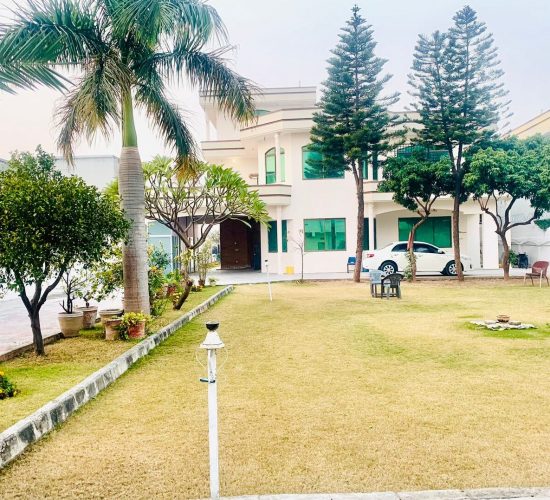
Healing Door Rehabilitation Center (HDRC) is a full mental health and psychiatric clinic in Bani Gala, Islamabad, combining consultant psychiatrists, clinical psychologists and a supportive therapeutic environment under one roof. We are UNODC-accredited, with over 10 years of experience, 2,000-plus patients treated, and a 5-star rating from 200-plus verified reviews. Whether you need a single consultation or comprehensive ongoing care, this is a clinic built to actually help. Meet the clinical team behind it.
What Is a Mental Health and Psychiatric Clinic?
A mental health and psychiatric clinic is a medical facility where qualified psychiatrists and psychologists diagnose and treat psychological and psychiatric conditions through assessment, therapy, medication and ongoing follow-up.
A proper clinic offers what a single-doctor consultation cannot: a multidisciplinary team, a range of therapies, medication management, and continuity of care over time. At HDRC, that means consultant psychiatrists and clinical psychologists working together, on both an outpatient and inpatient basis, to treat the full range of mental health conditions rather than just prescribing and sending patients away.

Conditions Our Mental Health Clinic Treats
Our clinic provides diagnosis and evidence-based treatment across the full spectrum of psychiatric and psychological conditions:
- Depression and mood disorders, including treatment-resistant and postnatal depression
- Anxiety disorders, panic disorder, phobias and stress-related conditions
- Bipolar affective disorder
- Schizophrenia and psychotic disorders
- Obsessive-Compulsive Disorder (OCD) and related disorders
- Post-Traumatic Stress Disorder (PTSD) and trauma-related conditions
- Sleep disorders, eating disorders, personality disorders and adjustment disorders
- Dual diagnosis, where a mental health condition occurs alongside addiction
How Our Clinic Works: From Assessment to Recovery
Every drug grips the brain differently, so treating them all the same way is how other centres fail. Ours does not.
Step 1: Comprehensive psychiatric assessment
Every patient begins with a thorough assessment by a consultant psychiatrist, Prof Dr Jan Alam or Dr. M Iqbal Khan, covering full mental health history, current symptoms, physical health, family history and personal goals. Standardised tools such as PHQ-9 for depression and GAD-7 for anxiety help make the diagnosis objective rather than a guess.
Step 2: A personalised treatment plan
Based on the assessment, we build a plan matched to your specific diagnosis and severity: therapy, medication where needed, or both. No two patients receive an identical plan, because no two presentations are identical.
Step 3: Therapy and psychiatric care combined
Our clinical psychologists Ms. Aneela Sarfraz and Ms. Ammarah Shaarif deliver evidence-based therapy including CBT, motivational interviewing and counselling, working alongside the psychiatrists managing medication. The two reinforce each other rather than operating in silos.
Step 4: Ongoing support and follow-up
Mental health care does not end after one appointment. We provide continued follow-up, medication reviews and support so improvement is sustained, not just started. This continuity is precisely the piece that brief, one-off consultations miss.
How Recovery Actually Works
Real recovery is a pathway, not a single week of detox. Every person at HDRC is guided through each stage with a plan built for them, not for the patient in the next bed.
A Full Clinical Assessment
We start by understanding the whole picture: the substance, the history, physical health, mental health, and the family. Everything after this is built on it.
Medically Supervised Detox
Our doctors and nurses watch over withdrawal around the clock, ease the symptoms, and keep your loved one safe through the hardest phase.
Intensive Therapy
Once stable, patients begin individual and group therapy, including CBT, with our psychologists and addiction therapists to reach the root of the addiction.
Psychiatric Care & Dual Diagnosis
So often, addiction is hiding depression, anxiety or PTSD that was never diagnosed. We treat both at once because ignoring one can contribute to relapse.
Family Involvement
Addiction affects the whole family, and recovery has to be a family process. We help loved ones understand the illness and learn how to support without enabling.
Relapse Prevention & Aftercare
Every patient goes home with a written aftercare plan and relapse-prevention strategy, while our team remains reachable after treatment.
Why Choose HDRC's Mental Health Clinic Over Others in Islamabad
- UNODC-accredited. Meeting the international standard for accredited treatment facilities.
- Named consultant psychiatrists and psychologists. You know exactly who is treating you, and their credentials are public, unlike clinics that never name their doctors.
- Therapy and medication together. Integrated, multidisciplinary care, not just a prescription pad.
- 200+ verified five-star reviews. Real patients and families, checkable on Google.
- Complete confidentiality. Nothing shared without written consent, in a society where stigma still silences people.
- 24/7 availability. Including emergency support during a mental health crisis.
Serving Islamabad, Rawalpindi and Across Pakistan
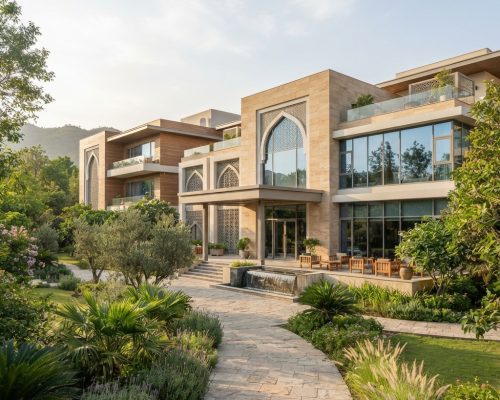
Our Bani Gala clinic is within 20 to 40 minutes of most of the twin cities, serving Islamabad’s F and G sectors, Blue Area, Bahria Town, DHA, Gulberg Greens, Soan Garden, PWD, Media Town, Chak Shahzad and Bani Gala, plus Rawalpindi (Bahria Town Rawalpindi, Saddar, Satellite Town, Chaklala), and patients from Peshawar, Lahore, Abbottabad, Mardan and across the country.
Frequently Asked Questions
What does a mental health clinic do?
A mental health clinic diagnoses and treats psychological and psychiatric conditions through professional assessment, therapy, medication where needed, and ongoing follow-up. At HDRC, consultant psychiatrists and clinical psychologists work together to treat conditions such as depression, anxiety, bipolar disorder, OCD and PTSD, on both an outpatient and inpatient basis.
When should I go to a mental health clinic?
If persistent low mood, anxiety, sleep problems, mood swings, intrusive thoughts, or difficulty coping have lasted more than two weeks and are affecting your daily life, work, studies or relationships, it is time to go. You do not need to reach a crisis point. Earlier care usually means faster and more complete recovery, and given how common these conditions are in Pakistan on current 2026 evidence, seeking help is entirely normal.
Which is the best mental health clinic in Islamabad?
The best clinic for you is one with qualified consultant psychiatrists, clinical psychologists, proper accreditation, verifiable patient reviews, and genuine follow-up care. HDRC offers all of these: UNODC accreditation, a named clinical team, 200-plus five-star reviews, and integrated therapy plus psychiatric care. Rather than trusting a claim, check accreditation, named credentials and real reviews, which are all public for our clinic.
Is everything I tell the clinic confidential?
Yes. Everything discussed is confidential and nothing is shared without your written consent, and you can enquire anonymously before booking. This protection matters especially in Pakistan, where stigma around mental illness remains a real barrier to seeking help.
Do I need a referral to visit the clinic?
No referral is needed. You can contact HDRC directly to book an assessment. Call or message our team at any time and we will arrange a confidential consultation with a consultant psychiatrist or clinical psychologist, usually without a long wait.
Can the clinic help a family member who refuses treatment?
Yes. This is common, especially where the person does not recognise they are ill. We offer confidential family consultations to guide you on approaching the conversation and, if needed, planning a supportive intervention. Call our team before taking any step on your own, as an unplanned confrontation often makes things worse.
Does the clinic treat both mental illness and addiction?
Yes. Many patients have a mental health condition and a substance problem at the same time, known as dual diagnosis. HDRC treats both together, because treating one while ignoring the other is one of the most common reasons treatment fails and relapse happens.
What areas does the clinic serve?
We serve all of Islamabad including the F and G sectors, Blue Area, Bahria Town, DHA, Gulberg Greens, Soan Garden and PWD, plus Rawalpindi (Bahria Town Rawalpindi, Saddar, Satellite Town) and patients from Peshawar, Lahore, Abbottabad and across Pakistan.
Take the First Step Today
The bravest thing anyone ever does is admit they need help. You have already started, just by reading this far and refusing to give up on the person you love. Let us take the next step together.
مدد مانگنا کمزوری نہیں، ہمت ہے۔ آج ہی ہمیں کال کریں۔