Female Rehabilitation Center in Islamabad
For a woman in Pakistan, asking for help with addiction or mental illness takes a courage most people never have to find. This page is written for you, or for the woman you are quietly trying to protect.
Women in Pakistan face barriers to treatment that men simply do not. The fear of gossip in an interconnected community. The weight of family honour and reputation. The discomfort of being the only woman in a male-dominated facility. Caregiving responsibilities that make disappearing for weeks feel impossible. And a cultural silence around women’s mental health and addiction that keeps too many suffering alone. These barriers are real, and they are exactly why a dedicated female programme exists.
Healing Door Rehabilitation Center (HDRC) runs a dedicated female rehabilitation programme in Bani Gala, Islamabad, built specifically around these realities: a private, women-only treatment environment, female clinical staff, and absolute confidentiality. We are UNODC-accredited, with over 10 years of experience, 2,000-plus patients treated, and 200-plus verified 5-star reviews. Here, a woman is treated with dignity, privacy and genuine clinical expertise, not judgement. یہاں آپ محفوظ اور محترم ہیں۔
What Is a Female Rehabilitation Programme?
A female rehabilitation programme is a gender-specific treatment service that provides addiction and mental health care for women in a private, women-only environment with female clinical staff.
Gender-specific care exists because women experience addiction and mental illness differently from men, face different social pressures, and often carry trauma histories that require a safe, female setting to address. A mixed-gender facility, however professional, cannot offer the same privacy and comfort. HDRC’s female programme provides that separate, secure space so a woman can be honest about what she is facing, which is the starting point of any real recovery.
Why Women Need a Dedicated Programme
Privacy that protects reputation and safety
ICE is the fastest-spreading and most frightening addiction in Pakistan, bringing paranoia, days without sleep, aggression and psychosis. Our dedicated ICE rehabilitation programme is built around exactly how methamphetamine attacks the mind and body.
Female clinical staff
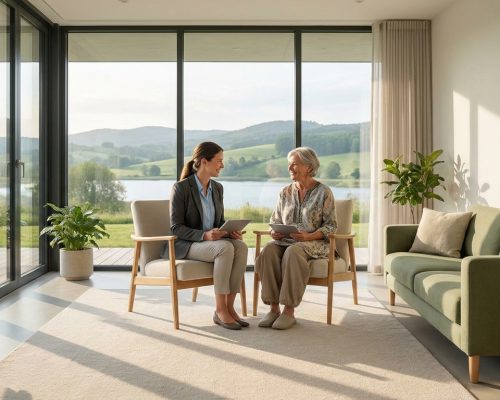
Female clinical staff are involved in the care of our female patients, so a woman can speak openly about deeply personal issues, including trauma and abuse, in a setting that feels genuinely safe rather than intimidating.
Care for the conditions women actually present with
Our female programme treats substance dependency (alcohol, ICE, cannabis, prescription medication such as benzodiazepines and painkillers, opioids) and the mental health conditions women commonly face, including depression, anxiety, PTSD, trauma and postnatal depression. Very often these occur together, and we treat them together.
Understanding women's specific pressures
Postnatal depression, trauma and abuse histories, marital and in-law pressure, body-image and eating issues, and the guilt of stepping away from caregiving roles all shape a woman's recovery. Our female clinical staff understand these pressures because they see them daily, and the treatment plan is built around them rather than ignoring them.
How Recovery Actually Works
Real recovery is a pathway, not a single week of detox. Every person at HDRC is guided through each stage with a plan built for them, not for the patient in the next bed.
A Full Clinical Assessment
We start by understanding the whole picture: the substance, the history, physical health, mental health, and the family. Everything after this is built on it.
Medically Supervised Detox
Our doctors and nurses watch over withdrawal around the clock, ease the symptoms, and keep your loved one safe through the hardest phase.
Intensive Therapy
Once stable, patients begin individual and group therapy, including CBT, with our psychologists and addiction therapists to reach the root of the addiction.
Psychiatric Care & Dual Diagnosis
So often, addiction is hiding depression, anxiety or PTSD that was never diagnosed. We treat both at once because ignoring one can contribute to relapse.
Family Involvement
Addiction affects the whole family, and recovery has to be a family process. We help loved ones understand the illness and learn how to support without enabling.
Relapse Prevention & Aftercare
Every patient goes home with a written aftercare plan and relapse-prevention strategy, while our team remains reachable after treatment.
Who Our Female Rehabilitation Programme Helps
Women of every age and background come to HDRC for help with:
- Alcohol and drug addiction, including ICE (crystal meth), cannabis, and prescription-medication dependency
- Depression, anxiety, PTSD and trauma, including abuse-related trauma
- Postnatal depression and perinatal mental health conditions
- Eating disorders and body-image related conditions
- Dual diagnosis, where addiction and a mental health condition occur together
Whether she is a university student under academic and social pressure, a working professional, a homemaker, a new mother, or a young woman whose family has just realised something is wrong, she receives the same standard of expert, dignified, confidential care.
Serving Women Across Islamabad, Rawalpindi and Pakistan
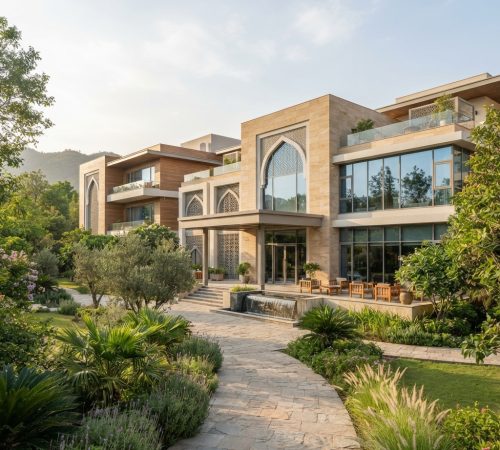
Our Bani Gala facility serves women from across Islamabad, including the F and G sectors, Blue Area, Bahria Town, DHA, Gulberg Greens, Soan Garden, PWD, Media Town and Chak Shahzad, and from Rawalpindi including Bahria Town Rawalpindi, Saddar and Satellite Town. We also support women travelling from Peshawar, Lahore, Abbottabad, Mardan and across Pakistan. For families sending a woman from another city, our admissions team arranges a discreet, safe and professionally managed arrival.
Frequently Asked Questions
Is there a separate rehabilitation center for women in Islamabad?
Yes. HDRC operates a dedicated female rehabilitation programme with a private, women-only treatment environment and female clinical staff. This is one of the very few genuinely gender-specific rehabilitation programmes available in Islamabad, designed so that women can seek help for addiction or mental illness in a safe, dignified and completely confidential setting.
Will my family or community find out if I get treatment?
Not unless you choose to tell them. HDRC maintains absolute confidentiality. No information about any patient is shared with anyone, including extended family, without written consent, and you can enquire anonymously first. For many Pakistani women, this privacy is the single most important factor in the decision to seek help, and we protect it without exception.
Are the staff who treat female patients also female?
Female clinical staff are involved in the care of our female patients, so a woman can discuss deeply personal matters, including trauma and abuse, in a setting that feels safe. This is a core part of how our female programme is designed and one of the main reasons women choose it.
Can women get treatment for both addiction and mental health here?
Yes. Our female programme treats substance addiction and mental health conditions such as depression, anxiety, PTSD and postnatal depression, including cases where the two occur together (dual diagnosis). Treating both at once is essential, because an untreated mental health condition is one of the most common reasons women relapse after addiction treatment.
Do you treat postnatal depression?
Yes. Postnatal depression is a recognised, treatable medical condition, and our psychiatric and female care teams treat it with a combination of therapy and, where appropriate, carefully managed medication. New mothers should never feel they have to cope alone or in silence, and seeking help is a sign of strength, not failure.
My sister or daughter needs help but refuses to go. What can we do?
This is very common, especially with women who fear judgement. Our team offers confidential family consultations to guide you on how to approach the conversation with care, and if needed, how to plan a supportive, professional intervention. Do not force or pressure her without guidance, as this often backfires. Call our female admissions team first and we will help you handle it the right way.
How much does female rehabilitation cost in Islamabad?
Cost depends on whether the programme is inpatient or outpatient and how long treatment lasts. Contact our team for current details, discussed openly and confidentially. Our priority is making genuine, dignified treatment accessible to the women and families who need it.
What areas do you serve for female rehabilitation?
We serve women from across Islamabad including the F and G sectors, Bahria Town, DHA, Gulberg Greens, Soan Garden and PWD, from Rawalpindi including Bahria Town Rawalpindi and Saddar, and from Peshawar, Lahore, Abbottabad and across Pakistan, with coordinated, discreet arrival for out-of-city patients.
Take the First Step Today
The bravest thing anyone ever does is admit they need help. You have already started, just by reading this far and refusing to give up on the person you love. Let us take the next step together.
مدد مانگنا کمزوری نہیں، ہمت ہے۔ آج ہی ہمیں کال کریں۔