
ICE Rehabilitation Services in Islamabad
ICE does not wait. It does not give warnings. By the time a family realises what is happening, the person they knew has already changed. The weight loss. The paranoia. The sleepless nights that stretch into days. The aggression that appears from nowhere and disappears just as fast, replaced by a crash so deep that the person cannot get out of bed for 48 hours.
If you are reading this page, you have probably already watched some version of this unfold. And you are looking for a way to stop it.
Healing Door Rehabilitation Center (HDRC) provides specialist ICE addiction treatment in Islamabad. We are a UNODC-accredited facility with over 10 years of experience and a clinical team that includes consultant psychiatrists, addiction medicine specialists, and clinical psychologists who understand crystal methamphetamine at the level it demands: not as a generic drug problem, but as a neuropsychiatric condition that requires carefully managed detoxification, sustained psychiatric care, and a recovery programme built specifically around how this substance damages the brain.
We have treated over 2,000 patients. We hold a 5-star Google rating with more than 200 verified reviews.
ICE addiction is treatable. Recovery is possible. We have seen it happen hundreds of times, and we know what it takes
What ICE Does to the Brain and Why It Is Different from Other Drugs
Crystal methamphetamine, known in Pakistan as ice or ice nasha, is a synthetic stimulant that floods the brain with dopamine at levels far beyond anything the brain produces naturally. The high is immediate, intense, and unlike anything the person has experienced before. That intensity is precisely what makes it one of the most addictive substances in existence.
The brain adapts rapidly. After repeated exposure, it reduces its own natural dopamine production because ICE is supplying far more than the system was designed to handle. Within weeks, the person’s baseline emotional state without ICE is no longer normal. It is flat, grey, exhausted, and depressed. The drug is no longer taken for pleasure. It is taken to avoid feeling terrible.
This is the neurobiological trap that families struggle to understand. The person is not choosing ICE over their family. Their brain has been chemically restructured to the point where functioning without the drug feels impossible. It is not a matter of wanting to stop. Their neurochemistry is working against them.
Reversing this damage requires time, medical support, and expert psychiatric management. There is no shortcut. There is no home remedy. There is no version of this where determination alone is sufficient.

How ICE Affects the Mind, the Body, and the Family
Psychiatric Effects
Paranoia develops in the majority of regular ICE users. The person becomes convinced they are being followed, watched, recorded, or plotted against. This is not metaphorical suspicion. It is clinical paranoia that can progress to full psychotic episodes indistinguishable from schizophrenia, complete with auditory hallucinations, delusions of persecution, and complete disconnection from reality. In our experience at HDRC, ICE-induced psychosis is the single most common reason families seek emergency admission. The patient has become unrecognisable. They are hearing voices. They believe family members are conspiring against them. They have not slept in four days. The situation has become unsafe
Physical Effects
Severe and rapid weight loss. Dental deterioration from dry mouth, teeth grinding, and the acidic properties of the drug. Skin sores from compulsive picking. Cardiovascular stress including elevated heart rate and blood pressure. Immune system suppression. Chronic insomnia followed by periods of complete collapse.
Impact on the Family
ICE nasha does not destroy one person. It dismantles the household. The person's behaviour becomes unpredictable, swinging between intense energy and total withdrawal. Trust collapses. Financial resources are drained. Siblings, children, and parents live in a state of constant anxiety, never knowing which version of the person they will encounter on any given day. At HDRC, we do not treat the patient in isolation. We treat the family system, because both need support, and because the patient's recovery depends on the family's ability to participate constructively in the process.
Why ICE Addiction Requires Specialist Treatment
A general drug rehabilitation programme is not sufficient for ICE addiction. Crystal methamphetamine presents clinical challenges that most substance dependencies do not.
The withdrawal period is primarily psychiatric, not physical. Unlike alcohol or opioid withdrawal, ICE withdrawal does not typically produce life-threatening physical symptoms. Instead, it produces severe depression, profound exhaustion, intense cravings, paranoia, and in some patients, psychotic episodes that require immediate psychiatric management.
ICE-induced psychiatric symptoms can persist for weeks or months after the last use. Paranoia, mood instability, cognitive impairment, and depressive episodes do not resolve the moment the drug leaves the system. They require sustained psychiatric monitoring and, in many cases, carefully calibrated medication.
The relapse risk for ICE is among the highest of any substance. The combination of intense cravings, persistent anhedonia (inability to feel pleasure without the drug), and the speed at which the brain re-engages with methamphetamine means that relapse prevention for ICE must be more thorough, more specific, and more sustained than for most other substances.
HDRC’s ICE programme is built around these realities. Our consultant psychiatrists, Prof Dr Jan Alam and Dr. M Iqbal Khan, are actively involved in every ICE patient’s care from admission through discharge. This is not a generic programme with a psychiatrist available “if needed.” Psychiatric management is central to every ICE treatment plan we deliver.
Our ICE Rehabilitation Programme
Step 1: Emergency Assessment and Stabilisatio
ICE patients frequently arrive at HDRC in acute crisis: psychotic, agitated, sleep-deprived, malnourished, and frightened. The first priority is stabilisation. Our medical team, led by Dr. Nasir Mehmood Abbasi and Dr. Shahid Ikram, conducts an immediate clinical assessment covering the patient's current mental state and any active psychiatric symptoms, physical health including cardiovascular status, hydration, and nutritional condition, complete substance use history, any medications currently being taken, and the circumstances that led to admission. If the patient is experiencing acute psychosis or severe agitation, psychiatric intervention begins immediately. Safety is the first priority, always.
Step 2: Medically and Psychiatrically Supervised Detox
ICE detoxification at HDRC is managed under continuous medical and psychiatric supervision. The crash that follows cessation of methamphetamine use involves profound exhaustion where patients may sleep 18 to 20 hours a day in the first week, severe depressive symptoms, intense cravings, and in some patients, persisting paranoia or psychotic features. Our team monitors the patient's mental state around the clock, manages emerging psychiatric symptoms with appropriate medication where clinically indicated, ensures adequate nutrition and hydration during a period when most patients have no appetite, and provides consistent emotional support through the most vulnerable phase of the recovery process. Detox is not a standalone treatment. It is the essential first step that stabilises the patient enough to engage in the therapeutic work that follows.
Step 3: Intensive Psychiatric Care
This is where HDRC's programme differs most fundamentally from general rehabilitation centres. ICE causes neurological damage that produces psychiatric symptoms persisting well beyond the detox period. Paranoia may linger for weeks. Depression may deepen before it improves. Cognitive function, including memory, concentration, and decision-making, is often impaired for months after the last use. Our consultant psychiatrists manage these symptoms with clinical rigour, carefully distinguishing between ICE-induced psychiatric presentations and underlying conditions that may have predated the addiction. Medication protocols are individually calibrated and regularly reviewed. The goal is psychiatric stabilisation that provides a solid foundation for therapeutic recovery.
Step 4: Intensive Therapeutic Programme
Once psychiatrically stable, the patient enters the core of the recovery programme. Cognitive Behavioural Therapy (CBT), delivered by Ms. Aneela Sarfraz and Ms. Ammarah Shaarif, helps patients identify and restructure the thought patterns and behavioural cycles that drive ICE use. This is not abstract theory. It is practical, session-by-session skill-building that gives the patient concrete tools to manage cravings, avoid triggers, and make different decisions in real-world situations. Motivational Interviewing, conducted by Dr. Asad Ali Noor and Mr. Haider Ali, works with the ambivalence that nearly every ICE patient feels. The part that wants to stop and the part that does not. This is not confrontational. It is a collaborative process that strengthens the patient's own motivation for recovery. Group therapy provides the human connection that ICE systematically destroys. Hearing another person describe the same isolation, the same paranoia, the same family damage creates a moment of recognition that no individual session can replicate. Trauma-informed therapy addresses the underlying pain that drives many patients to ICE in the first place: abuse, loss, shame, chronic emotional neglect.
Step 5: Family Therapy
ICE nasha devastates families. The fear, the anger, the grief, the financial damage, the shattered trust. These do not resolve automatically when the patient enters treatment. HDRC's family therapy programme brings loved ones into the recovery process through structured sessions that help them understand what ICE has done to their family member's brain, recognise patterns of enabling or conflict that may unintentionally sustain the addiction cycle, process their own emotional damage in a safe clinical environment, and learn practical strategies for supporting recovery without sacrificing their own wellbeing.
Step 6: Relapse Prevention and Long-Term Aftercare
ICE relapse is dangerous. The brain remembers the drug with extraordinary precision, and a single use can re-engage the full cycle of addiction rapidly. Relapse prevention for ICE is therefore more detailed, more specific, and more sustained than for most other substances. Before discharge, every HDRC patient develops a personalised relapse prevention plan with their therapist: specific triggers identified, specific coping strategies for each trigger, a structured daily routine, a support network map, and a clear emergency protocol. The HDRC team remains available to every former patient indefinitely. Follow-up phone calls, outpatient sessions, and re-assessment are available for as long as the patient needs support.
How Recovery Actually Works
Real recovery is a pathway, not a single week of detox. Every person at HDRC is guided through each stage with a plan built for them, not for the patient in the next bed.
A Full Clinical Assessment
We start by understanding the whole picture: the substance, the history, physical health, mental health, and the family. Everything after this is built on it.
Medically Supervised Detox
Our doctors and nurses watch over withdrawal around the clock, ease the symptoms, and keep your loved one safe through the hardest phase.
Intensive Therapy
Once stable, patients begin individual and group therapy, including CBT, with our psychologists and addiction therapists to reach the root of the addiction.
Psychiatric Care & Dual Diagnosis
So often, addiction is hiding depression, anxiety or PTSD that was never diagnosed. We treat both at once because ignoring one can contribute to relapse.
Family Involvement
Addiction affects the whole family, and recovery has to be a family process. We help loved ones understand the illness and learn how to support without enabling.
Relapse Prevention & Aftercare
Every patient goes home with a written aftercare plan and relapse-prevention strategy, while our team remains reachable after treatment.
Why HDRC Is the Right Choice for ICE Rehabilitation
UNODC-Accredited Facility: Healing Door is accredited by the United Nations Office on Drugs and Crime, confirming that our treatment standards, ethical practices, and clinical outcomes meet the international benchmark for addiction treatment.
Specialist Psychiatric Team for ICE: Two consultant psychiatrists (Prof Dr Jan Alam, Dr. M Iqbal Khan), two consultant psychologists, two clinical psychologists, and specialist medical staff. ICE treatment at HDRC is psychiatrically led, not counselling-led.
200+ Verified Five-Star Reviews: Real patients and families sharing their experiences publicly on Google. This is the most honest measure of any treatment facility.
2,000+ Patients Treated: More than a decade of continuous operation in Bani Gala, Islamabad.
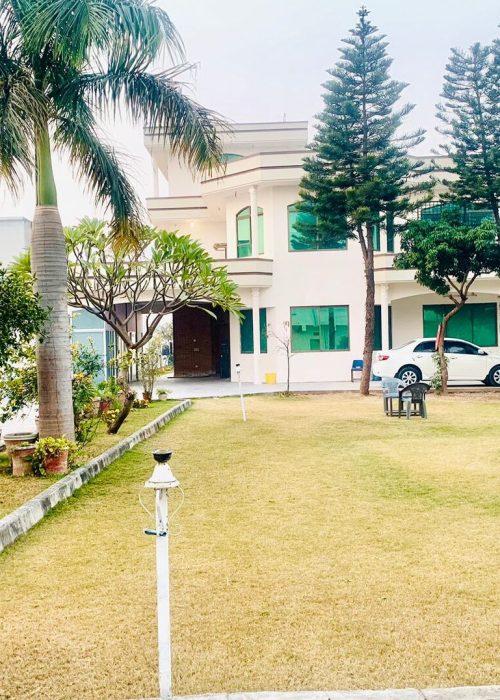
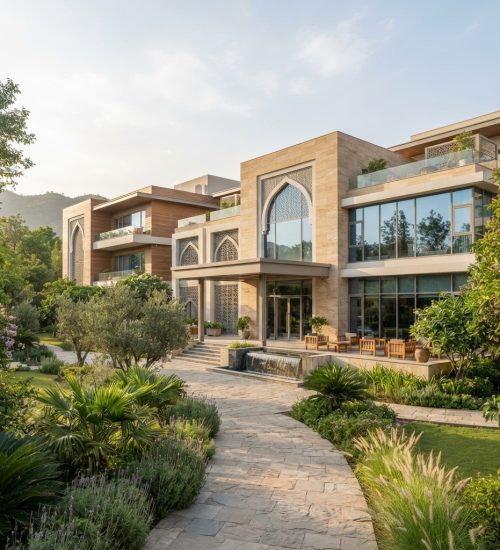
Bani Gala’s Healing Environment: Clean air, surrounding hills, and complete separation from the environments and triggers that sustain ICE use.
Complete Confidentiality: No information is shared without written consent. No exceptions.
Who We Serve
HDRC provides ICE rehabilitation for patients from Islamabad, Rawalpindi, Bahria Town, DHA, F-Sectors, G-Sectors, Soan Garden, Swan Garden, PWD, Gulberg Greens, Media Town, and all areas of the twin cities.
We also treat patients from Peshawar, Swat, Mardan, Abbottabad, Lahore, Faisalabad, Multan, Karachi, and cities across Pakistan. ICE addiction is no longer confined to one city, one age group, or one social class. We have treated students, professionals, business owners, labourers, and young adults from every background, and every patient receives the same standard of expert, dignified, confidential care.
For patients outside Islamabad, our admissions team coordinates arrival logistics and ensures a discreet process.
We also operate a dedicated female rehabilitation programme for women who require gender-specific care.
Frequently Asked Questions About ICE Addiction Treatment in Islamabad
What exactly is ICE and why is it so addictive?
ICE is the street name for crystal methamphetamine, a synthetic stimulant that forces the brain to release massive amounts of dopamine, the chemical responsible for pleasure and motivation. The high is immediate and intense. But the brain adapts fast. After repeated use, it stops producing dopamine on its own because ICE has been flooding the system with artificial supply. Within weeks, the person cannot feel normal, happy, or even functional without the drug. They are no longer using ICE to get high. They are using it to avoid feeling empty. That is the trap, and it is neurological, not moral.
What are the early signs of ICE addiction?
The physical signs usually show first: rapid, unexplained weight loss. Staying awake for unusually long periods, two, three, even four days. Dilated pupils. Skin picking that leaves visible sores. Dental problems. Then the behavioural signs: extreme mood swings between hyperactivity and total collapse. Paranoia, suspicion of family members, checking windows and doors repeatedly. Secretive behaviour. Disappearing money. Withdrawing from friends and responsibilities. If someone in your family is showing three or more of these signs together, do not wait. Contact us for a confidential assessment.
Is ICE withdrawal dangerous?
ICE withdrawal is different from alcohol or opioid withdrawal. It is not typically a physical medical emergency in the same way. But it is psychiatrically dangerous. The crash after stopping ICE involves extreme exhaustion, sleeping 16 to 20 hours a day, severe depression that can include suicidal thoughts, intense cravings, paranoia, and in some patients, psychotic episodes. Without professional psychiatric management, the risk of relapse during withdrawal is extremely high, and the risk of self-harm is real. ICE detox should always be conducted in a clinical setting with psychiatric supervision. At HDRC, Prof Dr Jan Alam and the psychiatric team are directly involved in managing every ICE detox.
What is ICE-induced psychosis and can it be treated?
ICE-induced psychosis is a state where the person loses contact with reality because of the drug’s effect on their brain. They may hear voices that are not there. They may become convinced that people are following them, recording them, or plotting against them. They may become aggressive, frightened, or completely unresponsive. This is one of the most distressing experiences a family can witness. The good news is that ICE-induced psychosis is treatable. With proper psychiatric medication and continuous monitoring, psychotic symptoms typically resolve within days to weeks after the person stops using. In more severe cases, psychiatric stabilisation takes longer, but recovery is still the expected outcome. Our consultant psychiatrists at HDRC manage ICE psychosis regularly and have extensive experience with this specific presentation.
How long does ICE rehabilitation take?
The detox and initial stabilisation phase lasts 1 to 2 weeks. The full residential programme runs 30 to 90 days depending on the severity of the addiction, the presence of psychiatric symptoms, and how the patient responds to treatment. Some ICE patients, particularly those with extended use histories or severe psychotic features, benefit from programmes longer than 90 days. We do not impose rigid timeframes. The programme adapts to what the patient clinically needs.
Is ICE rehab at HDRC confidential?
Absolutely. No information about any patient is disclosed to anyone without explicit written consent. This includes employers, extended family, community members, and any other party. Many of our ICE patients come from families where public knowledge of the addiction would cause serious personal and social damage. We take confidentiality as seriously as we take clinical care. You can enquire anonymously before making any decision.
Can someone recover from ICE addiction permanently?
Yes. Recovery from ICE addiction is documented, studied, and real. The brain’s dopamine system does recover over time, though the process is slower than with most other substances. Full neurological recovery can take 12 to 18 months after the last use, during which the patient progressively regains the ability to feel pleasure, motivation, and emotional stability without the drug. What treatment does is get the patient safely through the most dangerous period, equip them with the psychological tools to manage cravings and triggers, treat any underlying psychiatric conditions, and build a structured aftercare plan that supports long-term sobriety. We have treated hundreds of ICE patients at HDRC who are now living stable, productive lives.
My family member is using ICE but refuses treatment. What should I do?
This is very common with ICE specifically because the drug itself causes paranoia and distrust. The person often believes they do not have a problem, or they are convinced that the family is overreacting, or they genuinely fear what treatment involves. Our clinical team can guide you through a family consultation, either in person or by phone, where we help you understand the situation clinically, advise you on how to approach the conversation, and if necessary, help you plan a structured intervention. Do not try to physically force someone into treatment or give ultimatums without professional guidance. Call us first: +92 314 992 2547.
Do you treat young adults and students for ICE addiction?
Yes. ICE addiction among young adults and university students in Islamabad and Rawalpindi has increased significantly in recent years. We regularly treat patients in their late teens and twenties who began using ICE socially and progressed to dependency within months. Our programme for younger patients includes age-appropriate therapeutic approaches, educational support where relevant, and family involvement tailored to the dynamics of the parent-child relationship during the recovery process.
What is the difference between ICE and other drugs like heroin or cannabis?
The key difference is how ICE affects the brain. Heroin and opioids primarily target the brain’s pain and pleasure receptors, creating a sedating, numbing effect. Cannabis affects mood and perception more gradually. ICE floods the brain with dopamine at levels that dwarf both of these substances, creating an intensity of stimulation that rewires the reward system far more aggressively. ICE also produces psychiatric symptoms, particularly paranoia and psychosis, that are far more common and severe than with most other substances. This is why ICE requires a different treatment approach: one that is psychiatrically led, not just counselling-based.
Does HDRC treat the mental health problems caused by ICE?
Yes. This is central to what we do. ICE frequently causes or worsens depression, anxiety, paranoia, psychotic symptoms, cognitive impairment, and sleep disorders. Many ICE patients also have pre-existing mental health conditions that were either undiagnosed or were the original reason they started using. Our dual diagnosis approach means we assess and treat both the addiction and the psychiatric condition simultaneously. Prof Dr Jan Alam and Dr. M Iqbal Khan lead this aspect of care.
Can family members participate in the treatment programme?
Yes, and we strongly encourage it. ICE addiction causes enormous damage to family relationships. Trust breaks down. Communication becomes hostile or non-existent. Family members carry anger, grief, fear, and exhaustion that does not disappear just because the patient entered treatment. Our family therapy sessions help loved ones understand what ICE has done to the patient’s brain, recognise their own enabling or conflict patterns, and rebuild communication on a healthier foundation. Many families tell us that the family therapy component was the most valuable part of the entire programme.
Do you treat patients from Rawalpindi and nearby areas?
Yes. We serve patients from across the twin cities and surrounding regions. A large portion of our ICE patients come from Rawalpindi, Bahria Town (both Islamabad and Rawalpindi phases), DHA Islamabad, Gulberg Greens, Soan Garden, PWD, Media Town, F-Sectors, G-Sectors, Blue Area, and all Islamabad zones. We also regularly admit patients from Peshawar, Swat, Mardan, Abbottabad, Lahore, Faisalabad, Multan, Karachi, and other cities. Our Bani Gala facility is 20 to 40 minutes from most areas of Islamabad and Rawalpindi. For patients from other cities, our admissions team coordinates travel and ensures a private arrival.
What makes HDRC different from other rehab centres in Islamabad for ICE treatment?
Three things that you can verify independently. First, our UNODC accreditation. This is the United Nations standard for addiction treatment facilities. Ask any other centre in Islamabad whether they hold this accreditation. Second, our clinical team: two consultant psychiatrists, two consultant psychologists, two clinical psychologists, and specialist medical staff, all named on our website with their qualifications. ICE treatment at HDRC is psychiatrically led by qualified specialists, not managed by counsellors alone. Third, our track record: over 2,000 patients treated, more than 200 verified five-star Google reviews. These are facts you can check right now.
How do I start the process?
Call or WhatsApp +92 314 992 2547. We are available 24 hours a day, 7 days a week, including emergencies. Tell us what is happening. We will listen, answer your questions honestly, and explain what the next steps look like. The first conversation is always confidential and carries no obligation. If you are calling about a family member who is in active crisis, psychotic, agitated, or in immediate danger, tell us immediately. We can arrange emergency admission.
Take the First Step Today
The bravest thing anyone ever does is admit they need help. You have already started, just by reading this far and refusing to give up on the person you love. Let us take the next step together.
مدد مانگنا کمزوری نہیں، ہمت ہے۔ آج ہی ہمیں کال کریں۔