
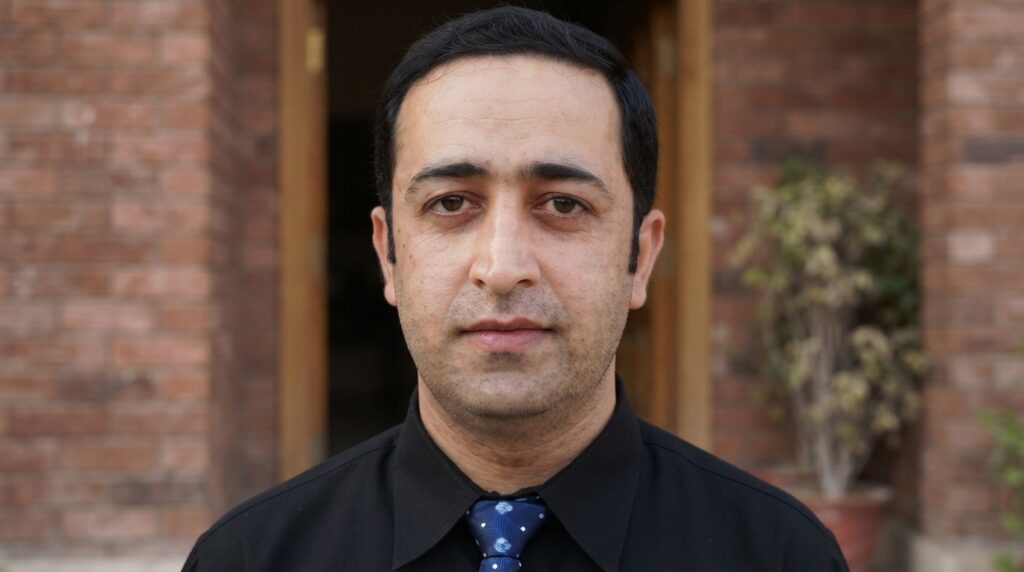
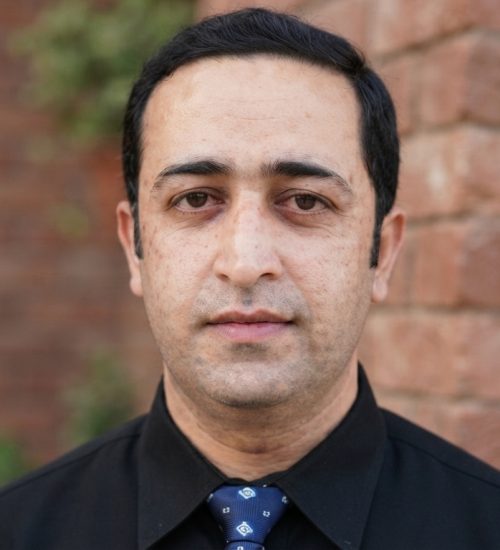
Dr. M. Iqbal Khan
PSYCHIATRIST
Dr. M. Iqbal is one of the best psychiatrists in Islamabad. Not only does he have a number of certifications including MBBS and MCPS, but he also has 10 years of experience in his field with a high success rate with patients. He has undergone extensive training to treat a variety of illnesses, including anxiety disorders, depression, personality disorders, and schizophrenia, and to perform various procedures.
Why a Psychiatrist Is Not Optional in Addiction Treatment
This is the single most important thing families need to understand when evaluating rehab centers in Islamabad or anywhere in Pakistan: a rehabilitation program without a qualified psychiatrist on its clinical team is structurally incomplete.
The reason is straightforward. A large proportion of people who develop substance dependence also have an underlying psychiatric condition. Depression, anxiety disorders, bipolar disorder, ADHD, PTSD, and schizophrenia are not uncommon among patients who present for addiction treatment. In many cases, the substance use began as self-medication for a psychiatric condition that was never properly diagnosed or treated. In other cases, prolonged drug use, particularly methamphetamine and cannabis, has caused psychiatric symptoms that persist long after detoxification is complete.
A psychologist can provide therapy. A counselor can provide support. But only a psychiatrist can diagnose psychiatric illness using standardized clinical criteria, prescribe and adjust psychiatric medications, differentiate between substance-induced psychiatric symptoms and primary psychiatric disorders, and manage the pharmacological complexity that arises when a patient needs both addiction-related medical care and psychiatric medication simultaneously.
Facilities that rely on counselors and motivational speakers without psychiatric oversight are not equipped to treat the patients who need treatment most.
Dr. Khan's Clinical Scope at Healing Door
At HDRC, Dr. Khan conducts a psychiatric evaluation for every incoming patient as part of the admission process. This assessment is not a checklist. It is a structured clinical interview designed to identify whether a co-occurring psychiatric condition is present, how severe it is, how it interacts with the patient’s substance use pattern, and what pharmacological intervention, if any, is needed alongside the behavioral therapy program.
His diagnostic and treatment experience covers the conditions most frequently seen in Pakistan’s rehab patient population:
Depressive disorders
Depressive disorders are the most common psychiatric comorbidity in patients with opioid and methamphetamine dependence. Some patients arrive at Healing Door with depression so severe that they cannot engage with therapy until their mood has been pharmacologically stabilized. Dr. Khan manages this process, selecting and titrating antidepressant medications while monitoring for interactions with any substances still clearing the patient's system.
Psychotic features
Psychotic features, including paranoia, auditory hallucinations, and delusions, are increasingly common among patients with crystal meth and ice use histories. Substance-induced psychosis can look identical to primary schizophrenia in the acute phase, and the distinction matters because the treatment trajectory is different. Dr. Khan's role includes making this differential diagnosis accurately, which requires clinical experience that goes beyond textbook knowledge.
Anxiety disorders
Anxiety disorders, including generalized anxiety, panic disorder, and social phobia, frequently co-occur with alcohol dependence and benzodiazepine misuse. These patients often began using the substance specifically to manage anxiety symptoms, and treatment must address the anxiety itself or relapse is nearly certain.
Bipolar disorder
Bipolar disorder presents a particular challenge in rehab settings because the manic phase can mimic stimulant intoxication, and the depressive phase can be indistinguishable from post-withdrawal anhedonia. Misdiagnosis in either direction leads to inappropriate treatment. Dr. Khan's 10 years of psychiatric practice give him the pattern recognition needed to get this right.
Personality disorders
Personality disorders, particularly borderline and antisocial presentations, are overrepresented in addiction populations and significantly complicate the therapeutic process. These patients require a coordinated approach between the psychiatrist and the psychotherapy team, which is exactly how Healing Door's clinical structure is designed to function.
Ongoing Psychiatric Care During Residential Treatment
Psychiatric treatment at Healing Door is not a one-time assessment. Dr. Khan provides ongoing follow-up throughout the patient’s residential stay. Medications are adjusted based on response. Psychiatric symptoms are monitored as the patient progresses through detox and into active therapy. If new symptoms emerge, as they sometimes do when a substance that was masking an underlying condition is removed, the treatment plan is updated accordingly.
This continuity is what distinguishes a facility with integrated psychiatric care from one that brings in a psychiatrist for a single visit and then manages everything else through counseling alone.
To arrange a psychiatric consultation or to discuss whether your family member’s symptoms require dual diagnosis treatment, call 0314-9922547.