Complete Ice Nasha Treatment Program | Trusted Rehab in Pakistan
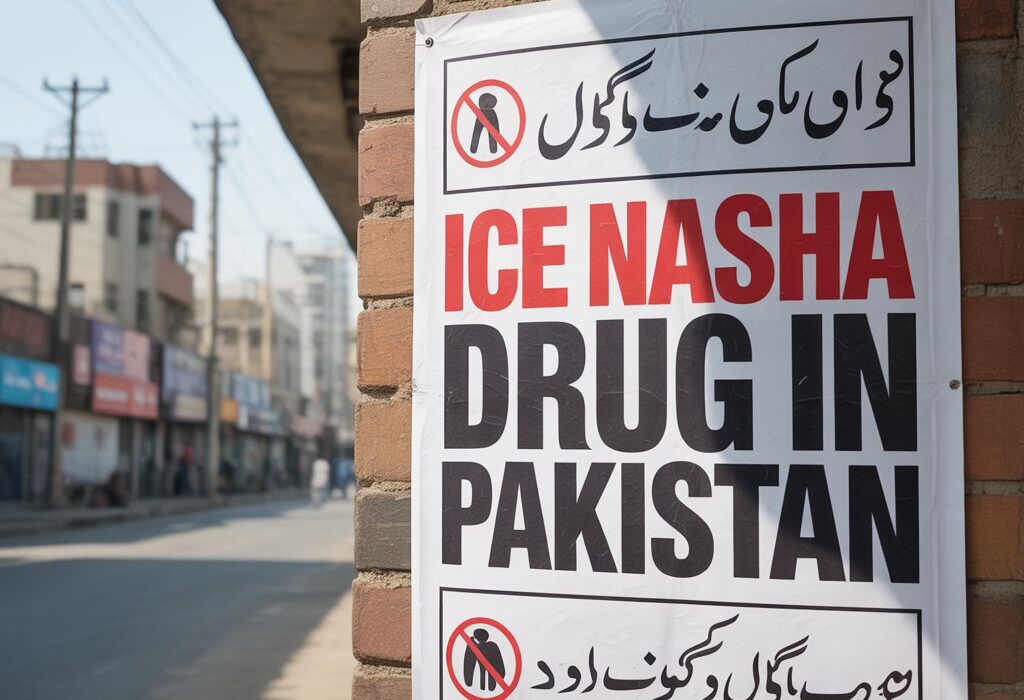
Drug addiction has become one of the most serious health challenges in Pakistan, affecting individuals, families, and communities at a deep level. Among the most dangerous substances, crystal meth has caused severe physical and psychological damage to users in a very short time. The rapid spread of ice nasha has created an urgent need for structured, professional, and compassionate treatment programs that focus on complete recovery rather than temporary relief.
People struggling with this addiction often face intense cravings, emotional instability, sleep disorders, aggression, and isolation. Without proper care, these symptoms worsen and lead to long-term health complications. A trusted rehabilitation center plays a vital role in helping individuals regain control of their lives through medical support, therapy, and a supportive environment.
Understanding the Impact of Ice Addiction on Mind and Body
Ice addiction affects the brain faster than many other substances. It alters dopamine levels, which leads to extreme pleasure initially but causes severe emotional crashes later. Over time, users experience anxiety, paranoia, hallucinations, memory loss, and violent behavior. Physically, the drug damages the heart, lungs, skin, and teeth, often making the person look much older than their age.
In Pakistan, many individuals fall into addiction of ICE NASHA due to peer pressure, stress, unemployment, trauma, or lack of awareness. Once dependency develops, quitting without professional help becomes extremely difficult. This is why early recognition and timely intervention are crucial.
A proper understanding of addiction helps families stop blaming the person and instead focus on recovery. Addiction is not a moral failure; it is a medical and psychological condition that requires structured treatment and long-term support.
Importance of a Professional Ice Nasha Treatment Program
A complete treatment program focuses on both physical detoxification and mental healing. In the early stages, withdrawal symptoms can be intense and even dangerous. These may include severe depression, panic attacks, aggression, and extreme fatigue. Medical supervision ensures the safety of the patient during this phase.
Professional programs also provide counseling, therapy sessions, and behavior modification techniques. The goal is not just to stop drug use but to address the root causes behind addiction. Stress management, emotional regulation, and coping skills are taught so the individual can handle real-life challenges without returning to substance use.
At this stage, the journey away from ice nasha requires patience, consistency, and expert care. Recovery is a process, not a one-time event.
Structured Rehabilitation Process for Long-Term Recovery
A trusted rehabilitation center follows a step-by-step recovery model. The process usually begins with assessment and diagnosis, where doctors and therapists evaluate the physical condition, mental health, and addiction severity of the patient. Based on this evaluation, a personalized treatment plan is created.
Detoxification comes next, where the body clears itself of harmful substances. This phase is closely monitored to manage withdrawal symptoms safely. Once detox is completed, psychological therapies begin. These include individual counseling, group therapy, and cognitive behavioral therapy.
Family involvement is also encouraged. Addiction affects the entire household, and educating family members helps create a supportive recovery environment. In the middle of the rehabilitation journey, patients begin to rediscover their identity, rebuild confidence, and develop healthier habits. This stage is crucial for breaking free from ICE NASHA permanently.
Role of Therapy, Counseling, and Lifestyle Change
Therapy is the backbone of any successful recovery program. Through counseling, patients learn to identify triggers, manage emotions, and replace destructive behaviors with positive ones. Group therapy allows individuals to share experiences and feel understood, reducing feelings of isolation.
Lifestyle changes are equally important. Rehabilitation centers often introduce routines that include proper sleep, healthy meals, physical activity, and mindfulness practices. These habits restore balance to the body and mind. Spiritual support, where appropriate, can also help individuals find purpose and inner strength during recovery.
Vocational guidance and skill-building sessions may be included to prepare patients for life after rehab. When individuals feel productive and hopeful about their future, the chances of relapse decrease significantly.
Aftercare Support and Relapse Prevention
Recovery does not end when the patient leaves the rehabilitation center. Aftercare planning is essential for maintaining long-term sobriety. Follow-up counseling, support groups, and regular check-ins help individuals stay on track.
Relapse prevention strategies teach patients how to handle stress, social pressure, and emotional setbacks. They learn warning signs and coping techniques that protect them during vulnerable moments. A strong aftercare system provides reassurance that help is always available.
Families also receive guidance on how to support their loved ones without enabling harmful behavior. A stable home environment, combined with continued professional support, plays a major role in sustained recovery.
A New Beginning Through Complete Recovery
Addiction may take away health, relationships, and self-respect, but recovery restores them step by step. Every individual deserves a chance to heal and live a meaningful life. Seeking help is not a sign of weakness; it is the first step toward strength and freedom.
A complete treatment program empowers individuals to rediscover hope, reconnect with loved ones, and regain control over their future. With proper guidance, even the most severe addiction can be overcome. Choosing recovery today can open the door to a healthier, drug-free tomorrow, far away from the cycle of ICE NASHA.
FREQUENTLY ASKED QUESTIONS (FAQs)
What is ice addiction and why is it dangerous?
Ice addiction refers to dependency on crystal meth, a highly addictive stimulant that affects the brain and body rapidly. It causes severe mental health issues, physical damage, and behavioral changes if left untreated.
How long does ice addiction treatment take?
Treatment duration varies depending on the individual’s condition. Detox may take a few weeks, while full rehabilitation and aftercare can last several months to ensure stable recovery.
Is treatment confidential in rehabilitation centers?
Yes, trusted rehabilitation centers in Pakistan maintain strict confidentiality to protect patient privacy and dignity throughout the treatment process.
Can family members be involved in treatment?
Family involvement is highly encouraged. Counseling sessions help families understand addiction and support their loved one’s recovery effectively.
Is relapse common after treatment?
Relapse can happen, but proper aftercare, counseling, and lifestyle changes significantly reduce the risk and help individuals stay on the path of recovery.