
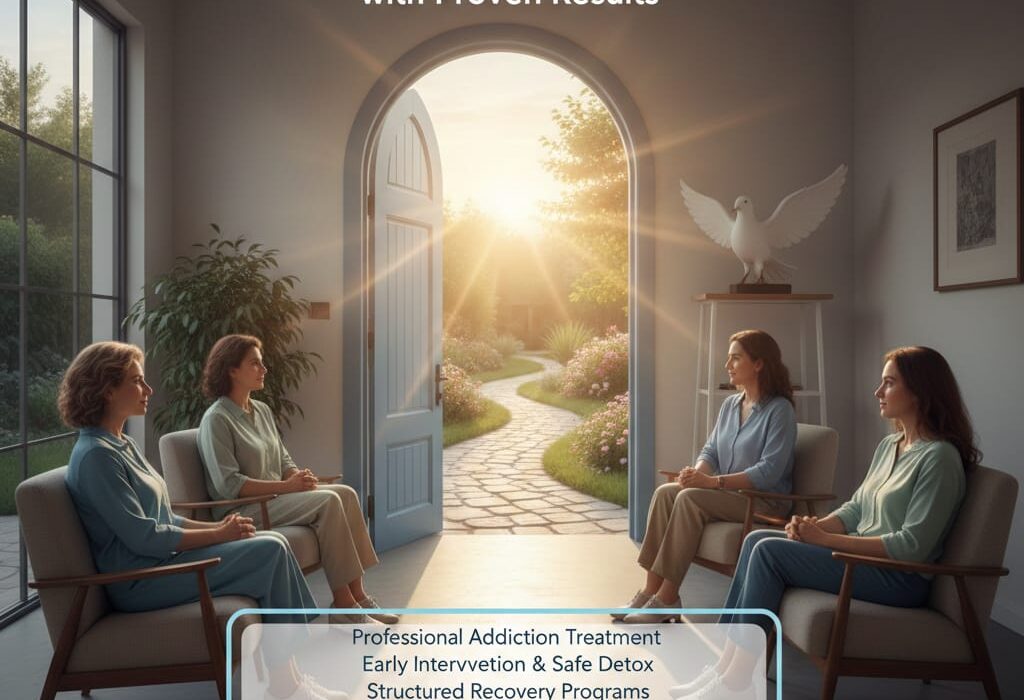
Best Mental Hospital Rawalpindi | Safe & Confidential Treatment
Mental health is just as important as physical health, yet it is often ignored until life feels overwhelming. Stress, anxiety, depression, trauma, and other mental health conditions can affect anyone, regardless of age or background. Getting timely and professional help can change lives, restore hope, and bring balance back into daily living. Choosing the right place for treatment is a major step, especially when you want care that is safe, respectful, and private. A trusted mental hospital Rawalpindi provides a supportive environment where patients can heal with dignity and confidence.
Many people delay treatment because of fear, stigma, or lack of information. Others worry about privacy or whether they will be understood. The truth is that modern mental health facilities focus on compassion, confidentiality, and evidence-based care.
Below is a detailed guide to understanding mental health care, services offered, and what makes a quality mental hospital the right choice for long term recovery.
Understanding Mental Health and Why Professional Care Matters
Mental health includes emotional, psychological, and social well-being. It affects how people think, feel, act, handle stress, relate to others, and make decisions. Mental health problems can develop slowly or appear suddenly after stressful life events such as loss, trauma, or illness.
A reliable MENTAL HOSPITAL RAWALPINDI offers structured treatment plans, trained professionals, and a calm setting that helps patients feel secure from the very first day.
Professional mental health care matters because untreated conditions can worsen over time. Anxiety can turn into panic disorders, low mood can develop into major depression, and untreated psychosis can disrupt personal and professional life. Early diagnosis and treatment reduce the severity of symptoms and improve recovery outcomes.
Professional care also ensures accurate assessment. Many symptoms overlap between different conditions, which makes self-diagnosis risky. Qualified psychiatrists and psychologists use clinical tools and experience to identify the root cause and recommend suitable treatment. This structured approach helps patients avoid unnecessary suffering and confusion.
Most importantly, professional care provides emotional safety. Patients are listened to without judgment and supported through every stage of treatment. This sense of security builds trust, which is essential for healing.
Services Offered at a Modern Mental Hospital
A well-equipped mental hospital provides a wide range of services under one roof. These services are designed to address different mental health needs while maintaining patient comfort and privacy.
Common services include psychiatric evaluation, medication management, individual therapy, group therapy, and family counseling. Some hospitals also offer inpatient care for patients who need close monitoring, as well as outpatient services for those who can continue daily activities alongside treatment.
Therapy options may include cognitive behavioral therapy, supportive counseling, trauma focused therapy, and stress management sessions. These approaches help patients understand their thoughts and emotions, develop coping skills, and improve overall mental resilience.
Medication is prescribed only when necessary and is carefully monitored. The goal is always to achieve balance with the lowest effective dose. Alongside medication, lifestyle guidance such as sleep routines, nutrition awareness, and relaxation techniques is often provided.
Quality mental hospitals also offer specialized programs for depression, anxiety disorders, bipolar disorder, schizophrenia, PTSD, and substance related mental health issues. This ensures that treatment is tailored rather than generic.
The Importance of Safe and Confidential Treatment
Safety and confidentiality are core principles of ethical mental health care. Patients must feel protected, both emotionally and physically, to fully engage in treatment. A professional mental hospital follows strict protocols to ensure patient safety at all times.
Confidentiality means that personal information, medical records, and therapy discussions are kept private. This is crucial in communities where mental health stigma still exists. When patients know their information is secure, they are more open and honest during sessions, which improves treatment outcomes.
A safe environment also includes respectful staff behavior, clean facilities, and proper supervision. Patients are treated with dignity, not labels. Rules and routines are designed to support healing rather than control.
In the middle of the treatment journey, many families realize the true value of choosing a trusted MENTAL HOSPITAL RAWALPINDI that prioritizes privacy and patient rights. This assurance allows families to focus on recovery rather than worry about social judgment or safety concerns.
Role of Experienced Mental Health Professionals
The success of any mental hospital depends largely on the expertise of its team. Psychiatrists, psychologists, therapists, nurses, and support staff each play an important role in patient recovery.
Psychiatrists handle diagnosis and medication management. Their medical training allows them to understand both mental and physical aspects of illness. Psychologists and therapists focus on talk therapy, emotional processing, and behavior change. Nurses provide daily care, monitor progress, and offer emotional support.
Experienced professionals do more than treat symptoms. They listen carefully, build trust, and adjust treatment plans as patients progress. Recovery is not linear, and a good team understands setbacks are part of the process.
Continuous training and ethical practice are signs of a strong mental health team. When professionals stay updated with modern treatment methods, patients benefit from safer and more effective care.
Family Involvement and Long-Term Recovery Support
Mental health recovery does not end with symptom relief. Long term wellness requires ongoing support, understanding, and healthy relationships. Family involvement plays a key role in this process.
Many mental hospitals encourage family counseling sessions. These sessions help families understand the condition, learn how to communicate better, and support their loved one without pressure or misunderstanding. Education reduces fear and replaces it with empathy.
After discharge, follow up care is equally important. Outpatient visits, therapy sessions, and medication reviews help prevent relapse. Patients are guided on how to manage stress, recognize early warning signs, and seek help promptly if needed.
In the final stage of decision making, selecting a reputable MENTAL HOSPITAL RAWALPINDI ensures access to professional care, confidentiality, and long-term support. The right hospital does not just treat illness; it helps people rebuild their lives with confidence and hope. Mental health recovery is possible, and taking the first step toward professional care is a powerful move toward a healthier future.
FREQUENTLY ASKED QUESTIONS (FAQs)
Is mental health treatment confidential?
Yes. Professional mental hospitals follow strict confidentiality policies to protect patient privacy.
Do patients need admission for treatment?
Not always. Many conditions can be treated through outpatient services, while severe cases may require short term inpatient care.
How long does treatment usually last?
Treatment duration varies depending on the condition, severity, and individual response. Some people improve in weeks, others need longer support.
Can family members be involved in treatment?
Yes. Family counseling and education are often encouraged to support recovery.
Is medication always required?
No. Medication is prescribed only when necessary and is often combined with therapy for best results.