Understanding Ice Nasha and Its Impact on Mental Health
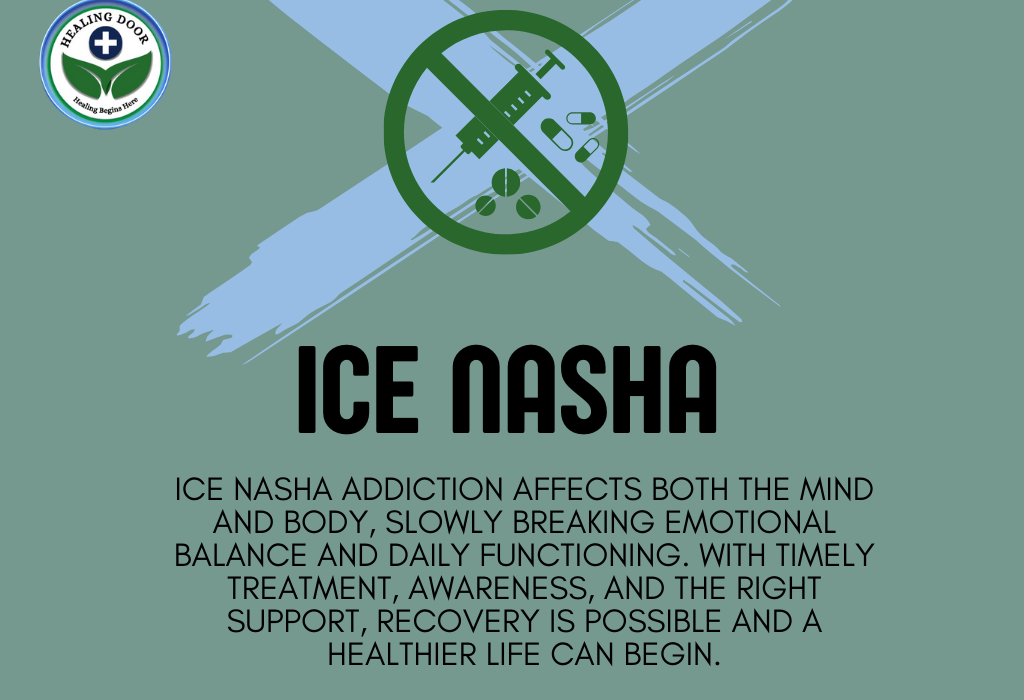
Drug addiction does not begin overnight, and it rarely affects only the body. It slowly changes thinking, emotions, and behavior. Ice nasha is one such substance that has caused serious harm to mental health, families, and communities. Often seen as a short-term escape or energy booster, it quietly damages the brain and emotional balance. Many people do not realize how deeply it can affect thoughts, moods, and daily functioning until the damage becomes hard to reverse.
In many cases, ice nasha use starts due to stress, peer pressure, curiosity, or the desire to stay awake and alert. What begins as occasional use can quickly turn into dependence. Over time, the drug takes control of decision-making, weakens emotional stability, and increases the risk of severe mental health disorders. Understanding how this addiction works is the first step toward prevention and recovery.
What Is Ice and Why People Start Using It
ICE NASHA is a powerful synthetic stimulant that affects the central nervous system. It increases alertness, energy, and confidence for a short period. People may feel talkative, focused, or emotionally uplifted at first. This initial effect is often what pulls users back repeatedly.
Many individuals start using ice due to emotional pain, academic pressure, work stress, or social influence. Some believe it helps them stay productive or cope with anxiety. Unfortunately, the relief is temporary. Once the effects wear off, users often feel empty, irritated, or depressed, which pushes them toward repeated use.
The drug also creates a strong psychological attachment. The brain begins to rely on it to feel normal or happy. This is where mental health problems quietly begin. Instead of solving issues, ice use adds another layer of emotional and psychological struggle.
How Ice Affects the Brain and Emotional Control
Ice directly impacts brain chemicals responsible for pleasure, motivation, and mood. It releases a large amount of dopamine, creating intense feelings of happiness and energy. Over time, the brain reduces its natural dopamine production, making it difficult to feel joy without the drug.
As emotional balance weakens, users may experience mood swings, anger, panic, or emotional numbness. Small problems can trigger extreme reactions. Many people also struggle with sleep, concentration, and memory loss. These changes affect daily life, relationships, and self-esteem.
Long-term use can alter brain structure. Decision-making becomes poor, impulse control weakens, and emotional responses become unpredictable. This makes quitting even harder, as the brain craves the drug to function.
Mental Health Conditions Linked to Ice Use
Prolonged use of ICE NASHA is strongly linked to serious mental health conditions. Anxiety disorders, depression, paranoia, and hallucinations are common. Some users hear voices, feel watched, or develop false beliefs that others are trying to harm them.
In severe cases, ice use can trigger psychosis. This state can resemble schizophrenia, even in people with no prior mental illness. The individual may lose touch with reality, experience confusion, and behave in ways that put themselves or others at risk.
These mental health effects may continue even after stopping the drug, especially if use was long-term. Early treatment is critical. Without professional help, symptoms can worsen and become long-lasting, making recovery more difficult.
Social and Family Impact of Ice Addiction
The effects of ice addiction are not limited to the individual. Families often experience emotional pain, confusion, and fear. Trust breaks down as behavior changes. Users may become isolated, aggressive, or dishonest, leading to damaged relationships.
Social life also suffers. Many individuals lose interest in work, studies, or healthy activities. Financial problems may arise due to spending on drugs or job loss. Shame and guilt often follow, pushing the person further into isolation.
Children in affected families may experience emotional neglect or trauma. This creates a cycle where mental health issues pass from one generation to the next. Addressing addiction early can protect not only the user but also their loved ones.
Treatment and Recovery Options
Recovery from ice addiction is possible, but it requires time, patience, and support. Treatment often starts with detox to manage withdrawal symptoms safely. This phase can be emotionally and physically challenging, which is why medical supervision is important.
After detox, therapy plays a key role. Counseling helps individuals understand why they started using, how it affected their mental health, and how to cope without substances. Cognitive behavioral therapy, group support, and family counseling are commonly used.
Mental health treatment is equally important. Depression, anxiety, or psychosis must be addressed alongside addiction. A supportive environment, routine, and long-term follow-up increase the chances of lasting recovery. With the right help, individuals can rebuild their lives and regain emotional stability.
Addiction is not a weakness, and recovery is not impossible. Understanding the mental health impact of ICE NASHA helps reduce stigma and encourages timely support. With awareness, professional care, and strong emotional backing, individuals can break free from addiction and move toward a healthier, more stable life.
Frequently Asked Questions (FAQs)
What makes ice addiction different from other drugs?
Ice has a strong effect on the brain’s reward system, making psychological dependence develop very quickly compared to many other substances.
Can mental health problems caused by ice be reversed?
Some symptoms improve with treatment and time, while others may need long-term mental health care. Early intervention gives better outcomes.
Is relapse common during recovery?
Relapse can happen, but it does not mean failure. It often shows that treatment needs adjustment or additional support.
Can family support really help recovery?
Yes. Emotional support, understanding, and involvement in therapy can greatly improve recovery chances.
When should professional help be sought?
As soon as behavioral changes, mood issues, or dependence are noticed. Early help prevents severe mental damage.