Drug Abuse Centers Offering Proven Treatment & Aftercare Support
Drug abuse is a growing concern that affects individuals, families, and entire communities. What often begins as experimentation or recreational use can slowly turn into dependency, making it difficult for a person to function normally without substances. Drug abuse impacts physical health, mental stability, relationships, education, and work life. Seeking help from a professional drug abuse center at the right time can prevent serious long-term damage and even save lives.
Many people avoid treatment because they believe they can quit on their own. Unfortunately, addiction changes how the brain works, making self-control extremely difficult without professional support. Drug abuse is not a lack of willpower; it is a medical and psychological condition that requires proper care. Rehab centers provide a structured, supportive environment where individuals can focus fully on recovery without daily triggers.
A reliable drug abuse center offers more than just stopping drug use. It helps people understand why they became dependent, teaches healthier coping skills, and supports them in building a stable and drug-free future. Early treatment leads to better outcomes and a higher chance of long-term recovery.
Signs That a Drug Abuse Center Is Needed
Recognizing the signs of drug abuse is an important step toward recovery. Many individuals hide their addiction, making it harder for family members to notice until the problem becomes severe. Common signs include frequent mood swings, isolation, lying, financial problems, loss of interest in daily activities, and neglect of responsibilities.
Physical signs may include weight loss, poor hygiene, sleep disturbances, bloodshot eyes, and unexplained health issues. Emotional symptoms such as anxiety, depression, anger, and paranoia are also common. When drug use begins to control a person’s thoughts and actions, professional help from a DRUG ABUSE CENTER becomes necessary.
Another major warning sign is repeated failed attempts to quit. Many individuals promise themselves or their families that they will stop but relapse shortly after. This cycle can be frustrating and emotionally draining. Rehab centers break this pattern by addressing both physical dependence and psychological triggers. Seeking help early reduces health risks and improves recovery success.
Medical Detox and Safe Stabilization Process
The first phase of treatment in most drug abuse centers is detoxification. Detox is the process of clearing drugs from the body while managing withdrawal symptoms safely. Withdrawal can be uncomfortable and sometimes dangerous, depending on the substance used and the length of addiction. Symptoms may include nausea, sweating, anxiety, insomnia, body pain, and intense cravings.
In a professional rehab setting, detox is supervised by trained medical staff who monitor the patient’s condition around the clock. Medications may be provided to reduce discomfort and prevent complications. This medical support makes detox safer and more manageable than attempting to quit alone.
Detox alone is not enough for recovery, but it is a crucial first step. Once the body stabilizes, the individual is better prepared mentally and physically for therapy and counseling. Completing detox in a structured environment reduces the risk of immediate relapse and builds confidence to continue treatment.
Therapy and Counseling for Lasting Recovery
After detox, treatment focuses on understanding the root causes of addiction. Therapy is a core part of recovery because it helps individuals change unhealthy thought patterns and behaviors. Individual counseling allows patients to explore personal struggles such as trauma, stress, peer pressure, or emotional pain that led to drug use.
In the middle of the recovery journey, group therapy plays an important role. Sharing experiences with others facing similar challenges creates a sense of understanding and support. This stage of treatment within a DRUG ABUSE CENTER helps individuals feel less alone and more motivated to continue their recovery.
Behavioral therapies teach practical skills for handling cravings, avoiding triggers, and managing emotions without drugs. Family therapy is also highly beneficial, as addiction often damages trust and communication. Rebuilding relationships strengthens the support system that is essential for long-term sobriety.
Holistic Care and Life Skills Development
Effective drug abuse treatment goes beyond therapy sessions. Holistic care focuses on healing the whole person, including physical health, mental well-being, and daily lifestyle. Long-term drug use often weakens the body, so nutrition support helps restore strength and energy. Balanced meals and proper hydration are essential parts of recovery.
Physical activities such as exercise, meditation, and relaxation techniques help reduce stress and improve mood naturally. These healthy habits replace drug use as coping mechanisms. Learning how to manage stress without substances is critical for preventing relapse.
Life skills training prepares individuals for life after rehab. This may include improving communication, managing time, handling finances, and setting realistic goals. Many people struggling with addiction loses confidence and direction. Rehab programs help rebuild self-esteem and independence, making it easier to reintegrate into society.
Aftercare Support and a Drug-Free Future
Recovery does not end when a rehab program is completed. Long-term success depends heavily on aftercare support. Aftercare includes follow-up counseling, support groups, relapse prevention plans, and regular check-ins with treatment professionals. This ongoing guidance helps individuals stay focused and accountable.
A trusted rehab program prepares patients for real-world challenges, such as stress, social pressure, and emotional triggers. Learning how to handle these situations without drugs is key to lasting recovery. Even if setbacks occur, aftercare support helps individuals get back on track quickly.
Choosing a reliable DRUG ABUSE CENTER with strong aftercare services increases the chances of maintaining sobriety and building a healthier future. Recovery is a continuous journey, but with the right support, individuals can regain control, rebuild relationships, and live a meaningful, drug-free life.
Frequently Asked Questions (FAQs)
What services do drug abuse centers provide?
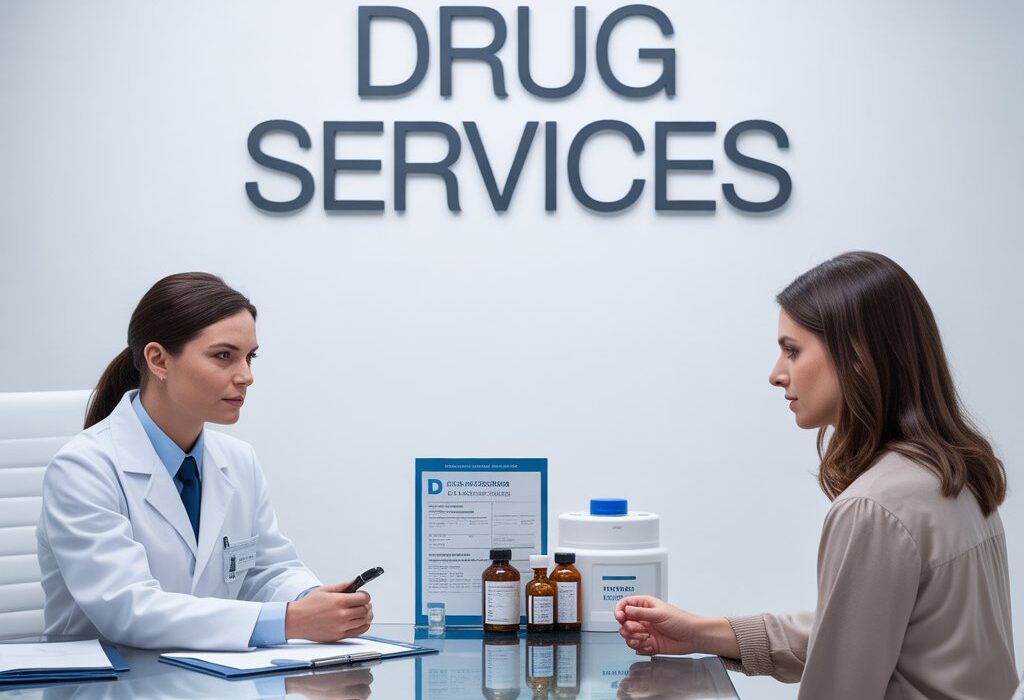
Drug abuse centers offer detox, counselling, therapy, medical support, and aftercare programs to help individuals recover from addiction.
How long does drug abuse treatment take?
Treatment duration varies depending on the severity of addiction and individual needs. Programs may last from a few weeks to several months, followed by aftercare.
Is detox painful or dangerous?
Withdrawal can be uncomfortable, but medical supervision in a rehab center ensures safety and reduces risks.
Can family members be involved in treatment?
Yes, family therapy and education are often included to improve understanding and support recovery.
What happens after completing treatment?
After treatment, aftercare services help maintain sobriety through counselling, support groups, and relapse prevention planning.