Medical Assistance and Therapy to Help Cope with Bipolar Disorder
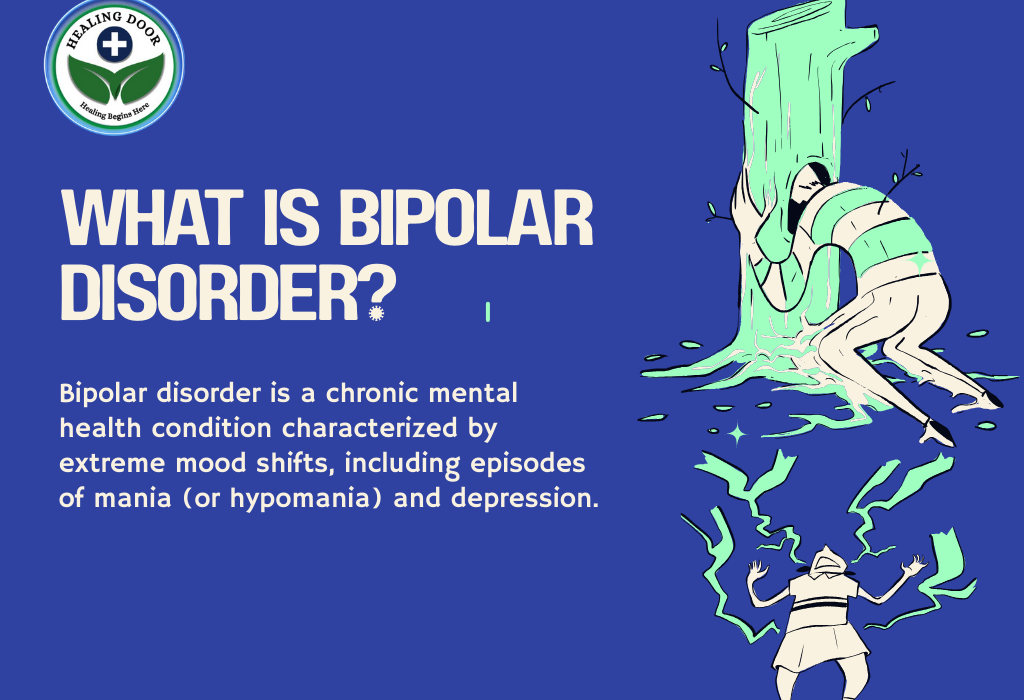
Experiencing emotional highs and lows regularly and uncontrollably is a challenge for all. It has an impact on almost all aspects of your life – friend and family relationships, at work or school, sleeping patterns, and confidence. Bipolar disorder refers to an extreme version (or the most serious) of those experiences. Bipolar disorder is characterized by mood swings between extreme highs and lows (usually at least a week apart) making it more difficult to cope with than common mood swings. With medical and therapeutic assistance, individuals living with bipolar disorder can find balance, manage their emotions, and live fulfilling lives.
Managing bipolar disorder is not about “fixing” someone. It is about learning about how one’s mind functions with regards to bipolar disorder, recognizing early signs of mood fluctuations, and establishing and maintaining the support of those who can help provide emotional support as an individual recovers. Medical treatment and therapy will work together to help both manage the symptoms of bipolar disorder and keep the individual from relapsing into a state of bipolar disorder again.
Daily Challenges of Episodes and Mood
An In-Depth Understanding of Mood Episodes and Daily Challenges to Help Manage the Illness. A better understanding of the patterns of Mood Episodes, as well as how they affect you daily, is important in learning how to best manage the Illness. Mood Episodes are classified as either (a) Manic or Hypomanic Episodes, or (b) Depressive Episodes.
People going through a manic phase are generally more energetic than usual, overly confident, and restless. Sleep patterns may have decreased significantly, with racing thoughts and impulsive decision-making. Although the manic energy may seem positive at first, it can rapidly lead to poor judgment and increased stress on the relationships of the individual, as well as exhaustion.
BIPOLAR DISORDER can also make these shifts unpredictable, as well. In the absence of appropriate treatment and care, mood changes can have a significant impact on one’s education, career, family life, and emotional/psychological state. Understanding the patterns of mood episodes will enable you and your family to identify possible triggers early and obtain help before Medication Symptoms develop into serious conditions.
Stability Through Medical Treatment
Long-term treatment frequently requires the foundation of medication. Medication will not define who a person is, but medication’s function is to help stabilize mood swings and prevent extremes in both directions through the appropriate dosage prescribed by a doctor based on the patient’s individual symptoms and treatment history. Doctors typically prescribe mood stabilizing medications based on the results, frequency and severity of the affected mood episodes. Antidepressants or antipsychotic medications may also be prescribed alongside mood stabilizing medications; however, this would be done under strict supervision by a doctor. The goal of a prescription medication for a mood disorder is not to sedate but to stabilize the patient’s mood.
Finding the right medication may take time. The dosage amounts of prescriptions will often need to be adjusted. Side effects related to medication will also require monitoring. An essential component in the management of mood disorders is the follow-up visits with the psychiatrist. If a patient suddenly stops their medication or changes their dosage amount without speaking with their doctor first, the patient could experience dangerous mood episodes.
How Therapy Is Used in Long-Term Management of Mood Disorders
Therapy may enhance the medical treatment of mood disorders through additional means of skills development and insight into the causes of one’s difficulties. Medication works on the chemistry that is causing the issue, whereas therapy works with your thoughts, behaviours and emotions, and teaches you how to cope with the disorder rather than allowing the disorder to control your life.
Cognitive Behavioural Therapy allows individuals to recognise negative thought patterns, which can then be changed to positive thought patterns. CBT is particularly beneficial during depressive states when an individual may experience increased feelings of self-doubt and hopelessness.
Interpersonal and Social Rhythm Therapy focuses on a person’s daily cycle of routines, including sleep, eating, and engagement in regular levels of activity. The regularity of these daily routines reduces the individual’s likelihood of experiencing mood fluctuations.
Balanced Lifestyle and Emotional Awareness
Daily habits play a decisive role in regulating a person’s mood. Over time, small daily habit repeats either create stability within an individual or increases the chances for an individual to experience an episode. One of the biggest contributors to mood regulation is sleep and being able to maintain a consistent time for going to bed and waking up is an important way to improve mood regulation by having a regular sleep routine.
Nutrition and physical fitness also play a significant role in regulating mood. Meals that balance the person’s body using food types help to maintain energy level regulation. Gentle forms of physical activity also help reduce levels of stress and increase the individual’s emotional resilience. Individuals also need to be aware of substance usage, including alcohol and other recreational substances, which can interfere with medication and worsen symptoms, so part of the self-care process is to avoid substance usage.
Stress management is another crucial component of effective mood regulation. Using mindfulness, writing in a journal, breathing exercises, or creating a creative activity that allows an individual to express emotional tension, learn to identify the signs a person may be experiencing early signs of an episode (sleep pattern changes, energy changes, changes in thinking patterns), so early intervention can occur before the full blown episode occurs.
An important element of working towards this awareness in the process is to view BIPOLAR DISORDER as a long-term condition that will require care and will not be something that will only require treatment during certain periods of the individual’s life. This will help the person remain motivated in getting treatment when setbacks occur and view setbacks as a learning experience rather than seeing them as failures.
Creating a Support System to Eliminate Stigma about Mental Health
Mental illness needs not to face its full power on their own; the support system offers emotional strength, physical assistance and encouragement through very difficult times; from family/friends/health care providers/peer support groups, supports every kind of help is usually available for someone.
The best way for other family members and/or friends of a person who is struggling with their mental health (or other forms of mental illness) to understand how to offer that support is to communicate openly to them. The types of support are usually things such as reminding to take care of yourself, encourage to go to treatment, listen without judgement etc.
Support groups provide opportunities for people to connect with other people who can relate to and understand exactly what a person with mental illness is facing. This creates an environment of hope as well as a feeling of connection and validation that can be commonly lost to isolation, fear and shame.
Stigma has been a significant barrier for many people because of feelings of shame and fear of seeking help in a timely manner. Education is a powerful tool to alter this narrative of stigma. Once the public views mental health the same way it views physical health; the stigma returns to the person.
Living a Full Life with Ongoing Care
Managing this condition is a long-term process, not a one-time fix. Progress is rarely linear. There may be periods of stability followed by challenges, but each phase offers opportunities to learn and grow.
With consistent medical care, therapy, healthy routines, and strong support, many people build successful careers, maintain meaningful relationships, and pursue personal goals. Self-compassion is essential. Rest, reflection, and asking for help are strengths, not weaknesses.
Living well with BIPOLAR DISORDER means accepting support, staying informed, and honoring mental health needs just as seriously as physical ones. With the right tools and guidance, stability and fulfilment are possible.
Frequently Asked Questions (FAQs)
Is bipolar disorder curable?
There is no permanent cure, but it is highly manageable. With proper treatment and lifestyle care, many people experience long periods of stability.
Do medications have to be taken forever?
Some people need long-term medication, while others adjust treatment over time. Any changes should always be made with a doctor’s guidance.
Can therapy alone manage bipolar disorder?
Therapy is very helpful, but most people benefit from a combination of medication and therapy rather than therapy alone.
How can family members help?
By learning about the condition, offering emotional support, encouraging treatment adherence, and watching for early warning signs.
Is it possible to live a normal life with this condition?
Yes. With consistent care and support, many people lead full, productive, and satisfying lives.