
Professional Schizophrenia Treatment Center for Mental Recovery
Schizophrenia is a serious mental health condition that affects how a person thinks, feels, and behaves. It can make it difficult to understand reality, manage emotions, and maintain relationships. Many individuals and families feel confused or scared when symptoms first appear, which is why early support from a schizophrenia treatment center is so important. With proper care, people living with schizophrenia can achieve stability and improve their quality of life.
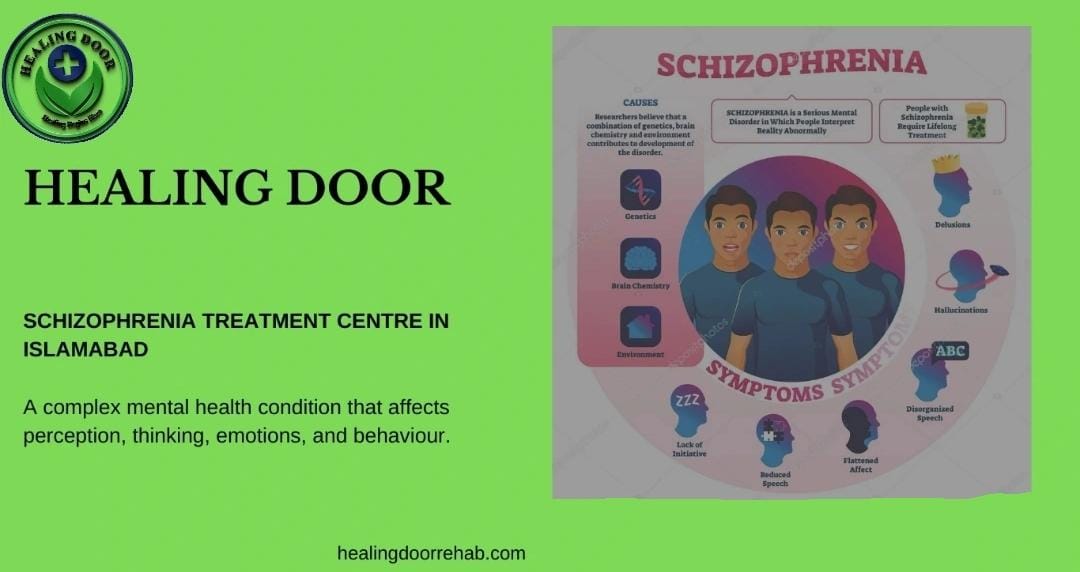
This condition often begins in late adolescence or early adulthood, though it can appear later as well. Symptoms may develop slowly or suddenly. Some people experience hallucinations, such as hearing voices or seeing things that are not there. Others struggle with delusions, which are strong beliefs that do not match reality. Disorganized thinking, trouble speaking clearly, and difficulty focusing are also common.
Schizophrenia does not only affect the individual. Families, caregivers, and loved ones are also impacted. Daily routines, work life, and social connections may suffer. Misunderstanding and stigma can make the situation harder. Many people wrongly believe schizophrenia means a person cannot recover or live independently. This is not true. With professional treatment, education, and ongoing support, recovery is possible.
Understanding the condition is the first step toward healing. When schizophrenia is treated as a medical and psychological condition rather than a personal failure, individuals are more likely to seek help and stay engaged in treatment. Compassion, patience, and professional guidance lay the foundation for long term mental recovery.
Common Symptoms and When to Seek Professional Help
Schizophrenia symptoms are usually grouped into positive, negative, and cognitive categories. Positive symptoms are experiences added to normal behavior, such as hallucinations and delusions. These can be frightening and may cause individuals to feel suspicious or unsafe, even in familiar environments.
Negative symptoms involve a loss of normal abilities or motivation. A person may withdraw from social interaction, show little emotion, or struggle with basic daily activities. They may lose interest in hobbies, neglect personal hygiene, or seem emotionally flat. These symptoms often last longer and can be misunderstood as laziness or depression.
Cognitive symptoms affect thinking and memory. People may have trouble concentrating, remembering information, or making decisions. This can interfere with education, work, and independent living. Even simple tasks may feel overwhelming.
It is important to seek help when symptoms begin to affect daily life, relationships, or safety. Early intervention greatly improves outcomes. A professional SCHIZOPHRENIA TREATMENT CENTER can provide proper diagnosis, structured care, and personalized treatment plans. Delaying treatment may lead to worsening symptoms and increased distress for both the individual and their family.
Recognizing warning signs such as social withdrawal, unusual thoughts, sleep disturbances, or sudden changes in behavior allows families to act sooner. Mental health professionals are trained to assess these symptoms and guide individuals toward stability and recovery.
The Importance of Long Term and Holistic Care
Schizophrenia is typically a long-term condition, which means consistent care is essential. Short term treatment may reduce symptoms, but lasting recovery requires ongoing support. A holistic approach looks beyond symptoms and addresses the whole person.
Mental health is closely connected to physical health. Proper sleep, nutrition, and exercise can significantly affect mood and cognitive functioning. Many treatment centers include wellness activities that promote physical strength and emotional balance.
Stress management is another key factor. Stress can trigger symptom flare ups, so learning healthy coping strategies is vital. Mindfulness, relaxation exercises, and structured routines help individuals feel more grounded and in control.
Social connection also plays a major role in recovery. Isolation can worsen symptoms, while positive relationships support emotional healing. Treatment centers encourage healthy social interaction through group activities and peer support.
Education empowers both individuals and families. Understanding schizophrenia reduces fear and stigma. When people know what to expect and how to respond to symptoms, they feel more confident and hopeful. Holistic care recognizes that recovery is not just about reducing symptoms but about creating a meaningful and stable life.
How Professional Schizophrenia Treatment Centers Work
A schizophrenia treatment center offers a structured and supportive environment designed specifically for individuals living with this condition. Treatment is not limited to managing symptoms. It focuses on improving overall functioning, emotional balance, and long-term independence.
The process usually begins with a comprehensive assessment. Mental health professionals evaluate symptoms, medical history, lifestyle, and personal challenges. This helps create an individualized treatment plan that addresses both mental and physical health needs.
Medication management plays a key role in treatment. Antipsychotic medications help reduce hallucinations, delusions, and disorganized thinking. Doctors closely monitor progress and adjust medications to minimize side effects while maximizing benefits. Medication alone is not enough, which is why therapy and psychosocial support are also essential.
Therapeutic interventions may include individual therapy, group therapy, and family counseling. Therapy helps individuals understand their condition, cope with stress, and develop healthy thinking patterns. Family involvement improves communication and reduces misunderstandings at home.
Rehabilitation services are another important part of treatment. These may include life skills training, vocational support, and social skills development. The goal is to help individuals function confidently in daily life. In the middle stages of care, a SCHIZOPHRENIA TREATMENT CENTER becomes a place not just for symptom control, but for rebuilding confidence and purpose.
Family Support and Community Reintegration
Family involvement is one of the strongest predictors of positive outcomes in schizophrenia recovery. Loved ones often want to help but may feel overwhelmed or unsure how to do so. Treatment centers provide education and counseling to guide families through this process.
Family therapy helps improve communication and reduce conflict. It teaches relatives how to recognize early warning signs, support medication adherence, and respond calmly during difficult moments. This creates a safer and more supportive home environment.
Community reintegration is another important goal. Many individuals with schizophrenia want to return to work, school, or social activities. Treatment programs often include vocational training and educational support to help individuals regain independence at their own pace.
Reducing stigma in the community is essential. When society becomes more understanding, individuals feel less ashamed and more willing to seek help. Peer support groups and awareness programs promote acceptance and connection.
Recovery does not mean living without challenges. It means learning how to manage them effectively with the right support system. With encouragement from family, professionals, and the community, individuals can build fulfilling lives beyond their diagnosis.
Building a Stable Future Through Ongoing Treatment
Long term recovery from schizophrenia is a gradual process that requires patience and commitment. Progress may come in small steps, but each step matters. Ongoing treatment helps maintain stability and prevents relapse.
Regular follow ups with mental health professionals ensure that treatment plans remain effective. As life circumstances change, care strategies may need adjustment. Continued therapy reinforces coping skills and emotional resilience.
Self-awareness grows over time. Individuals learn to recognize triggers, manage stress, and seek help when needed. This sense of control builds confidence and independence. Many people with schizophrenia go on to maintain relationships, pursue careers, and enjoy meaningful activities.
Choosing a professional SCHIZOPHRENIA TREATMENT CENTER is an investment in long term mental wellness. In the final stages of recovery, individuals often feel more connected to themselves and the world around them. While schizophrenia may remain part of their life story, it does not have to define their future. With proper care, understanding, and support, mental recovery is truly achievable.
FREQUENTLY ASKED QUESTIONS (FAQs)
What is the main goal of schizophrenia treatment?
The main goal is to reduce symptoms, improve daily functioning, and help individuals live stable and meaningful lives.
Is schizophrenia completely curable?
There is no complete cure, but many people manage symptoms successfully with ongoing treatment and support.
How long does treatment usually last?
Schizophrenia treatment is often long term. The duration depends on symptom severity and individual needs.
Can people with schizophrenia live independently?
Yes, many individuals live independently with proper treatment, support, and skill development.
Why is family involvement important in treatment?
Family support improves communication, reduces relapse risk, and creates a more stable recovery environment.