
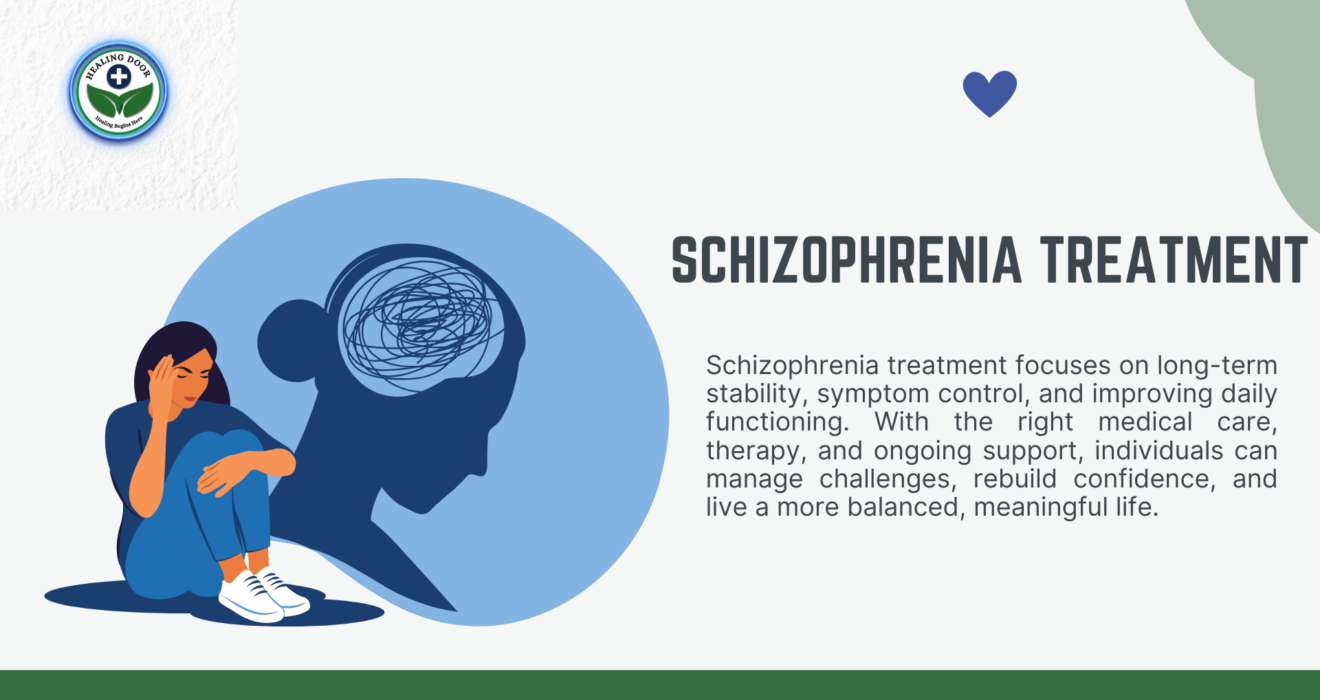
Schizophrenia Treatment Options for Long-Term Mental Health Recovery
Schizophrenia is a serious mental health condition that affects how a person thinks, feels, and behaves. People living with this condition may experience hallucinations, delusions, confused thinking, and emotional withdrawal. While schizophrenia can feel overwhelming for both patients and families, the good news is that recovery is possible with the right care and support. Schizophrenia treatment focuses on managing symptoms, improving daily functioning, and helping individuals live meaningful and stable lives over the long term.
Early understanding and proper care play a major role in long-term recovery. Schizophrenia treatment is not a one-size-fits-all solution. Each person’s journey is different, and treatment plans are designed based on symptoms, lifestyle, and support systems. With consistent medical help, therapy, and family involvement, many people with schizophrenia can achieve stability and improved quality of life.
Medical Approaches and Medication Management
Medication is a cornerstone of SCHIZOPHRENIA TREATMENT. Antipsychotic medicines help reduce hallucinations, delusions, and disorganized thinking. These medications work by balancing chemicals in the brain, especially dopamine, which plays a key role in schizophrenia symptoms.
There are two main types of antipsychotic medications: typical and atypical. Atypical antipsychotics are more commonly used today because they tend to have fewer side effects. However, medication choice depends on the individual’s symptoms, response, and overall health. Doctors often start with a low dose and adjust it over time to find the most effective balance.
Medication management requires patience. Some people may experience side effects such as drowsiness, weight gain, or restlessness. Regular follow-ups with a psychiatrist help address these concerns and make necessary adjustments. It is important not to stop medication suddenly, as this can lead to symptom relapse.
Long-term recovery depends on consistency. Taking medication as prescribed, even when symptoms improve, helps prevent future episodes. When combined with therapy and lifestyle support, medical treatment provides a strong foundation for stability and recovery.
Understanding Schizophrenia and Its Impact on Daily Life
Schizophrenia usually develops in late adolescence or early adulthood, though it can appear later in life as well. It affects both men and women and can interfere with work, relationships, and self-care. Symptoms are often grouped into three main types: positive symptoms, negative symptoms, and cognitive symptoms.
Positive symptoms include hallucinations, such as hearing voices, and delusions, which are strong beliefs not based in reality. Negative symptoms involve loss of motivation, reduced emotional expression, and social withdrawal. Cognitive symptoms affect memory, attention, and decision-making. Together, these symptoms can make everyday life challenging.
Living with schizophrenia can feel isolating. Many individuals struggle with stigma, misunderstanding, and fear of judgment. Families may also feel confused or helpless when trying to support their loved ones. Understanding the condition is the first step toward compassion and effective care. When schizophrenia is recognized early and managed properly, long-term outcomes improve significantly.
Daily life with schizophrenia often requires structure and support. Simple routines, medication adherence, and regular therapy sessions can make a big difference. With the right approach, people with schizophrenia can learn to manage symptoms, maintain relationships, and pursue personal goals.
Therapy and Counseling for Emotional and Social Stability
While medication helps control symptoms, therapy addresses the emotional and social aspects of schizophrenia. Psychotherapy provides a safe space for individuals to understand their experiences, manage stress, and build coping skills.
Cognitive Behavioral Therapy, or CBT, is commonly used to help people recognize and challenge unhealthy thought patterns. It can reduce distress caused by hallucinations and delusions and improve problem-solving skills. Therapy also helps individuals set realistic goals and work toward independence.
Family therapy is another important component. Schizophrenia affects not just the individual but the entire family. Counseling sessions educate family members about the condition and teach communication and support strategies. A supportive home environment reduces stress and lowers the risk of relapse.
Group therapy and peer support programs help individuals feel less alone. Sharing experiences with others facing similar challenges builds confidence and social skills. These therapeutic approaches work together to support emotional balance and long-term recovery.
Rehabilitation Programs and Skill Development
Rehabilitation focuses on helping individuals regain skills needed for daily living, work, and social interaction. Many people with schizophrenia struggle with maintaining routines, managing finances, or holding a job. Rehabilitation programs address these challenges step by step.
Vocational training helps individuals develop job-related skills and find suitable employment. Supported employment programs offer guidance and flexibility, allowing people to work at their own pace. Employment not only provides financial independence but also boosts self-esteem and purpose.
Social skills training teaches effective communication, conflict resolution, and relationship-building. These skills are essential for forming friendships and maintaining family connections. Life skills training covers basic tasks such as cooking, hygiene, and time management.
In the middle of long-term recovery plans, SCHIZOPHRENIA TREATMENT often includes rehabilitation services to ensure individuals can function independently. These programs emphasize strengths rather than limitations, empowering people to take control of their lives.
Lifestyle Support and Community-Based Care
Lifestyle choices play an important role in mental health recovery. A balanced diet, regular exercise, and proper sleep help support brain health and emotional stability. Avoiding substance use is especially important, as drugs and alcohol can worsen symptoms and interfere with medication.
Community-based care brings treatment closer to home. Outpatient clinics, community mental health centers, and home-based services provide ongoing support without requiring long hospital stays. This approach helps individuals stay connected to their families and communities.
Support groups and community programs reduce isolation and stigma. They offer education, encouragement, and practical advice for managing daily challenges. Community involvement helps individuals feel valued and understood.
Routine monitoring and follow-up ensure that treatment remains effective over time. When lifestyle support is combined with medical and therapeutic care, long-term recovery becomes more achievable.
Hope, Recovery, and Long-Term Outlook
Schizophrenia is a lifelong condition, but it does not mean a life without hope. Many individuals achieve stability, pursue education or careers, and build meaningful relationships. Recovery is not about eliminating every symptom but about living a fulfilling life despite challenges.
Long-term success depends on early intervention, consistent care, and strong support systems. Patients, families, and healthcare providers work together to adjust treatment plans as needed. Progress may be slow at times, but small improvements add up over the years.
Education and awareness reduce stigma and encourage people to seek help without fear. Society plays a role by offering acceptance, employment opportunities, and community support.
In the final stages of recovery planning, SCHIZOPHRENIA TREATMENT continues to focus on maintaining stability, preventing relapse, and supporting personal growth. With patience, understanding, and proper care, long-term mental health recovery is possible.
FREQUENTLY ASKED QUESTIONS (FAQs)
What is schizophrenia?
Schizophrenia is a chronic mental health condition that affects thinking, emotions, and behavior, often causing hallucinations, delusions, and social withdrawal.
Can schizophrenia be cured completely?
There is no complete cure, but symptoms can be managed effectively with medication, therapy, and long-term support.
How long does treatment take?
Treatment is usually lifelong, but many people experience significant improvement and stability over time with consistent care.
Is medication always necessary?
Medication is a key part of treatment for most people, especially to control severe symptoms, but it works best when combined with therapy and lifestyle support.
Can people with schizophrenia live normal lives?
Yes, many individuals live productive and meaningful lives with the right treatment, support, and understanding from family and community.

1 Comment
Very good i like it