Schizophrenia Treatment in Islamabad, Pakistan
• Schizophrenia is a brain disorder, not a personality problem. It is not “split personality”, not caused by bad parenting, and not a spiritual punishment. • It is treatable. Medication combined with therapy and family support works far better than medication alone. This is the international standard of care. • Early treatment changes the outcome. The longer psychosis goes untreated, the harder recovery becomes. • Stopping medication is the main cause of relapse. Our treatment plans are built to keep patients on track, not just to write a prescription.
Facing a first episode or a relapse? Start with an assessment.
Key Takeaways
- Schizophrenia is a brain disorder, not a personality problem. It is not “split personality”, not caused by bad parenting, and not a spiritual punishment.
- It is treatable. Medication combined with therapy and family support works far better than medication alone. This is the international standard of care.
- Early treatment changes the outcome. The longer psychosis goes untreated, the harder recovery becomes.
- Stopping medication is the main cause of relapse. Our treatment plans are built to keep patients on track, not just to write a prescription.
Schizophrenia treatment at Healing Door Rehab & Psychiatric Center, Bani Gala, Islamabad, is led by consultant psychiatrist Dr. M. Iqbal Khan. Every patient follows a clear pathway: proper diagnosis, medical tests to rule out physical causes, monitored medication, rehabilitation, and structured family guidance. In Pakistan, the family is the long-term care team, so we train them too.
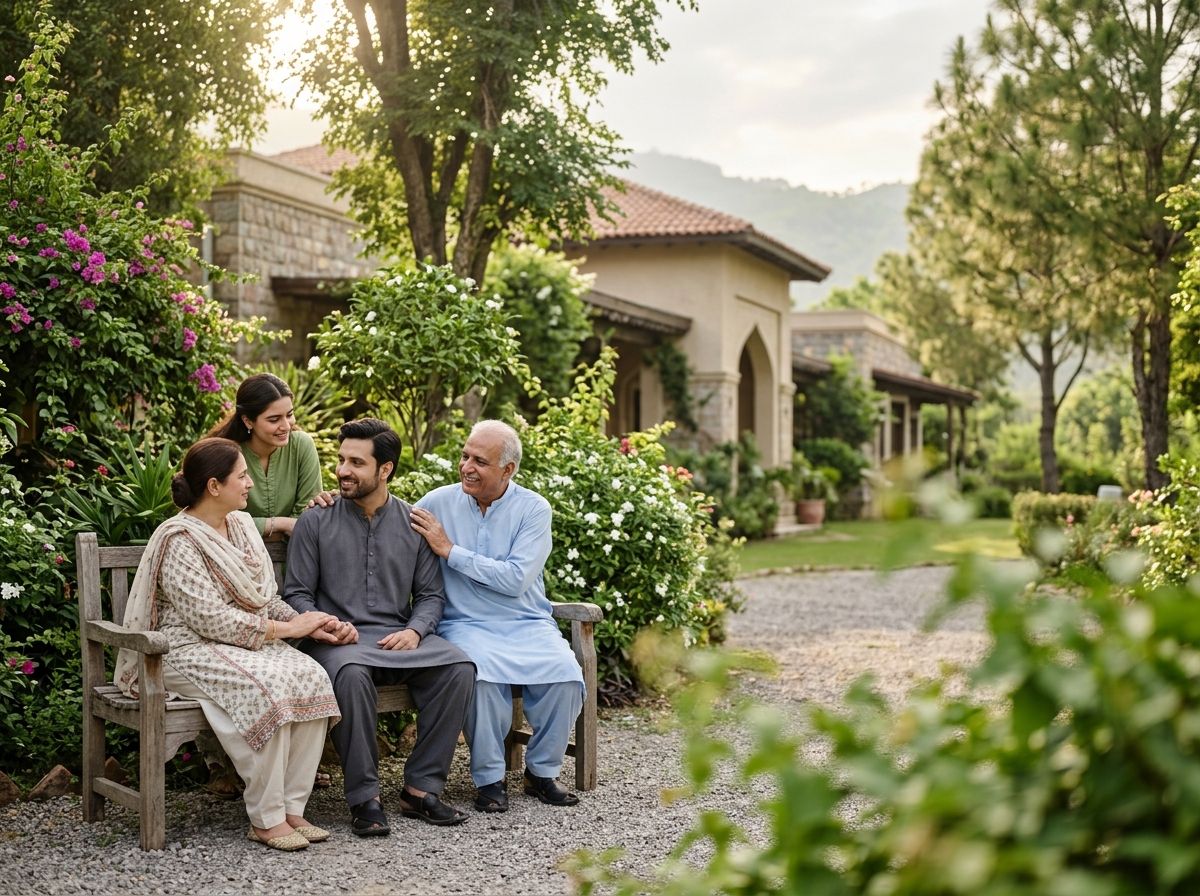
What Is Schizophrenia, and What Is It Not?
Schizophrenia is a long-term mental illness that affects how a person thinks, feels, perceives reality and behaves. It is linked to an imbalance of brain chemicals, mainly dopamine. Too much activity in some brain areas causes hallucinations and delusions. Too little in others causes loss of motivation and memory problems.
Risk is shaped by genetics, complications at birth, and cannabis use in the teenage years for people who are already vulnerable. Having a parent or sibling with schizophrenia raises lifetime risk from about 1% to about 10%.
Myths We Correct in Almost Every Family Meeting
کیا یہ split personality ہے؟
(Is it split personality?)
No. Split personality is a different condition. The “split” in schizophrenia means a split from reality, not into different personalities.
کیا یہ ماں باپ کی غلطی ہے؟
(Is it the parents’ fault?)
No. Parents do not cause schizophrenia. But the family environment does strongly affect relapse and recovery, which is why we include families in treatment.
Symptoms of Schizophrenia
Psychiatrists look at four groups of symptoms. Families usually notice the first group. The second group is often mistaken for laziness and quietly damages a person’s life for years.
Positive (psychotic)
Hearing voices, false beliefs (being followed, poisoned or targeted), confused speech, strange behaviour
“He has lost his mind”, anger, strange talk
Negative
No motivation, speaking very little, no pleasure in anything, flat emotions, staying alone
“He is lazy”, “He does it on purpose”
Cognitive
Poor memory, poor focus, slow thinking, trouble planning
“He can’t focus on studies or work”
Mood
Depression, anxiety, emotional ups and downs
Often ignored, but depression raises suicide risk
How diagnosis is confirmed: A psychiatrist looks for at least two key symptoms (one must be hallucinations, delusions or confused speech) lasting a significant part of a month, with signs of illness for at least six months and a clear decline in work, relationships or self-care. Drugs, medical conditions and mood disorders must be ruled out first. A diagnosis this serious should never be given after a five-minute consultation.
The Early Warning Phase: The Window Families Must Not Miss
Before the first full episode, most patients go through months of early changes. Families notice something is wrong but can’t name it:
- Falling grades or work performance
- Withdrawing from friends and family
- Becoming suspicious
- Sleeping in the day and staying awake at night
- Neglecting hygiene
This is the most important point on this page: the longer psychosis goes untreated, the worse the long-term outcome. Delays lead to more severe symptoms, more relapses and poorer recovery years later. In Pakistan, patients often go untreated for years because of denial, stigma, faith-healing only, or wrong diagnosis. If someone in your family is in a first episode, weeks matter. Don’t wait for it to “get better on its own.”
Conditions That Look Like Schizophrenia
Treating the wrong condition with the wrong medicine is worse than waiting a few days for a correct diagnosis. Our assessment rules out:
| Condition | How it differs from schizophrenia |
|---|---|
| Drug-induced psychosis (ICE, charas, cocaine) | Symptoms follow drug use and usually clear within days to weeks of stopping. See our ICE Addiction Treatment and Dual Diagnosis programmes. |
| Bipolar disorder with psychosis | Psychosis appears only during mania or depression. See Bipolar Disorder Treatment. |
| Severe depression with psychosis | Delusions match the low mood (guilt, poverty, worthlessness) and fade as depression lifts. |
| Schizoaffective disorder | Mood episodes take up most of the illness, with psychosis also present on its own. |
| Delusional disorder | A single fixed false belief, with daily functioning mostly normal. |
| Medical causes | Thyroid disease, epilepsy, brain infections and some rare conditions. Checked through history, examination and lab tests. |
Our assessment includes: detailed history from the patient and family, a timeline of symptoms, drug screening, physical examination, baseline blood tests (including sugar and cholesterol before starting medication), and standard rating scales so progress is measured, not guessed.
Our Treatment Pathway, Step by Step
Step 1: Stabilising the Acute Episode (If Needed)
If the patient is agitated, hearing voices that tell them to do things, is a risk to themselves or others, or has stopped sleeping and caring for themselves, residential admission is the safest option. It provides 24/7 supervision, a calm environment, quick psychiatric review and safe start of medication.
Step 2: Antipsychotic Medication: Managed, Monitored, Explained
Antipsychotics work by balancing dopamine in the brain. First choice is usually a newer (atypical) medicine such as risperidone, olanzapine, quetiapine or aripiprazole, chosen to suit the patient’s symptoms, health and side-effect risks. Older medicines like haloperidol still have a role.
What families are told in advance:
- Timeline: Sleep and agitation often improve within days. Voices and false beliefs usually take 2 to 6 weeks to settle. Judging the medicine on day 4 and stopping it is the most common family mistake.
- A fair trial: A medicine is only called “not working” after the right dose for the right length of time, usually about 6 weeks.
Side-effect monitoring (what makes this managed care, not just a prescription):
| Risk | What we check |
|---|---|
| Weight gain, diabetes, cholesterol (especially olanzapine, quetiapine) | Weight, waist, blood sugar and cholesterol at the start and during follow-up |
| Stiffness, tremor, restlessness | Checked at every visit. Dose or medicine adjusted if needed |
| Involuntary movements (long-term risk) | Regular examination |
| Hormonal effects (especially risperidone) | Menstrual and sexual side effects reviewed, prolactin test if needed |
| Heart rhythm | ECG when clinically needed |
When Medicines Don’t Work: Clozapine
If symptoms continue after two proper medication trials, this is called treatment-resistant schizophrenia. The proven next step is clozapine, the only medicine shown to work better in this group. It needs regular blood tests because of a rare but serious side effect, and it is started only under close specialist supervision.
If your family has been told کوئی دوا کام نہیں کرتی (“no medicine works”), ask whether a clozapine evaluation has ever been done.
Monthly Injections: The Answer When Tablets Get Missed
When daily tablets are forgotten, refused or secretly thrown away, a long-acting injection (given monthly or less often) keeps medication steady without a daily battle. Research shows these injections reduce relapse and hospital readmission in patients who struggle with tablets. For many families, this one change ends the cycle of: stable, stops tablets, relapse, readmission.
ECT: Where It Genuinely Fits
Electroconvulsive therapy (ECT) is not a first-line treatment for schizophrenia, and we don’t present it as one. It has specific uses: catatonia (when a patient stops moving or responding), some severe treatment-resistant cases, and situations where a fast response is needed. It is only used after full discussion with the family and with consent.
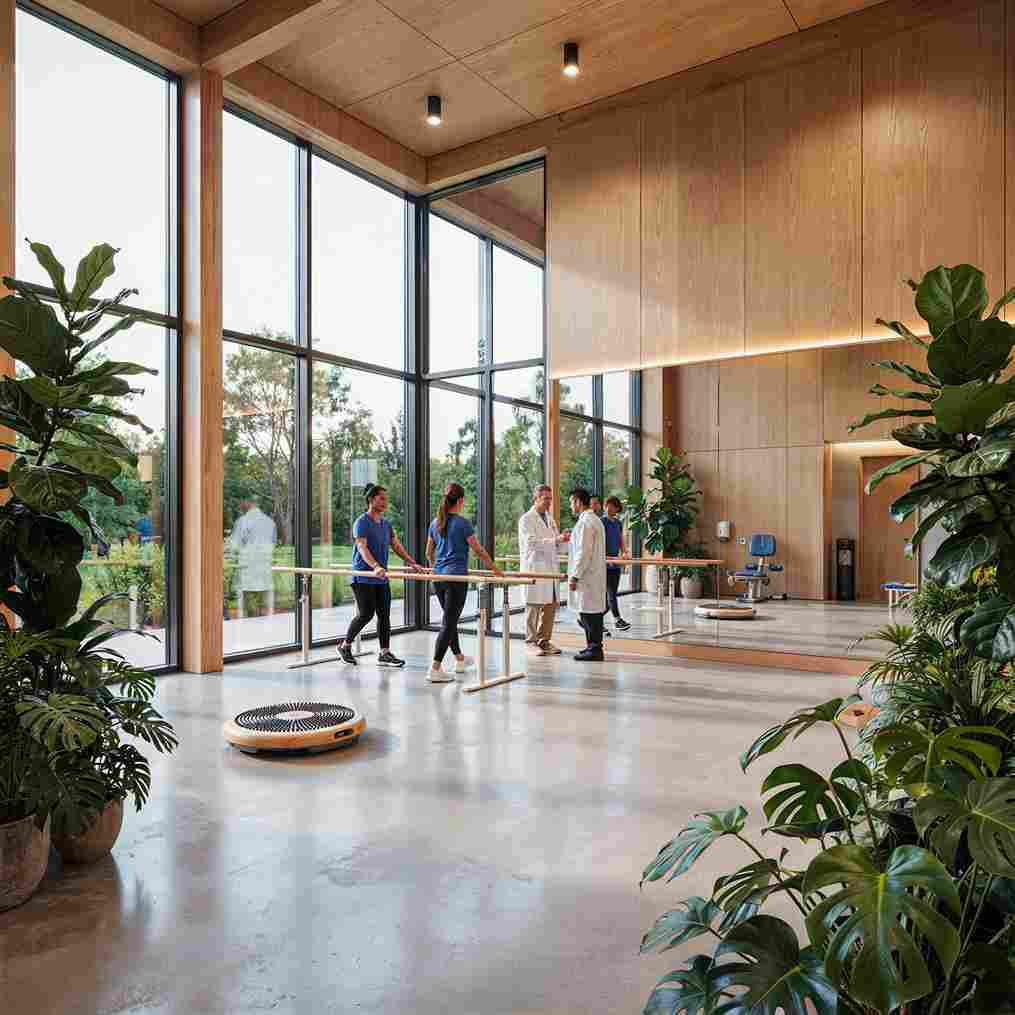
Step 3: Rehabilitation: Rebuilding Daily Life
Medication controls symptoms. Rehabilitation rebuilds a life. Our psychology team, led by Dr. Asad Ali Noor (PhD Psychology, Consultant Psychologist), provides:
- CBT for psychosis: ways to cope with remaining voices, test false beliefs and spot early relapse signs. See Cognitive Behavioural Therapy.
- Education for patient and family: understanding the illness, the medicine and the warning signs
- Social and life skills training: conversation, routine, self-care and responsibilities, step by step
- Memory and focus exercises: structured practice for attention and memory problems
- Return to study or work: in phases. Stability first, goals second
Step 4: Family Programme
Research shows that constant criticism, anger or over-protection at home increases relapse, and that structured family support reduces it significantly. Our family programme teaches:
- Calm, low-pressure communication
- Realistic expectations during the “low motivation” phase
- One named family member to supervise medicine, recording doses and reporting to our team (a model studied in Pakistan)
- A written family plan for what to do if warning signs return
See our Family Support Program.
Step 5: Relapse Prevention and Follow-Up
Every patient leaves with:
- A medication plan (and injection schedule, if used)
- A personal list of early warning signs. Sleep changes usually come first, then withdrawal, then returning suspicion
- A 48-hour action plan for the family
- A booked follow-up appointment
Follow-up continues as outpatient care. Families outside Islamabad or abroad can arrange online reviews where clinically suitable. See Outpatient Program and Aftercare & Relapse Prevention.
How Long Should Medication Be Taken?
This is the question every family asks: دوا کب تک لینی ہے؟
Based on international guidelines (NICE and APA):
After a first episode:
Continue medication for at least 1 to 2 years after full recovery. Any reduction must be slow and supervised by the psychiatrist.
After two or more episodes:
Long-term treatment, often 5 years or more, because relapse risk without medication is very high.
Each relapse makes recovery harder.
Relapses are linked to weaker response to the same medicines. Protecting the first recovery is much easier than rebuilding after the fourth.
The sentence families must avoid: “مریض اب ٹھیک ہے، دوا بند کر دیتے ہیں” (“The patient is fine now, let’s stop the medicine”). Research from Pakistan links stopping medication to most relapses and readmissions. Feeling better means the treatment is working, not that the illness has ended. It’s the same as insulin for diabetes.
What If the Patient Refuses Treatment?
Refusal is usually caused by the illness itself. Many patients genuinely can’t see that they are unwell. This is called lack of insight, and it is not stubbornness or bad character.
Don’t argue about the voices or beliefs. Telling them “the voices aren’t real” never works and breaks trust. Focus on shared goals instead: better sleep, less stress, “just a check-up with the doctor”.
Use a trusted person. Choose the relative or elder the patient still listens to, not the one they argue with daily.
Start with a general check-up. If “psychiatrist” is refused, a sleep and physical check-up at our medical clinic often opens the door. See Medical Clinic.
If there is any risk, treat it as an emergency. Aggression, self-harm threats, wandering, or not eating or drinking. Call us for guided admission. Don’t try risky transport alone.
Call us early. Our team regularly guides families through this exact situation before the patient reaches us.
Can a Person With Schizophrenia Marry, Work and Live Normally?
Yes, many can. With steady treatment, especially when started early, many patients return to study, work and family life, and many marry.
Stability first: usually 6 to 12 months of consistent recovery
Gradual return to work or study
Major life decisions planned with the psychiatrist, including honest pre-marriage counselling where needed
Promising an exact timeline would be dishonest. Denying families hope would be wrong. With early treatment and regular medication, the outlook today is much better than most people think.
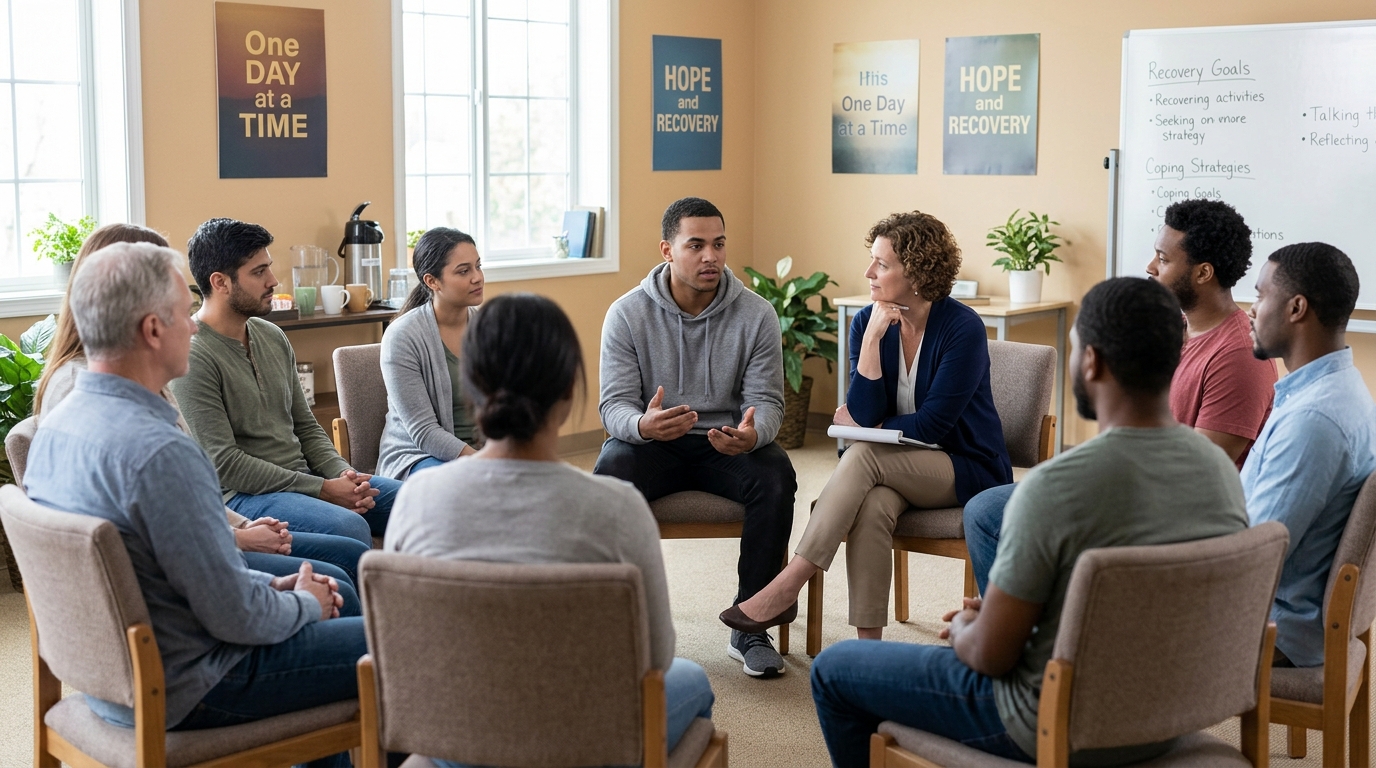
Schizophrenia With Drug Use (Dual Diagnosis)
Charas (cannabis) and ICE make psychosis worse, cause patients to stop medication and sharply raise relapse risk. At the same time, untreated psychosis often pushes people toward drugs. At Healing Door, both are treated together in one plan. Treating addiction first and the mind later fails in both directions.
See Dual Diagnosis Treatment and Cannabis/Charas Addiction Treatment.
Why Choose Healing Door for Schizophrenia Treatment?
Led by a psychiatrist, not a counsellor.
Dr. M. Iqbal Khan (MBBS, MCPS, 10 years of psychiatric practice) personally leads diagnosis and long-term planning.
A diagnosis you can trust.
Structured assessment, family history, drug screening and medical tests, because a wrong psychiatric label follows a patient for life.
Complete care under one roof.
Residential stabilisation, monitored medication, monthly injection options, clozapine evaluation for resistant cases, therapy and rehabilitation.
Built to prevent relapse.
Injection options, a named family supervisor and warning-sign training.
Families are part of the team.
Education at every stage, a written relapse plan and a direct line back to us in a crisis.
10+ years in Islamabad,
in a calm, supervised residential setting in Bani Gala with 24/7 staff and structured family visits.
Rated by families:
4.9 on Recovery.com and 236+ Google reviews.
What Families Say
EXCELLENT Based on 236 reviews
 Posted on Google
 Habiba KhanOur experience today was very good and we are very satisfied.Posted on Google
 Kazia RumiiI visited healing door rehab center and had a really positive experience. The staff is professional, caring, and very supportive. The environment is clean, peaceful, and focused on recovery You can clearly see how much they care about their patients’ well-being. The facilities are well-maintained and the treatment approach feels thoughtful and respectful. I would definitely recommend this center to anyone looking for quality care.Posted on Google
 Muhammad NabeelWorking with Healing door rehab center HDRC was an absolute pleasure. Their team demonstrated deep expertise, professionalism, and clear communication throughout the entire process. They truly understood our specific psychological needs and delivered exceptional results. I highly recommend their services.Posted on Google
 Mamta KanwalHealing Door Rehab Center Bani Gala Islamabad is a place that truly restores hope. From day one, the professional and compassionate team treated every patient with dignity and respect no judgment, just real listening and 24/7 support that makes you feel safe. The peaceful, green location in the Bani Gala hills creates a naturally therapeutic environment away from Islamabad’s stress, while the structured program balances clinical care with group therapy, fitness, and wellness activities. What stands out most is their focus on family involvement; the staff teaches families how to communicate and support recovery the right way. Healing Door doesn’t just manage a condition,it helps people get their life back. I highly recommend visiting the center to meet the team and see the environment before deciding.Posted on Google
 AmjadHighly trained team providing outstanding support throughout the recovery journey.Posted on Google
 Zohaib AbbasiThe best care rehab centerPosted on Google
 Hamza Shahbest rehab center for schizophrenia and other psychiatric disorders. all the Best to Dr Asad Noor and his teamPosted on Google
 TANEEM ULHAQLike best hospital for drugs Best hospital for psychiatric problems Etc dase comments with 5 star ratingPosted on Google
 Aleena ZebTheir commitment to patient well-being, coupled with their attentive and friendly approach, made a significant difference in overall experience. The cleanliness, efficiency, and timely response of every staff member reflect the high standards.
Areas We Serve
Healing Door Rehab & Psychiatric Center is in Bani Gala, Islamabad, near Rawal Lake, easy to reach from Murree Road and the Islamabad Expressway. Families bring patients to us from:
Islamabad
Bani Gala, F-6, F-7, F-8, F-10, F-11, E-11, G-9, G-10, G-11, G-13, Blue Area, Chak Shahzad, DHA Phase 1 and 2, Bahria Town, Gulberg Greens, B-17 and PWD. Families are welcome to visit before deciding.
Rawalpindi
Saddar, Westridge, Chaklala Scheme III, Bahria Town Rawalpindi, DHA Rawalpindi, Satellite Town and Rawat
Nearby cities
Wah Cantt, Taxila, Attock and Murree. If the patient refuses to travel, call us first and we’ll guide you on the safest way to bring them.
Across Pakistan
Lahore, Karachi, Peshawar, Faisalabad and Multan. Intake can start entirely by phone. See Contact Us.
Overseas Pakistanis
Families in the UK, USA, Canada and the Gulf arrange assessments and admissions with us and receive regular updates. See Rehabilitation for Overseas Pakistanis.
24/7 Emergency & Admissions: +92 314 992 2547 If the patient is in an acute episode, at risk, or has stopped eating, drinking or sleeping, don’t wait for a routine appointment. Call now.
Cost of Schizophrenia Treatment in Islamabad
Families receive a written cost outline after assessment, before admission.
One honest point: the most expensive treatment is the one that keeps getting interrupted. Repeated relapses and readmissions cost far more than steady care.
See our Rehab Cost in Islamabad guide.
Frequently Asked Questions
Can schizophrenia be cured, or is it lifelong?
It is a long-term but manageable condition, like diabetes or blood pressure. With continuous medication, rehabilitation and family support, most patients get major control of symptoms, and many recover their daily functioning, especially when the first episode is treated early.
What is the best medicine for schizophrenia?
There is no single best medicine, only the best match for each patient. The psychiatrist chooses from newer medicines such as risperidone, olanzapine or aripiprazole based on symptoms, health and side effects, and reviews progress over 2 to 6 weeks. For resistant cases, clozapine is the proven option. Never start, change or stop these medicines without the psychiatrist.
What happens if medication is stopped?
Usually relapse, within weeks to months. It is often more severe than before and sometimes responds less well to the same medicine. Any reduction must be slow and planned with the psychiatrist, never a family decision made because the patient “looks fine.”
What should the family do if the patient becomes aggressive?
Stay calm, keep a safe distance, remove sharp objects, don’t crowd or argue, send children out of the room, and speak in short, simple sentences. If there is immediate danger, leave the room and call for emergency help. Aggression is usually driven by fear or missed medicine, so report it to us the same day.
Is schizophrenia passed from parents to children?
Partly. Lifetime risk is about 1% in the general population and about 10% with one affected parent. Most children of patients never develop schizophrenia. The practical step is to watch for early warning signs in the teenage years.
What is the difference between schizophrenia, depression and bipolar disorder?
In schizophrenia, psychosis is the main and lasting feature, separate from mood. In bipolar disorder and severe depression, psychosis appears only during mood episodes and fades with them. This difference decides the whole treatment plan.
When is ECT used for schizophrenia?
For catatonia, some treatment-resistant cases, and situations needing a fast response. It is not a routine first treatment and is only used with full family discussion and consent.
Do you treat patients from outside Islamabad or overseas?
Yes. Families bring patients from across Pakistan, and overseas Pakistani families coordinate care from the UK, USA and Gulf, with regular updates during admission and planned follow-up after discharge.
About the Medical Reviewer
Dr. M. Iqbal Khan is a Consultant Psychiatrist at Healing Door Rehab & Psychiatric Center, Bani Gala, Islamabad (MBBS, MCPS), with 10 years of psychiatric practice treating schizophrenia, anxiety, depression and personality disorders. He leads schizophrenia diagnosis and long-term treatment planning at Healing Door.