
Dr. Nasir Mehmood Abbasi
Medical and Addiction Specialist, Director
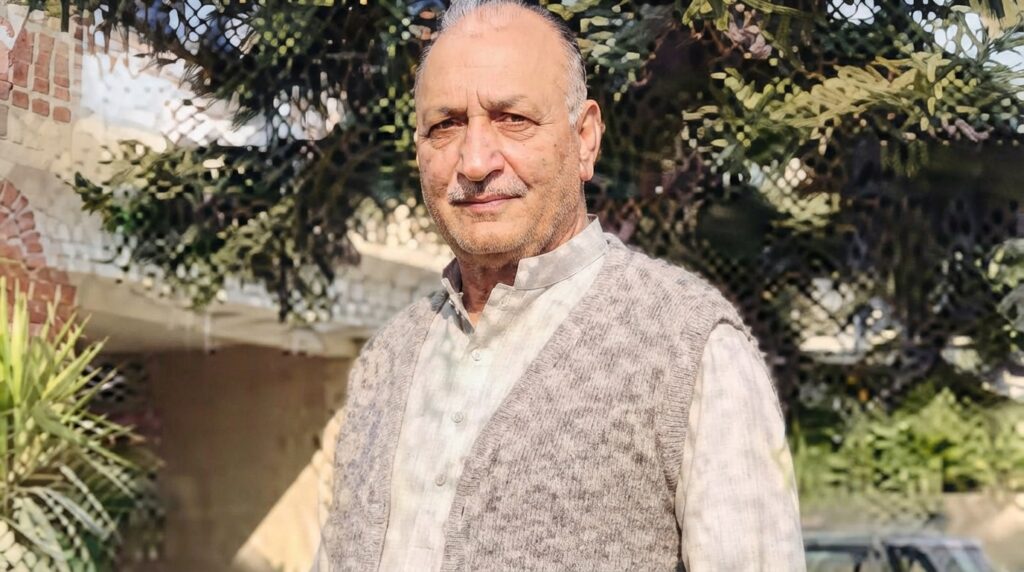
Dr. Nasir Mehmood Abbasi is a Director and the Senior Medical and Addiction Specialist at Healing Door Rehab Center in Bani Gala, Islamabad. He brings 24 years of clinical experience in addiction medicine and HIV management gained in the Republic of South Africa, a background that is uncommon in Pakistan’s rehabilitation landscape and one that directly shapes the medical standard of care at this facility.
Medical Education and International Training
Dr. Abbasi obtained his MBBS from Rawalpindi Medical College, Punjab University (1989/90 batch). He then relocated to South Africa, where he spent over two decades in active clinical practice. During that time, he earned his MFGP/M.Med (Master of Family General Practice and Master of Medicine) from the Medical University of Southern Africa (Medunsa), now part of Sefako Makgatho Health Sciences University.
He completed Advanced Trauma Life Support (ATLS) certification at Ga-Rankuwa Hospital under Medunsa’s training program and both ATLS and ACLS (Advanced Cardiac Life Support) at Johannesburg General Hospital through the University of the Witwatersrand (Wits University). These are not routine qualifications. ATLS and ACLS certifications train physicians to manage life-threatening emergencies including cardiac arrest, hemorrhagic shock, and multi-system trauma, the kinds of acute medical events that can, and occasionally do, present during severe substance withdrawal or medical complications in rehab patients.
24 Years of Addiction and HIV Clinical Practice in South Africa
South Africa’s addiction treatment landscape during the period Dr. Abbasi practiced there was one of the most clinically complex in the world. Substance use disorders rarely presented in isolation. Patients arrived with concurrent HIV infection, tuberculosis, hepatitis, malnutrition, and trauma histories that demanded a physician capable of managing multiple overlapping conditions simultaneously.
This is not theoretical knowledge for Dr. Abbasi. It is two decades of daily clinical practice. He has managed patients through withdrawal while monitoring antiretroviral therapy. He has conducted medical assessments where the addiction was only one layer of a multi-system clinical picture. He has made treatment decisions in settings where getting the pharmacological balance wrong carried immediate, measurable consequences.
That depth of experience is what he brings to Healing Door. In Pakistan’s rehab sector, most medical directors have trained and practiced domestically. Dr. Abbasi’s international clinical background means the medical protocols at this center reflect standards he learned and practiced in a healthcare system that operates under very different, and in many areas more rigorous, clinical governance.
His Role at Healing Door
As the senior medical specialist and a director of the center, Dr. Abbasi oversees the medical treatment framework for all residential patients. His specific responsibilities include:
Setting and reviewing the clinical protocols for drug detoxification, ensuring that withdrawal from opioids, stimulants, alcohol, benzodiazepines, and polydrug combinations is managed according to evidence-based pharmacological guidelines. Conducting medical evaluations for patients with complex histories, particularly those with liver disease, cardiovascular conditions, infectious disease, or a history of medical complications during previous treatment episodes. Coordinating with the psychiatric team on dual diagnosis cases where medical stability and psychiatric stabilization must proceed in parallel. Maintaining the clinical governance standards required by the center’s UNODC accreditation, which includes periodic review of treatment outcomes, adverse event protocols, and staff clinical competency.
What This Means for Families Considering Admission
When a family entrusts a loved one to a rehabilitation center, they are trusting that facility’s medical team with that person’s physical safety during one of the most physiologically vulnerable periods they will experience. Withdrawal can be dangerous. Co-occurring medical conditions can be missed. Medication interactions can be mismanaged.
Having a physician with 24 years of international addiction medicine experience overseeing that process is a meaningful differentiator. It does not guarantee outcomes. No honest clinician would claim that. But it significantly reduces the medical risk involved in residential treatment.
To discuss a patient’s medical history or to arrange a pre-admission medical consultation with Dr. Abbasi’s team, call 0314-9922547.