Meth Addiction Treatment Islamabad | HDRC 2026 Guide
Crystal meth — called “Ice” in Pakistan — has a specific grip that most families don’t see coming. The person changes first: the sleep, the behavior, the paranoia. By the time they’re recognizing it as addiction, the brain chemistry has already shifted. If you’re searching for meth addiction treatment in Islamabad right now, you already know things have reached a serious point. This guide covers how meth addiction works physiologically, what effective treatment looks like in the Pakistani context, what questions to ask any facility before you commit, and why the structure of treatment matters as much as the intention behind it.
Why Meth Addiction Is Different From Other Substance Dependencies
Meth addiction is not the same as heroin or alcohol dependency, and treating it as though it is produces poor results. That distinction matters enormously when you’re choosing a treatment approach.
Methamphetamine floods the brain with dopamine at levels three to five times higher than what cocaine produces, according to the National Institute on Drug Abuse (NIDA, 2023). The brain adapts by reducing its own dopamine production. When the drug stops, the brain can’t generate normal pleasure, motivation, or emotional stability — sometimes for weeks or months. This is why the early recovery period for meth is often described by patients as “feeling nothing” rather than the intense physical craving seen in opioid withdrawal.
That psychological flatness is one of the most dangerous phases. It’s when people relapse — not because they want the high, but because they can’t feel normal without it.
The Physical vs. Psychological Withdrawal Timeline
| Phase | Timeline | Common Symptoms |
|---|---|---|
| Acute withdrawal | Days 1–10 | Extreme fatigue, hypersomnia, depression, irritability |
| Sub-acute phase | Weeks 2–4 | Anhedonia (inability to feel pleasure), anxiety, drug cravings |
| Protracted recovery | Months 1–6+ | Mood instability, cognitive fog, high relapse risk |
| Cognitive repair | 6–12 months | Gradual improvement with proper support and therapy |
The protracted nature of meth recovery is why a 21-day “detox and discharge” model is largely insufficient for ice addiction. You can clear the drug from the system in days. Repairing the neurological damage takes considerably longer, and it requires structured behavioral therapy — not just abstinence.
What Does Effective Meth Addiction Treatment in Islamabad Actually Include?
Effective meth addiction treatment combines medically managed withdrawal with sustained behavioral intervention. Neither element alone produces durable outcomes.
Medically Supervised Detoxification
The detox phase for meth isn’t as physically dangerous as opioid withdrawal, but it requires careful monitoring. The psychiatric symptoms — psychosis, severe depression, suicidal ideation — can emerge in the first 72 hours and are unpredictable in severity. A facility that handles detox with a psychiatrist on call, not just a general physician, is better positioned to manage these presentations safely.
At Healing Door Rehab Center (HDRC) in Bani Gala, Islamabad, detox is medically supervised 24/7 with psychiatrists and addiction specialists involved from day one — not brought in after something goes wrong.
Behavioral Therapy: The Non-Negotiable Core
The most evidence-supported treatment for methamphetamine use disorder is the Matrix Model, a 16-week structured outpatient approach developed specifically for stimulant addiction. It combines cognitive behavioral therapy (CBT), family education, individual counseling, 12-step facilitation, and urine testing within a structured schedule. Where full Matrix implementation isn’t available, quality CBT delivered consistently is the next strongest intervention.
What families in Islamabad should specifically ask any facility: Do your therapists have structured meth-specific protocols, or do you apply the same approach to all substance types? The answer reveals whether the facility has real expertise or just capacity.
Dual Diagnosis Treatment — The Part Most Facilities Skip
Meth use frequently co-occurs with untreated anxiety disorders, depression, bipolar disorder, and PTSD. In Pakistan’s context, where mental health conditions often go undiagnosed for years before addiction develops, this overlap is particularly common. Treating the addiction without addressing the underlying psychiatric condition is one of the most predictable causes of relapse within the first six months.
HDRC’s approach addresses both simultaneously. The team includes Dr. M. Iqbal Khan (Psychiatrist), Prof. Dr. Jan Alam (Consultant Psychiatrist and Psychotherapist), and Ms. Aneela Sarfraz (Consultant Clinical Psychologist), which means the psychiatric and psychological dimensions are handled by specialists, not generic counselors.
Inpatient vs. Outpatient: Which Is Right for Meth Addiction?
For meth addiction specifically, inpatient residential care produces meaningfully better outcomes than outpatient-only programs for most patients. Here’s why.
Meth recovery requires removing the patient from environmental triggers during the most vulnerable phase — the first 60 to 90 days. The dealer’s contact, the friend who still uses, the specific location associated with use — these cues are powerful enough to trigger relapse before conscious decision-making can intervene. Physical separation from those triggers during early recovery isn’t a preference; it’s a clinical strategy.
The honest case for outpatient: It’s viable only when the patient has a stable, drug-free home environment and family members who are genuinely equipped to support recovery — not just willing. In HDRC’s experience working with families across Islamabad and Rawalpindi, patients who transition to outpatient programs too early frequently return for inpatient re-admission. The cost of re-admission, emotionally and financially, exceeds the cost of a longer initial residential stay.
| Factor | Inpatient | Outpatient |
|---|---|---|
| Environmental separation | Complete | Limited |
| 24/7 psychiatric monitoring | Yes | No |
| Family involvement | Structured sessions | More frequent but less controlled |
| Best for | Severe/chronic use, unstable home, dual diagnosis | Mild-moderate use, stable family, strong support system |
| Relapse risk (first 90 days) | Lower | Higher without intensive structure |
How Families Can Actually Help — And What Makes It Worse
One of the most important gaps in most addiction content is this: families in Pakistan often inadvertently extend addiction while trying to help. Covering financial consequences, dismissing severity to protect reputation, or issuing ultimatums they don’t follow through on — each of these delays real treatment.
What actually moves people toward treatment:
- A calm, specific conversation — not an emotional confrontation. Describe what you’ve observed concretely. “I’ve noticed you haven’t slept in three days and you became aggressive when I asked about money” lands differently than “you’re ruining your life.”
- Having a plan ready — call the facility before the conversation happens. Know the admission process, what to bring, and what the first 48 hours look like. When the person says yes — even briefly — you need to be ready to move immediately.
- Family therapy as part of the process — not as an afterthought. HDRC includes family therapy sessions specifically because addiction restructures family dynamics, and recovery requires restructuring them back.
- Setting limits on financial enabling — quietly and consistently, not as punishment.
When a loved one refuses treatment entirely, a structured intervention led by a trained addiction therapist is more effective than family-led confrontation. HDRC’s team can guide this process.
What to Look for in a Meth Rehab Facility in Islamabad
Most families make this decision under pressure, with limited information and significant emotional distress. These are the specific questions worth asking before you commit:
- Is the facility accredited by a recognized body? (HDRC holds UNODC accreditation and approval from IHRA Pakistan — verifiable credentials, not self-reported claims.)
- Are psychiatrists on-site, or called in only when needed?
- Does the treatment plan address dual diagnosis, or only the substance?
- What does the structure of a typical day look like for patients?
- What is the relapse protocol — what happens if a patient relapses during treatment?
- Is aftercare included, or is discharge the end of the service?
- Is there a women-only admission option for female patients who need privacy and a gender-sensitive environment?
HDRC operates a dedicated female rehabilitation program — a meaningful differentiator in the Islamabad market, where women-specific rehab options are rare and stigma is higher.
Aftercare: The Phase That Determines Whether Treatment Worked
The 90 days after discharge carry more relapse risk than almost any phase in active treatment. A facility that hands a patient a discharge summary and a hotline number has done half the work.
Effective aftercare for meth addiction includes:
- Structured follow-up sessions (weekly, then biweekly) for a minimum of six months
- Relapse prevention planning with specific triggers mapped and response protocols agreed upon
- Ongoing psychiatric medication management where indicated
- Family check-ins to assess home environment stability
- Clear re-admission pathway that doesn’t require starting the process from scratch
As of 2026, HDRC provides individualized aftercare plans for every patient, with ongoing therapy and team access post-discharge. Recovery doesn’t end at the door.
Why Location Matters in Recovery — And Why Bani Gala Is a Considered Choice
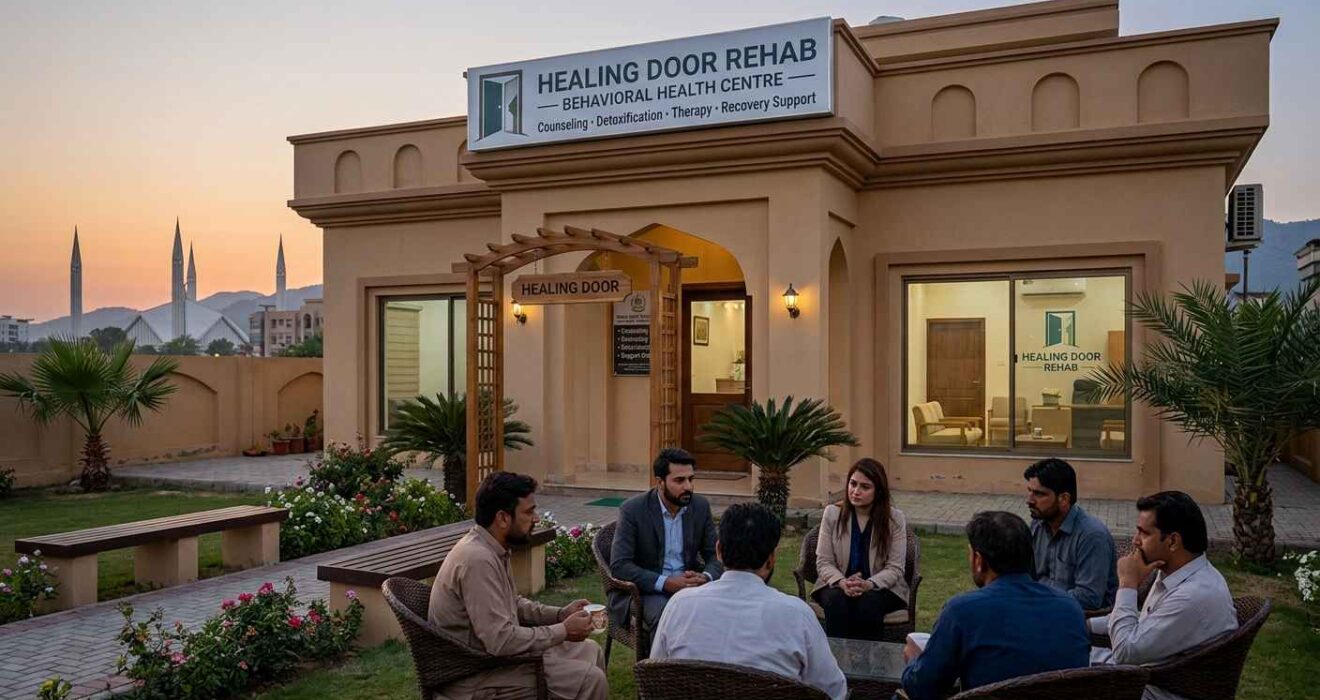
HDRC’s residential facility is located in Bani Gala, Islamabad — deliberately distanced from the urban environments where most patients acquired and used. This isn’t incidental. For patients whose triggers are embedded in specific neighborhoods, social networks, or urban contexts, physical distance during early recovery reduces the neurological pull of environmental cues.
The facility offers a calm, structured residential environment for inpatient patients while remaining accessible for outpatient and family sessions. The 24/7 emergency line (+92 314 992 2547) means families aren’t waiting for business hours when situations escalate. In a country where addiction crises most often surface at night, that availability is practically significant.
Taking the First Step Toward Meth Addiction Treatment in Islamabad
If someone you love is using crystal meth, the right moment to act is not after one more incident. The brain chemistry involved means each cycle of use and withdrawal makes recovery progressively harder. That’s not designed to frighten — it’s the clinical reality families deserve to hear honestly.
Healing Door Rehab Center has treated over 500 patients across more than a decade, with a team that includes psychiatrists, clinical psychologists, addiction specialists, and medical officers working together under one roof. The facility is UNODC-accredited, IHRA-approved, and IHRA-recognized — the kind of credentials that matter when you’re choosing where to trust your family member’s recovery.
The next step is a conversation, not a commitment. Call HDRC at +92 314 992 2547, available 24 hours a day. Say as much or as little as you know. The team has heard it all, and they know how to help you figure out what comes next.
Recovery from meth addiction is possible — but only when the treatment is built around how meth actually affects the brain, not around how addiction is treated in general.
FAQ SECTION
Q1: How long does meth addiction treatment take in Islamabad? Treatment duration for methamphetamine addiction varies by severity, but most specialists recommend a minimum of 90 days of structured treatment — combining detox, inpatient rehabilitation, and early outpatient follow-up. Shorter programs can clear the substance from the body, but the psychological recovery, particularly the anhedonia and cognitive effects of meth use, takes significantly longer to address. HDRC creates individualized timelines rather than applying a standard duration to all patients.
Q2: What is ice addiction treatment, and is it the same as meth addiction treatment? Yes — “ice” is the street name for crystal methamphetamine in Pakistan. Ice addiction treatment and meth addiction treatment refer to the same condition and the same evidence-based protocols: medically supervised detox, behavioral therapy (particularly CBT), psychiatric assessment, dual diagnosis treatment where needed, and structured aftercare. HDRC has a dedicated ICE rehabilitation program.
Q3: Can meth addiction be treated without residential inpatient care? For mild cases with a stable, drug-free home and strong family support, structured outpatient treatment can work. For most methamphetamine cases in Pakistan — where chronic or heavy use is common by the time families seek help — inpatient residential care produces significantly better outcomes. The environmental separation alone reduces relapse risk during the most neurologically vulnerable period of early recovery.
Q4: What withdrawal symptoms should families expect during meth detox? Meth withdrawal is primarily psychological. Expect extreme fatigue, prolonged sleep (hypersomnia), depression, irritability, and intense cravings in the first one to two weeks. Psychosis is possible and requires psychiatric monitoring. Unlike opioid withdrawal, meth withdrawal is rarely medically life-threatening, but the psychiatric symptoms can be severe enough to require professional management. HDRC’s detox program includes 24/7 psychiatric oversight.
Q5: Is there a women-only meth treatment option in Islamabad? Yes. HDRC operates a dedicated female rehabilitation program with a private, gender-sensitive environment and an all-female support structure. This matters particularly in Pakistan where women face additional social stigma around addiction, which often delays treatment-seeking. The program covers meth and ICE addiction alongside other substances and co-occurring mental health conditions.
Q6: How much does meth addiction treatment cost at HDRC in Islamabad? Treatment costs vary based on the program length, inpatient vs. outpatient structure, and specific clinical needs. Contact HDRC directly at +92 314 992 2547 or via hdrc.rehab@gmail.com for current pricing. Costs in Pakistan are significantly lower than comparable facilities in the Gulf or Western markets. Verify current details with HDRC directly, as pricing and program structures may be updated.
Q7: What is dual diagnosis, and does it apply to meth addiction? Dual diagnosis means a patient has both a substance use disorder and a co-occurring mental health condition — for example, meth addiction alongside untreated depression, anxiety, or PTSD. This is extremely common in meth addiction cases, partly because meth is sometimes initially used to self-medicate undiagnosed conditions. Treating only the addiction without addressing the underlying psychiatric condition is one of the leading causes of relapse. HDRC treats both simultaneously with psychiatrists and clinical psychologists on the same team.