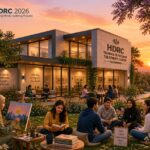

Female Rehabilitation Services Islamabad | HDRC 2026
Someone in your family has been struggling for months, maybe longer. You’ve noticed the withdrawal, the mood changes, the dependency on medication or substances she doesn’t talk about. You’re searching for female rehabilitation services in Islamabad, and you’re finding a list of centers that all say the same thing in different words.
This page is different. It covers what women’s rehabilitation actually involves, why the treatment model matters, what makes a program genuinely gender-specific rather than just gender-labelled, and where in Islamabad that kind of structured, private care actually exists. By the end, you’ll know exactly what to look for and what questions to ask before making a decision.
Why Women Need a Different Treatment Approach
The clinical case for gender-specific rehabilitation is not about preference. It’s about biology and social context.
Women progress from first use to dependency faster than men, a pattern researchers call “telescoping.” According to a 2025 study published in Global Mental Health (Khan et al., 2025), socioeconomic pressure, peer influence, and cultural isolation are the primary drivers of substance use among young Pakistani women, factors that differ substantially from the drivers for men. A treatment model designed around male patterns of addiction won’t adequately address those roots.
The substances also differ. A 2025 cross-sectional study on drug addiction patterns in Pakistan (ResearchGate, 2025) found that women show a significantly higher tendency toward benzodiazepine dependency compared to men, driven largely by easy access through pharmacies without prescription enforcement. This is a clinical reality most Islamabad rehab centers don’t acknowledge because their programs weren’t built with female patients in mind.
Depression compounds everything. Research shows that approximately 20.9 percent of women with severe depressive illness also meet the criteria for Substance Use Disorders (Guyer et al., 2024). In Pakistan, where women frequently suppress psychological suffering to protect family reputation, this combination goes untreated for far longer than it should.
The Stigma Delay: Why Pakistani Women Reach Treatment Later
This is the hardest part of the picture to say plainly: most Pakistani women who need rehabilitation don’t receive it until the crisis point.
The silence isn’t weakness. It’s the product of a system where women who seek help for addiction or mental health are judged more harshly than men and risk social consequences that can affect their family’s standing and their own security. A 2025 study in the South African Journal of Psychiatry found that social and cultural norms directly hinder mental health treatment for women in Pakistan, leading many to endure psychological suffering in silence.
That delay is clinically significant. By the time a woman reaches a rehabilitation center in Islamabad, she has typically been managing dependency or mental health deterioration for months or years. The treatment program must account for this. A detox-and-discharge model doesn’t. A comprehensive program with psychiatric assessment, trauma-informed care, and genuine aftercare planning does.
If you’re reading this as a family member who has been watching someone struggle and delaying the conversation out of concern for what others will say, the clinical reality is this: the longer the delay, the harder the treatment. Private, confidential care addresses the stigma concern directly. It’s not a luxury option. It’s a clinical necessity.
What “Female Rehabilitation Services” Actually Means Clinically
Not every center using the phrase “female rehabilitation services” operates an actual gender-specific program.
There’s a clear distinction between two types of provision in Islamabad’s rehab market:
| Model | What It Actually Means | Limitation |
|---|---|---|
| General rehab with a female ward | Women housed separately from male patients, but treated within the same mixed program structure | Therapy groups, clinical protocols, and counseling are not adapted for women’s specific needs |
| Genuinely gender-specific program | Separate ward, separate therapy groups, female-sensitive clinical protocols, trauma-informed approach, staff trained in women’s addiction patterns | Requires investment in specialist staffing and adapted treatment design |
The difference matters most in group therapy and psychiatric assessment. In a mixed-program setting adapted for women, group sessions can feel genuinely safe, experiences around trauma, relationship dynamics, and the specific social pressures on Pakistani women can be discussed honestly. In a generic setting, they usually can’t.
Ask any center you’re evaluating directly: do you run separate group therapy sessions for female patients, with female therapists facilitating? If the answer is vague, the program is likely a ward separation rather than a gender-specific model.
What HDRC’s Female Rehabilitation Program Covers
Healing Door Rehab Center in Bani Gala, Islamabad, runs a dedicated female rehabilitation program as a structurally separate component of its broader clinical service.
Assessment
Every female admission begins with a structured psychiatric and psychological assessment. This goes beyond intake paperwork. It identifies the nature and severity of dependency, screens for co-occurring mental health conditions, documents any trauma history relevant to treatment planning, and establishes a baseline for measuring clinical progress.
This step is where dual diagnosis gets identified or missed. At HDRC, the assessment team includes Prof Dr. Jan Alam (Consultant Psychiatrist and Psychotherapist) and Ms. Aneela Sarfraz (Consultant Clinical Psychologist), ensuring that a clinical co-occurring condition, whether depression, anxiety, trauma, or prescription drug dependency, is identified and incorporated into the treatment plan from the beginning.
The Treatment Program
| Component | Clinical Purpose |
|---|---|
| Medically supervised detox | Safe withdrawal management with 24/7 monitoring, vital observation, and medication support where clinically indicated |
| Individual psychiatric sessions | Addresses co-occurring mental health conditions specific to each patient |
| Cognitive Behavioral Therapy (CBT) | Rewires dependency-sustaining thought patterns; strong evidence base for both addiction and depression |
| Group therapy (female-only sessions) | Peer support in a safe, culturally appropriate environment; reduces shame and isolation |
| Family counseling | Addresses relational dynamics that contributed to or sustain the patient’s condition |
| Psychoeducation | Builds the patient’s and family’s capacity to understand the condition and recognize early relapse signals |
| Spiritual and holistic support | Mind-Body-Soul framework developed by HDRC, featured on ROZE NEWS and NEO TV |
| Structured aftercare planning | Written discharge plan with follow-up therapy schedule, psychiatric monitoring, and crisis guidance |
Privacy and Confidentiality
Privacy is not a marketing phrase at HDRC. The Bani Gala location, set away from the Islamabad city center opposite Mezan Bank on Main Jinnah Road, provides genuine geographic separation. Families who are concerned about community privacy have consistently chosen the Bani Gala setting for exactly this reason.
Discretion is built into how admissions are handled, how records are managed, and how the facility operates. If confidentiality is a concern, raise it directly when you contact the intake team.
Prescription Drug Dependency in Pakistani Women: The Overlooked Problem
Most families searching for female rehabilitation services in Islamabad are thinking about illegal drug or alcohol dependency. But for a significant proportion of Pakistani women entering rehabilitation, the dependency started with a prescription.
Benzodiazepines, sleeping tablets, and opioid-based pain medication are among the most common substances involved. They’re prescribed legitimately, then continued beyond the clinical need, sometimes because of inadequate follow-up from prescribing doctors, sometimes because they’re the only thing that manages undiagnosed anxiety or depression. Over-the-counter access without strict enforcement makes this worse.
The treatment approach for prescribed-drug dependency is not identical to illegal substance dependency. Withdrawal from benzodiazepines, in particular, requires careful medical management to avoid serious complications. The detox protocol must be tailored to the specific substance, dosage, and duration of use. This is exactly why a center’s medical depth matters: a facility without qualified psychiatrists and medical officers managing detox isn’t equipped to handle this safely.
If the dependency in your family involves prescription medication rather than illegal substances, confirm with any center you contact that they have specific experience with prescribed-drug withdrawal management.
Checklist: Evaluating a Female Rehabilitation Center in Islamabad
Use this before you contact any facility:
- Does the center run a structurally separate female program, not just a female ward within a mixed program?
- Is there a licensed psychiatrist on-site, not just counselors or general physicians?
- Does the clinical team include female psychologists and therapists?
- Can they handle dual diagnosis, meaning depression, anxiety, or trauma alongside addiction?
- Do they have specific experience with prescription drug and benzodiazepine dependency?
- Is aftercare structured and documented, or just a discharge letter?
- Is the facility accredited by ANF Pakistan, UNODC, IHRA Pakistan, or the Islamabad Healthcare Regulatory Authority?
- How is confidentiality maintained throughout the admission and treatment process?
HDRC answers positively on all eight of these. The accreditations are verifiable: UNODC recognition, IHRA Pakistan approval, ANF Pakistan registration, and Islamabad Healthcare Regulatory Authority registration. The clinical team is multi-disciplinary and includes female clinical staff.
If you’re still in the research stage and want to compare options before making contact, this checklist is the right framework. A center that can’t clearly answer any one of these eight questions is a center worth continuing to evaluate before committing.
When Outpatient Support Isn’t Enough
For some women, weekly counseling sessions are the right starting point. For others, the dependency or mental health presentation has reached a level where outpatient care cannot provide adequate structure or safety.
Residential admission is appropriate when any of the following apply:
- The dependency is physical and requires medically supervised detox
- There have been one or more failed outpatient attempts without lasting improvement
- Co-occurring conditions such as severe depression, anxiety, or trauma require intensive daily clinical attention
- The home environment is itself a contributing factor to the condition
- There is any safety concern, including self-harm ideation
The decision between outpatient and residential is not about severity of commitment. It’s about matching the level of clinical structure to the actual clinical need. HDRC’s intake team can assess the appropriate level of care during an initial consultation before any admission decision is made.
Getting Started: Contact HDRC
Healing Door Rehab Center operates 24/7, with emergency intake available at any hour. The initial conversation with the team is an assessment, not a commitment. You can describe the situation, ask specific questions about the program, and understand what level of care is appropriate before deciding anything.
Call or WhatsApp: +92-314-992-2547 (24/7) Email: hdrc.rehab@gmail.com Location: Opposite Mezan Bank, Main Jinnah Road, Bani Gala, Islamabad Website: healingdoorrehab.com
Program structure and fees vary based on the patient’s clinical needs and selected care level. Contact HDRC directly to verify current information and availability.
CONCLUSION
Female rehabilitation services in Islamabad are not interchangeable. The program structure, clinical team, gender-specificity, and capacity for dual diagnosis treatment are what separate effective care from a supervised stay. For Pakistani women, where stigma delays treatment and prescription drug dependency is underreported, those differences are clinically consequential, not just logistical preferences.
Healing Door Rehab Center in Bani Gala offers what most Islamabad facilities don’t: a dedicated female program backed by a verified psychiatric team, accreditations from UNODC and ANF Pakistan, and a structured treatment model that runs from assessment through aftercare. If you’re researching options for yourself or a family member, the most useful next step is a direct, confidential call to the HDRC team at +92-314-992-2547. They can tell you within one conversation whether the program is the right fit.
The right care, started sooner, changes outcomes.
FAQ SECTION
Q1: What is a female rehabilitation service and how is it different from a regular rehab center? A female rehabilitation service is a dedicated treatment program designed specifically for women’s clinical needs, including gender-specific group therapy, female-trained therapists, and treatment protocols that account for how women experience addiction and mental health differently from men. A regular rehab center may have a female ward but uses the same clinical program for all patients. The difference shows up most in group therapy quality, trauma sensitivity, and how co-occurring conditions are assessed and treated.
Q2: How do I know if my family member needs residential rehabilitation or outpatient support? Residential care is appropriate when the dependency is physical and requires supervised detox, when previous outpatient attempts haven’t produced improvement, when there’s a co-occurring mental health condition needing daily clinical attention, or when the home environment is contributing to the problem. Outpatient works for mild to moderate presentations with a stable, supportive home. HDRC’s intake team can assess the appropriate level of care in an initial consultation, before any commitment is made.
Q3: Does HDRC in Bani Gala accept female patients for addiction and mental health treatment? Yes. HDRC operates a dedicated female rehabilitation program as a structurally separate component of its clinical services. The program covers addiction treatment, mental health care, dual diagnosis, and prescription drug dependency. The center is located in Bani Gala, Islamabad, and operates 24/7. Contact the intake team at +92-314-992-2547 to discuss your specific situation.
Q4: What types of addiction do Pakistani women most commonly seek treatment for? Pakistani women seek treatment for heroin and opiate dependency, alcohol use, cannabis dependency, and increasingly for prescription drug dependency, particularly benzodiazepines and sleep medications, which are more accessible to women through pharmacies. Research published in ResearchGate (2025) found that Pakistani women show significantly higher rates of benzodiazepine dependency compared to men, a pattern linked to over-the-counter accessibility and under-diagnosed anxiety. This is why a female rehabilitation program needs to be experienced with prescribed-drug withdrawal specifically.
Q5: Is treatment at HDRC confidential for female patients? Yes. Confidentiality is built into HDRC’s admissions process, record management, and facility operation. The Bani Gala location provides geographic privacy away from the central city. For families with specific privacy concerns, these should be raised directly with the HDRC intake team when making first contact. The team is accustomed to navigating the cultural and social dimensions of confidential care for women in Islamabad and surrounding areas.
Q6: What is dual diagnosis and why is it relevant to female rehabilitation? Dual diagnosis refers to the presence of two conditions simultaneously, most commonly a substance use disorder alongside a mental health condition such as depression, anxiety, or PTSD. Research shows that approximately 20.9 percent of women with severe depression also meet criteria for a substance use disorder (Guyer et al., 2024). For Pakistani women, where both conditions often go undiagnosed due to social stigma, dual diagnosis treatment is not the exception. It’s the norm. HDRC’s psychiatric and psychological team assess and treat both simultaneously.
Q7: How long does female rehabilitation treatment take at HDRC? The timeline depends on the clinical presentation. Medical detox typically runs 7 to 14 days. Residential rehabilitation runs 30 to 90 days depending on dependency severity and co-occurring conditions. Structured aftercare continues for 6 to 12 months post-discharge. Anyone suggesting full recovery in under two weeks is describing stabilization, not treatment. HDRC’s team will give you a realistic timeline based on an initial clinical assessment of the patient’s specific situation.