Recovery Treatment Islamabad | HDRC Complete Guide 2026
You’ve probably heard that recovery is possible. What most people haven’t heard is what recovery actually requires — stage by stage, month by month — and why so many people in Islamabad complete treatment and still relapse within the year. Searching for recovery treatment in Islamabad is the right instinct. Understanding what separates treatment that sticks from treatment that doesn’t is what this page is about.
Pakistan has an estimated 6.7 million drug users, and 4 million of them meet the clinical criteria for substance dependence (Quaid-i-Azam University, Journal of Addiction Studies, Jan-March 2025). The treatment gap is significant. More significant is the recovery gap: the distance between completing a residential program and achieving stable, long-term recovery. Healing Door Rehab Center in Bani Gala, Islamabad is built to close that gap.
What Recovery Actually Means — and What It Doesn’t
Recovery is not the same as sobriety. This distinction is clinical, not philosophical, and it explains why many families in Islamabad feel like treatment “failed” when their family member relapsed after discharge.
Sobriety is the absence of substance use. Remission is an extended period of reduced or absent symptoms. Recovery, as defined by the National Institute on Drug Abuse (NIDA) and confirmed in the SAMHSA 2026 Substance Use Disorder Treatment guidelines, is a process — not a destination. It is an active, ongoing state in which a person restores physical health, builds psychological resilience, and creates a life structure that no longer needs substances to function.
A person can be sober and still be one trigger away from relapse. A person in genuine recovery has developed the cognitive tools, social support, and psychiatric stability to face those triggers and not use. The difference between these two states is what drives treatment decisions at HDRC.
What the 4 Stages of Recovery Look Like in Practice
Recovery treatment in Islamabad — and anywhere else — follows a recognized clinical progression. Understanding where someone is in this progression determines what kind of support they need and what kind of center can provide it.
H3: Stage 1 — Initiation (Detox and Early Stabilization)
This is the stage families see most clearly. The person enters treatment, completes medically supervised detox, and stops using. Physically, this is the most demanding stage. For heroin users, acute withdrawal peaks between 24 and 48 hours and requires 24/7 medical monitoring. For alcohol dependency, seizure risk extends to 72 hours post-last drink. For benzodiazepines, medical tapering is required over weeks.
At HDRC, this stage is managed by Dr. Nasir Mehmood Abbasi (Medical and Addiction Specialist) and the in-house medical clinic, with continuous vital sign monitoring, medication-assisted symptom management, and immediate psychiatric assessment if complications arise. The National Institute on Drug Abuse confirms that most people with addiction need at least 3 months in treatment to significantly reduce or stop use — meaning detox alone is never Stage 1 and complete treatment. It is Stage 1 of 4.
H3: Stage 2 — Early Abstinence and Rehabilitation
Once medically stable, the patient enters the most psychologically intensive phase of recovery treatment. The brain is still recovering from the neurological impact of substance use. The dopamine system remains below normal baseline for weeks to months. Mood is unstable. Sleep is disrupted. Cravings emerge without warning.
This is the stage where Cognitive Behavioral Therapy (CBT) does its most important work — identifying the thought patterns, emotional triggers, and behavioral cues that maintained substance use, and building the cognitive tools to respond differently. At HDRC, this stage includes individual psychiatric sessions with Prof Dr. Jan Alam (Consultant Psychiatrist and Psychotherapist), group therapy, family counseling, and psychoeducation delivered by Ms. Aneela Sarfraz (Consultant Clinical Psychologist) and Ms. Ammarah Shaarif (Clinical Psychologist and Addiction Specialist).
Research on Islamabad and Rawalpindi addiction patients published in the International Journal of Biomedical Research Pakistan (IJBR, 2025) found heroin users in local rehabilitation settings showed a relapse rate of 58.8%. The primary clinical predictors of that relapse were untreated comorbid depression and absence of strong social support. Both are treated as clinical priorities at HDRC, not secondary considerations.
H3: Stage 3 — Maintenance and Relapse Prevention
This stage begins when a patient leaves residential care and returns to daily life. It is statistically the most dangerous phase. Research published in 2026 shows that 60 to 70 percent of individuals experience at least one relapse within the first year after treatment. After five years of continuous sobriety, that risk drops below 15 percent.
The Islamabad clinical context adds a specific layer of difficulty. Families in Pakistan carry a disproportionate amount of the recovery support burden — more than in Western clinical models — because formal community recovery resources are limited. A 2025 study from Quaid-i-Azam University found that perceived social support from family was the single most significant predictor of recovery quality and relapse reduction in Islamabad-Rawalpindi populations. This makes the family counseling component of treatment not just valuable but structurally necessary.
HDRC’s written aftercare plan, provided to every patient at discharge, addresses this directly. It includes scheduled follow-up therapy, psychiatric monitoring, family guidance documentation, and a crisis plan that the family can reference if relapse warning signs emerge.
H3: Stage 4 — Advanced Recovery and Long-Term Stability
By 12 to 18 months post-discharge, patients in genuine recovery are no longer managing acute cravings as a daily clinical priority. The focus shifts to what SAMHSA’s 2026 recovery principles call “whole-person care” — employment, relationships, purpose, and building a life where substances no longer serve a function. This stage is ongoing. Recovery as a clinical state does not have an endpoint.
HDRC’s aftercare structure supports this phase with continued access to psychiatric consultation and psychological follow-up beyond the primary residential stay.
Why Social Support Is the Most Underused Recovery Tool in Pakistan
Most recovery content focuses on what treatment does to the patient. The Pakistani evidence points somewhere else.
The Quaid-i-Azam University study published in January-March 2025, conducted specifically in Rawalpindi and Islamabad populations, found that patients with high levels of perceived social support had significantly improved quality of life and lower relapse rates than those without it. The mechanism is not simply emotional comfort. Social support reduces cortisol response to triggers, provides early warning signal detection, disrupts the social isolation that precedes most relapses, and creates accountability structures that extend clinical oversight beyond the facility walls.
What this means practically: a family that understands addiction as a medical condition — not a moral failing or a source of shame — produces better recovery outcomes than any medication or therapy modality used in isolation. HDRC’s family counseling program is designed to create exactly this understanding. Families leave with clinical language for what happened, tools for what to watch for, and a relationship with the treatment team that does not end at discharge.
This is the component most Islamabad rehab centers either skip or offer as an optional add-on. It is built into HDRC’s core program.
The Relapse Reality: What Families Need to Know Before Treatment Begins
Relapse is common. It is not a sign that treatment failed or that recovery is impossible. But families who understand relapse as a clinical event — rather than a moral failure or a personal betrayal — respond to it in ways that protect long-term recovery rather than destroying it.
The global data is clear: 40 to 60 percent of people experience relapse in the first year of recovery. For heroin users in Pakistan specifically, the IJBR Pakistan (2025) study found a relapse rate of 58.8 percent among those admitted to rehabilitation centers. Methamphetamine users showed 50 percent. These are not numbers that indicate treatment doesn’t work. They indicate that one round of residential care, without structured aftercare and family support, is insufficient for sustained recovery.
The clinical implication is direct: aftercare is not optional follow-up. It is the continuation of treatment, delivered in an outpatient format, during the statistically highest-risk period of the recovery timeline.
Three things that dramatically reduce relapse risk in the Pakistani context:
- Family members who participate in counseling and understand early warning signs
- Scheduled psychiatric monitoring during the first 6 to 12 months post-discharge
- Continued engagement with a known clinical psychologist through the Post-Acute Withdrawal Syndrome (PAWS) window
HDRC builds all three into the discharge process, in writing, before the patient leaves the facility.
What Recovery Treatment at HDRC Includes
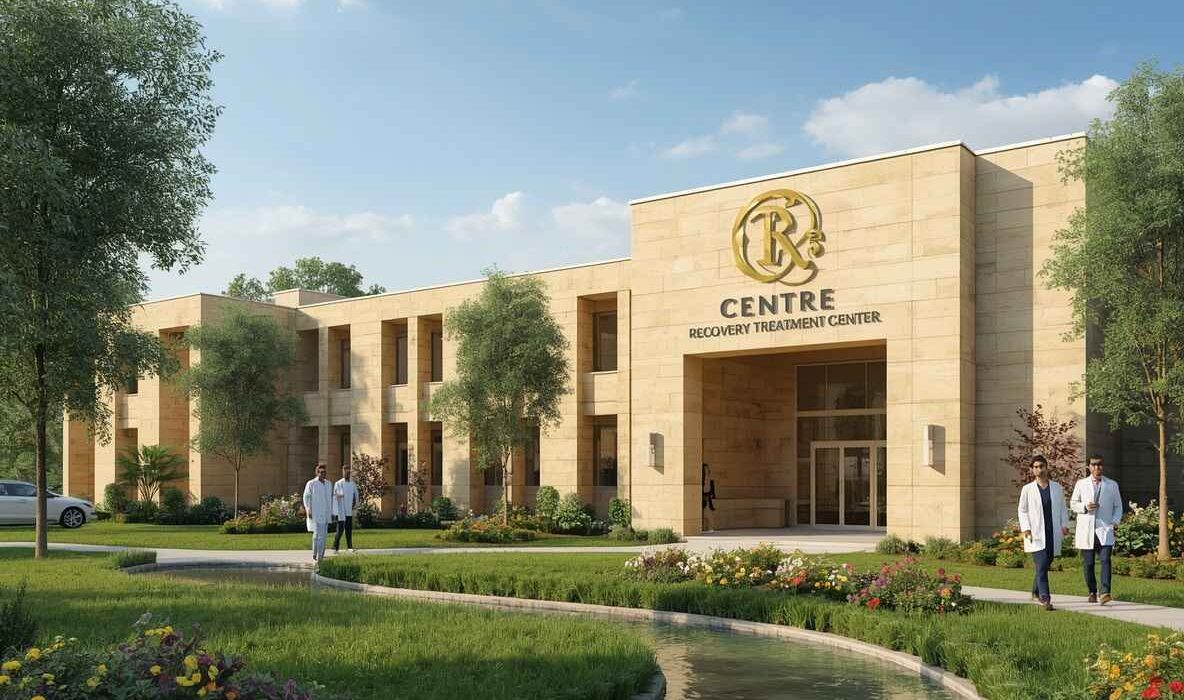
Healing Door Rehab Center’s recovery treatment program in Bani Gala, Islamabad is structured to address every stage of the clinical recovery process — not just the residential detox and rehabilitation phase.
Assessment: Comprehensive psychiatric and medical evaluation by Prof Dr. Jan Alam and Dr. Nasir Mehmood Abbasi. This determines the substance, severity, comorbid conditions, and social support context before any treatment plan is written.
Medical Detox: 24/7 monitored withdrawal management with medication-assisted symptom control, IV hydration, and nutritional support. Duration varies by substance: 7 to 14 days for opioids, 5 to 10 days for alcohol, 10 to 21 days for benzodiazepines.
Residential Rehabilitation: 30 to 90 days of structured daily programming including CBT, individual counseling, group therapy, family counseling, and psychiatric monitoring. The Mind, Body, and Soul program framework developed by HDRC and featured on ROZE NEWS and NEO TV underpins this phase.
Family Involvement: Structured counseling sessions for family members during the residential phase, plus written guidance for the post-discharge period.
Written Aftercare Plan: Every patient leaves with a documented plan — not a verbal recommendation — covering follow-up therapy, psychiatric monitoring, a crisis contact protocol, and family instructions for recognizing early relapse warning signs.
Female Rehabilitation: A structurally separate female program with qualified female clinical staff for female patients requiring gender-specific care.
HDRC is UNODC recognized, ANF Pakistan registered, IHRA Pakistan approved, and registered with the Islamabad Healthcare Regulatory Authority.
For families at the point of making a decision, the intake team is available 24 hours a day.
Call or WhatsApp: +92-314-992-2547 Email: hdrc.rehab@gmail.com Location: Opposite Mezan Bank, Main Jinnah Road, Bani Gala, Islamabad Website: healingdoorrehab.com
Program fees and structure vary based on clinical needs. Contact HDRC directly for current information.
How to Evaluate Any Recovery Treatment Center in Islamabad
Before committing to any facility, including HDRC, these are the questions that separate clinical capability from supervised accommodation:
- Does the center distinguish between detox, rehabilitation, and aftercare as separate clinical phases — or does it treat them as one program?
- Is there a named psychiatrist managing the clinical program, with verifiable credentials?
- Does the center assess and treat comorbid depression and anxiety alongside addiction?
- Does family counseling happen during the residential phase, or only at discharge?
- What does the written aftercare plan actually include? Ask to see a template.
- How does the center define “recovery”? If the answer is “staying clean,” that is not a clinical definition.
- Is there a dedicated female program, structurally separate from the male program?
- What accreditations does the facility hold?
HDRC answers all eight of these with specificity. That specificity is what distinguishes clinical recovery treatment from residential supervision.
CONCLUSION
Recovery treatment in Islamabad is not a single event. It is a staged, multi-month clinical process that includes medically supervised detox, structured residential rehabilitation, family involvement, and a written aftercare plan for the highest-risk post-discharge window. Pakistan has 6.7 million drug users and 4 million who meet clinical dependence criteria. The treatment gap is large. The recovery gap — between completing treatment and achieving stable long-term recovery — is larger.
Healing Door Rehab Center in Bani Gala closes that gap with a named psychiatric team, UNODC recognition, a three-body accreditation stack, and a recovery model that treats family involvement and structured aftercare as clinical requirements rather than optional extras. If you are evaluating recovery treatment options in Islamabad, the most useful next step is a direct, confidential conversation with the HDRC clinical team.
Call +92-314-992-2547. Available 24 hours a day, seven days a week.
Recovery is not a hope. It is a clinical process with a defined structure — and it works when the structure is followed completely.
FAQ SECTION
Q1: What does recovery treatment in Islamabad involve? Recovery treatment in Islamabad involves four distinct clinical phases: medically supervised detox, residential rehabilitation, structured aftercare, and long-term maintenance. It is not a single residential stay. Effective recovery treatment addresses the physical, psychological, and social dimensions of addiction simultaneously. At HDRC in Bani Gala, the program covers assessment, detox, CBT-based rehabilitation, family counseling, and a written aftercare plan covering the 6 to 12 months post-discharge when relapse risk is highest.
Q2: What are the 4 stages of addiction recovery? The four stages of addiction recovery are: Stage 1 — Initiation, covering medically supervised detox and early stabilization; Stage 2 — Early Abstinence, covering residential rehabilitation and psychological treatment; Stage 3 — Maintenance, covering the post-discharge period and relapse prevention; and Stage 4 — Advanced Recovery, covering long-term stability and life rebuilding. Each stage requires different clinical interventions and different levels of support. Most Islamabad rehab centers only address Stages 1 and 2.
Q3: What does recovery mean in addiction treatment? Recovery, as defined by the National Institute on Drug Abuse (NIDA), is an active, ongoing process of restoring physical health, building psychological resilience, and creating a life that no longer requires substances to function. It is different from sobriety, which is simply the absence of use. A person can be sober but not in recovery. The clinical distinction matters because most relapses in Pakistan occur among patients who achieved sobriety but did not complete the psychological and social dimensions of recovery.
Q4: What is the relapse rate for addiction treatment in Pakistan? A 2025 study published in the International Journal of Biomedical Research Pakistan found that heroin users in Pakistani rehabilitation settings showed a relapse rate of 58.8 percent, with methamphetamine users at 50 percent. Globally, 60 to 70 percent of individuals experience at least one relapse within the first year of recovery. After five years of consistent sobriety and structured support, that rate drops below 15 percent. The primary clinical predictors of relapse in Pakistan are untreated comorbid depression and absence of strong family social support.
Q5: Why is social support so important for recovery in Islamabad? A Quaid-i-Azam University study published in Jan-March 2025, conducted in Rawalpindi and Islamabad populations, found that perceived social support from family was the single most significant predictor of recovery quality and lower relapse rates. In Pakistan’s clinical context, formal community recovery resources are limited, meaning family carries a disproportionate share of the recovery support structure. HDRC’s family counseling program is designed to prepare families for this clinical role during both the residential phase and the post-discharge period.
Q6: What are the 5 C’s of recovery? The 5 C’s of recovery — a framework used in addiction clinical practice — are: Commitment (sustained engagement with the recovery process), Coping (developing skills to handle stress and triggers without substances), Connection (building supportive relationships that reinforce recovery), Care (ongoing clinical and psychiatric monitoring), and Continuation (maintaining engagement with therapy and support beyond residential treatment). At HDRC, all five are addressed across the treatment program and written aftercare plan.
Q7: What is the difference between a recovery treatment center and a detox center? A detox center manages the physical withdrawal phase, typically 7 to 21 days depending on the substance. A recovery treatment center provides the full clinical continuum: detox, rehabilitation, family counseling, psychiatric treatment, and aftercare planning. Choosing a detox-only center and expecting recovery outcomes is the most common and most expensive mistake families make in Islamabad. HDRC operates as a full recovery treatment center with all phases integrated under one clinical team.
Q8: How long does recovery treatment take at HDRC in Islamabad? Medical detox runs 7 to 21 days depending on the substance. Residential rehabilitation runs 30 to 90 days depending on severity and comorbid conditions. The structured aftercare period covers 6 to 12 months post-discharge. The full clinical engagement for moderate to severe addiction — the timeline that produces stable long-term recovery — is 9 to 15 months. Any center claiming complete recovery in 30 days is describing the residential phase only. Program fees and durations should be verified directly with HDRC at +92-314-992-2547.
Q9: Is there a separate recovery program for women at HDRC Islamabad? Yes. HDRC operates a structurally separate female rehabilitation program with qualified female clinical psychologists including Ms. Aneela Sarfraz and Ms. Ammarah Shaarif. Group therapy sessions are conducted in a female-only format. The program covers detox, rehabilitation, and aftercare with gender-appropriate clinical protocols. Admissions for female patients are handled with full confidentiality. The Bani Gala location provides geographic privacy from the city center.
Q10: How do I start recovery treatment at HDRC in Islamabad? Call or WhatsApp +92-314-992-2547, available 24 hours a day, 7 days a week. The intake conversation is confidential and carries no commitment to admission. Describe the situation — substance, duration of use, what has been tried, and any mental health concerns — and the team will advise on the appropriate level of care. Emergency admissions are accepted. You can also email hdrc.rehab@gmail.com or visit Opposite Mezan Bank, Main Jinnah Road, Bani Gala, Islamabad.