Drug Addiction Treatment Islamabad | HDRC 2026
Most people searching for drug addiction treatment in Islamabad aren’t doing research. They’re in the middle of something serious. A son who’s been awake for three days. A husband who keeps disappearing. A family that’s been covering for someone long enough that the whole household is breaking down.
This isn’t an abstract topic. It needs a direct, honest answer.
This guide covers how drug addiction treatment actually works in 2026, what separates a real clinical program from a facility that just keeps someone off the street for a few weeks, and what Healing Door Rehab Center (HDRC) specifically offers across its programs in Bani Gala, Islamabad.
What Drug Addiction Treatment Actually Involves
Treatment is not one event. It’s a process with four distinct stages, and the quality of each one determines whether recovery sticks.
Stage 1: Clinical Assessment. Before anything else, a proper facility evaluates the patient properly. Which substance, how long, what quantity, any co-occurring mental health conditions. This assessment shapes the entire treatment plan.
Stage 2: Medically Supervised Detoxification. The body needs to clear the substance under medical supervision. Withdrawal from alcohol, benzodiazepines, or opioids can turn dangerous fast. This stage requires a qualified physician on site, not just a nurse with a checklist.
Stage 3: Therapeutic Rehabilitation. This is where the actual behavioral work happens. CBT, DBT, group therapy, individual counseling, and family sessions. Most facilities in Pakistan handle the first two stages reasonably well. Stage 3 is where the gap shows up.
Stage 4: Relapse Prevention and Aftercare. A patient who leaves without a discharge plan and a clear relapse prevention structure is statistically likely to be back within six months. Good programs treat discharge as seriously as admission.
HDRC runs all four stages as a connected process. Not as separate services that happen to share a building.
Which Substances Does HDRC Treat
The Drug Problem in Islamabad Is Not What It Was Five Years Ago
Pakistan’s Anti-Narcotics Force (ANF) flagged in its 2025 assessment that methamphetamine, specifically crystal meth known locally as ICE or “ice nasha,” has become the fastest-growing addiction category in Islamabad and Rawalpindi. Heroin and cannabis haven’t gone away. But prescription drug dependency, particularly tramadol, pregabalin, and Xanax, has become a serious problem in urban areas partly because these drugs come from pharmacies with minimal gatekeeping.
HDRC treats the full range of substance dependencies that actually present in this city:
| Substance Category | Drugs Treated |
|---|---|
| Stimulants | ICE (crystal methamphetamine), cocaine |
| Opioids | Heroin, tramadol, prescription opioids |
| Benzodiazepines | Xanax (alprazolam), pregabalin (Lyrica) |
| Cannabis | Cannabis, synthetic cannabinoids |
| Alcohol | Alcohol use disorder, alcohol dependency |
| Inhalants | Glue, solvent, and inhalant dependency |
| Poly-substance | Multiple concurrent substance dependencies |
ICE is worth singling out because it behaves differently from most other substances in treatment. The physical withdrawal isn’t usually life-threatening, but the psychological presentation is brutal: severe anxiety, psychosis risk, weeks of disturbed sleep, depression that can feel permanent. That profile requires psychiatric input, not just detox management. HDRC’s ICE program integrates psychiatric assessment and medication management from the beginning specifically because of this.
Inpatient or Outpatient: Which One Is Actually Right
This is where most families make the wrong call. They pick outpatient because it causes less disruption. That reasoning makes sense on paper and fails regularly in practice.
Residential (Inpatient) Drug Treatment
The patient lives at the facility for the full program, typically 30, 60, or 90 days. The clinical rationale isn’t just about severity. It’s about removing the patient from the environment that’s sustaining the habit. If the home has other users, enabling family dynamics, easy access to the substance, or just the same physical spaces where the addiction lives, outpatient keeps the patient inside the problem.
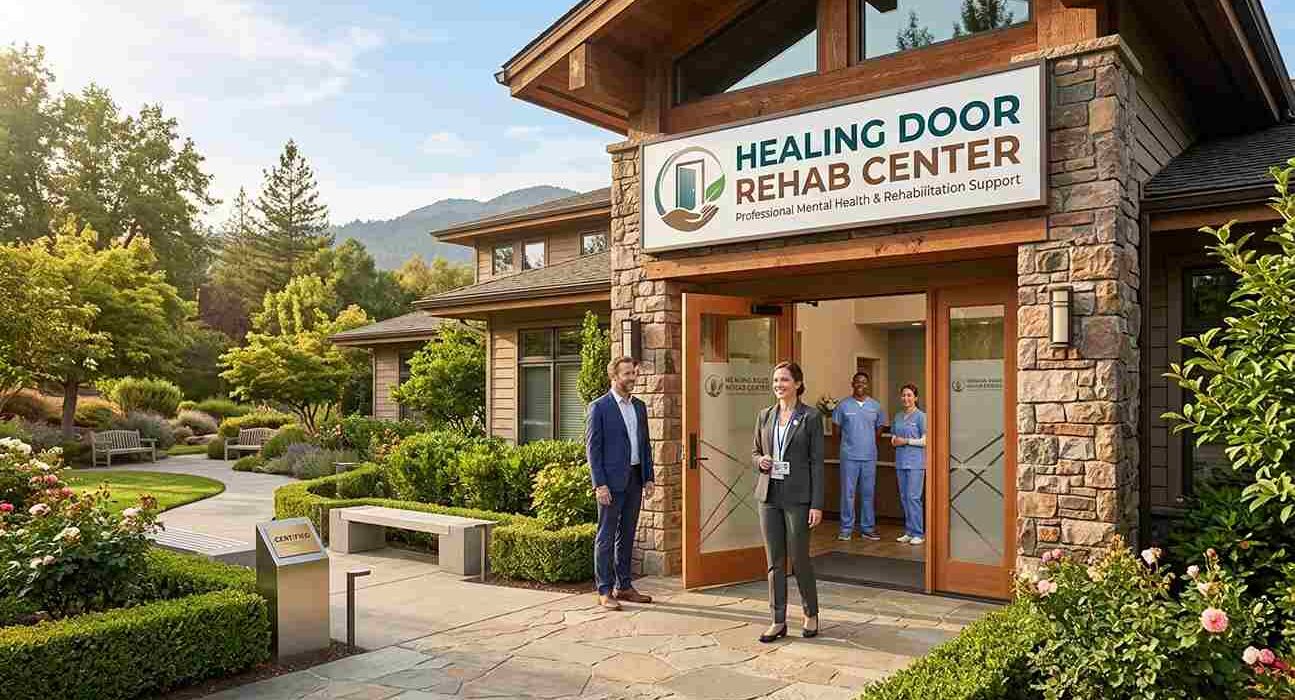
HDRC’s residential program operates in Bani Gala, Islamabad. The facility provides 24/7 medical monitoring, structured daily therapy, peer group sessions, and full psychiatric care in a setting removed from the city’s triggers and pressures.
Residential is the right choice when:
- The dependency is moderate to severe
- The home environment has active risk factors (other users, enabling patterns, easy access)
- A previous outpatient attempt already failed
- There’s an untreated psychiatric condition that needs close monitoring
- The patient has no real support network at home
Outpatient Drug Addiction Treatment
Scheduled therapy sessions, several times a week, while the patient continues living at home. This works when the home is genuinely stable, the addiction profile is earlier stage, and the family is informed and supportive.
Outpatient is appropriate when:
- The substance use is early to moderate in severity
- The home environment doesn’t carry active relapse risk
- The patient is stepping down from a completed residential program
- Work or family responsibilities make full residential admission genuinely impractical
The honest limitation: outpatient demands more internal regulation from the patient. If that regulation is currently compromised by active addiction, which it usually is, outpatient tends to delay the problem rather than solve it.
How HDRC Structures the Treatment Program
Phase 1: Psychiatric and Clinical Assessment
Every HDRC admission starts with a full evaluation, not a standardized intake form. The team, which includes qualified psychiatrists, clinical psychologists, and addiction specialists, assesses substance history, frequency and quantity of use, mental health status, physical health markers, and family context.
This step matters more than most families realize. A patient using ICE daily for two years with undiagnosed depression needs a completely different treatment pathway than someone with a tramadol dependency that developed after a surgery. Skipping proper assessment means building a treatment plan on guesswork.
Phase 2: Medically Supervised Detoxification
HDRC conducts detox under 24-hour medical supervision. Withdrawal management protocols vary significantly by substance. Alcohol and benzodiazepine withdrawal can produce seizures and cardiac complications without proper medical management. Opioid withdrawal is rarely life-threatening but can be severe enough that unmanaged patients walk out before it’s over.
Approximate detox timelines by substance:
- Alcohol and benzodiazepines: 5 to 10 days of active medical management
- Opioids (heroin, tramadol): 7 to 14 days
- Stimulants like ICE: physical stabilization within a few days, but psychological stabilization takes significantly longer
Phase 3: Therapeutic Rehabilitation
After medical stabilization, the behavioral work begins. HDRC uses evidence-based methodologies:
Cognitive Behavioral Therapy (CBT): Identifying and restructuring thought patterns that drive addictive behavior. One of the most clinically validated approaches for substance use disorders.
Dialectical Behavior Therapy (DBT): Particularly useful when emotional dysregulation or trauma history is part of the picture.
Motivational Interviewing: Builds the patient’s own internal motivation for change. External pressure from family or court orders doesn’t sustain recovery. Internal conviction does.
Group Therapy: Peer-led sessions that reduce shame, create accountability, and build social support skills that transfer into daily life post-discharge.
Family Therapy: This one is consistently underused in Pakistani rehab settings, and consistently matters. The spouse managing alone, the parent who hasn’t slept properly in months, the sibling covering for the person using. Treating only the patient while leaving the family dynamics unchanged reduces recovery odds significantly. HDRC includes family therapy as a structural part of the program.
Phase 4: Relapse Prevention and Aftercare Planning
Discharge without a concrete plan is one of the most common failure points in addiction treatment. At HDRC, discharge planning starts well before the patient leaves, not in the final 48 hours.
Each patient leaves with a written relapse prevention plan: identified triggers, specific coping strategies for each one, emergency contact protocols, and a scheduled post-discharge follow-up structure. Families returning to Islamabad, Rawalpindi, or surrounding areas maintain access to the HDRC clinical team after discharge.
When Addiction and Mental Health Overlap: Dual Diagnosis Treatment
A significant share of people seeking drug addiction treatment in Islamabad are also carrying an untreated mental health condition. Depression, anxiety, PTSD, bipolar disorder, and personality disorders co-occur with addiction at high rates. Often because the drug use started as a way to manage psychological pain that was never properly addressed.
Treating addiction without addressing the underlying psychiatric condition is one of the most reliable ways to produce a short-term result and a long-term relapse. Treating the mental health condition while ignoring the dependency doesn’t work either.
Dual diagnosis treatment means both get addressed simultaneously, by a coordinated clinical team. HDRC’s psychiatric staff, including consultant psychiatrists Prof. Dr. Jan Alam and Dr. M. Iqbal Khan, manages dual diagnosis cases with integrated psychiatric medication management and addiction therapy. This is different from facilities that send mental health cases to a separate department that doesn’t communicate with the addiction team.
HDRC’s Accreditation and Credentials
A rehab center’s trustworthiness should be verifiable, not just stated in marketing language.
| Credential | Details |
|---|---|
| UNODC Accreditation | United Nations Office on Drugs and Crime |
| IHRA Approval | International Harm Reduction Association, Pakistan |
| ANF Recognition | Anti-Narcotics Force, Government of Pakistan |
| Islamabad Healthcare Authority | Registered and regulated locally |
| 10+ Years in Operation | Established track record in the Islamabad market |
| ROZE News Feature | Publicly recognized for the Mind, Body, and Soul treatment program |
When evaluating any rehab in Islamabad, ask to see accreditation documentation directly. Any legitimate facility will hand it over without making you chase it.
Accreditation statuses are subject to renewal cycles. Verify current standing directly with the relevant bodies.
Six Questions to Ask Any Drug Rehab in Islamabad Before Committing
Most facilities list services. Fewer can actually answer these:
- Does the treatment plan start with a full psychiatric assessment, or is intake the same for every patient?
- Is medical detox supervised around the clock by a qualified physician, or by nursing staff working from a standard protocol?
- Does the facility handle dual diagnosis in-house, or refer psychiatric cases elsewhere?
- What specific therapy modalities does the program use, and are the therapists actually credentialed in them?
- What does the aftercare structure look like, and how long does post-discharge support continue?
- Is family therapy part of the program, or does treatment stop at the patient?
HDRC has a direct answer to all six. If another facility deflects or gives vague answers, that’s the answer.
Why Bani Gala Makes a Clinical Difference
Both HDRC and other Islamabad-based facilities operate in Bani Gala, and it’s not coincidental. The environmental dimension of addiction recovery is well-documented in clinical literature. Removing a patient from the specific geography of their addiction, the neighborhood, the contacts, the familiar routes, the corner where they used to score, reduces environmental cue exposure during the period when cravings are most acute.
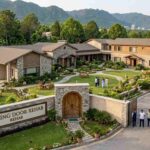
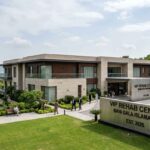
HDRC’s facility, located opposite Mezan Bank on Main Jinnah Road in Bani Gala, sits in a quieter, greener pocket of Islamabad. For patients coming from central Islamabad, Rawalpindi, or surrounding areas, the physical separation creates a real psychological boundary. That’s part of the treatment design.
Who This Is Actually For
Addiction treatment isn’t the same for every patient. Here’s how HDRC’s programs match specific situations:
Young adults with ICE or poly-substance dependency. Residential program, psychiatric assessment from day one, dual diagnosis evaluation, structured CBT. ICE cases generally need a minimum of 60 to 90 days for behavioral change to hold.
Working professionals with prescription drug dependency (tramadol, pregabalin, Xanax). These cases are often well-concealed. If the home environment is stable, structured outpatient may work. If the dependency is more severe, a short residential admission for medically managed detox followed by outpatient therapy is a practical approach. Family therapy is particularly valuable here, because prescription dependency tends to damage trust in ways that need direct clinical attention.
Families trying to help a resistant family member. Treatment cannot be legally compelled for adults. But HDRC offers crisis intervention support and family-facing guidance, helping families understand how to create conditions that make treatment more accessible without enabling the addiction in the meantime.
Women seeking confidential treatment. HDRC operates a dedicated female rehabilitation program with appropriate privacy, a female clinical environment, and confidentiality protocols. In a context where stigma is a genuine barrier to care, this is a meaningful clinical distinction, not a marketing category.
Not sure which program fits? Call HDRC directly. The initial conversation is confidential. It doesn’t lock anyone into admission. It gives the clinical team enough context to make an honest recommendation.
HDRC: +92-314-9922547 | hdrc.rehab@gmail.com | 24/7
Conclusion
Drug addiction treatment in Islamabad has developed considerably. Accredited facilities now exist that provide genuine clinical programs, medically managed detox, evidence-based therapy, psychiatric care, and structured aftercare, rather than just residential supervision with a counselor on staff.
Healing Door Rehab Center is one of the few UNODC-accredited facilities in the capital with a full multidisciplinary team spanning psychiatry, clinical psychology, and addiction medicine. The program runs from assessment through detox, behavioral rehabilitation, dual diagnosis care, and post-discharge planning as a connected clinical sequence.
Recovery doesn’t require a perfect moment. It requires a decision and a single phone call.
If you or someone you know needs drug addiction treatment in Islamabad, contact HDRC at +92-314-9922547, any hour of the day or night. The conversation is confidential. The decision stays yours.
Taking that first step is the hardest part. After that, there’s a structure, a team, and a clear path forward.
FAQ SECTION
Q1: What is drug addiction treatment and how does it work? Drug addiction treatment is a structured clinical process that helps a person stop using harmful substances and develop the tools to stay sober over time. It starts with a medical assessment and detox, then moves into behavioral therapy including CBT and group counseling to address the psychological drivers of addiction. A discharge plan and relapse prevention structure follow. Effective treatment runs over weeks to months. Programs that compress this into a few days rarely produce durable results.
Q2: How long does drug rehab take in Islamabad? Duration depends on the substance, severity, and whether a mental health condition is present alongside the addiction. Most residential programs run 30, 60, or 90 days. Heroin and ICE dependency typically need a minimum of 60 days for behavioral change to hold. Prescription drug cases like tramadol or Xanax dependency may need 3 to 4 weeks of residential detox followed by structured outpatient therapy. There’s no universal answer. A rushed program usually means a temporary result.
Q3: What is the difference between inpatient and outpatient drug treatment? Inpatient means the patient lives at the facility full-time and receives round-the-clock medical and therapeutic care. Outpatient means attending sessions several times a week while living at home. Inpatient is better when the home environment carries relapse risk, when the addiction is moderate to severe, or when a previous outpatient attempt already failed. Outpatient works when the patient has genuine family support and a lower-severity addiction profile. When in doubt, inpatient is the lower-risk starting point.
Q4: Is drug rehab in Islamabad confidential? Yes, both clinically and legally. A legitimate facility treats patient information with medical confidentiality. HDRC does not share patient information without consent. This matters significantly in the Pakistani context, where social stigma around addiction is a real concern for many families. If confidentiality is critical, ask any facility directly how they manage patient identity and family communication before agreeing to admission.
Q5: Does HDRC treat ICE (crystal meth) addiction? Yes. HDRC has a dedicated ICE rehabilitation program. According to ANF’s 2025 assessment, methamphetamine is now the fastest-growing addiction category in Islamabad and Rawalpindi. ICE withdrawal is primarily psychological, involving severe depression, anxiety, psychosis risk, and prolonged sleep disruption, which requires psychiatric supervision from the start. HDRC addresses ICE addiction through medically managed stabilization, psychiatric assessment, and structured CBT-based rehabilitation.
Q6: What is dual diagnosis treatment and does HDRC offer it? Dual diagnosis refers to a patient carrying both a substance addiction and a co-occurring mental health condition such as depression, anxiety, PTSD, or bipolar disorder. These conditions frequently develop together and sustain each other. Treating only one while ignoring the other produces partial and often temporary results. HDRC’s psychiatric team, including qualified consultant psychiatrists, manages dual diagnosis cases with integrated treatment addressing both conditions concurrently within a single coordinated plan.
Q7: How much does drug addiction treatment in Islamabad cost? Costs vary based on program type, duration, facility quality, and clinical team composition. Residential programs at accredited facilities in Islamabad generally range from PKR 80,000 to PKR 250,000 or more per month depending on program depth. Contact HDRC directly for current pricing, as treatment packages are tailored to individual cases. Always verify current fees directly with the facility before making any decisions, as pricing changes over time.