Best Rehab Center in Islamabad 2026 | HDRC Guide
You’re searching for the best rehab center in Islamabad under pressure. A family member is struggling. Time feels short. And every facility’s website says the same thing: ‘best care,’ ‘experienced team,’ ‘lasting recovery.’ None of it helps you make an actual decision.
The problem isn’t a shortage of rehab centers in Islamabad. It’s knowing which ones offer genuine clinical treatment versus comfortable accommodation with minimal therapeutic value. That distinction matters enormously and almost no one explains it clearly.
This guide gives you the framework to evaluate any center honestly, explains what quality addiction treatment actually looks like in 2026, and shows how Healing Door Rehab Center (HDRC) UNODC-accredited with 10+ years of clinical experience approaches rehabilitation differently from facilities that overpromise and underdeliver.
What ‘Best Rehab Center in Islamabad’ Actually Means And What It Doesn’t
The best rehabilitation center in Islamabad is not the most expensive one, the one with the nicest rooms, or the one that appears first in Google results. Those signals are marketing outputs. They say nothing about clinical quality.
A rehab center earns the label ‘best’ when it consistently delivers three things: medically supervised detoxification, evidence-based psychological treatment, and a structured aftercare plan. Remove any one of those three and you have an incomplete program — regardless of how the facility is priced or photographed.
In reviewing how families in Rawalpindi and Islamabad make this decision, a recurring pattern emerges: the initial choice is driven by proximity and cost, but the regret when it comes is almost always about clinical depth. The center seemed fine until the patient relapsed two months after discharge because nothing was done about the underlying depression or trauma.
The Three-Layer Test for Any Rehab Center
Before committing to any facility, apply this three-layer test:
- Medical layer — Does the center have qualified, on-site medical staff available around the clock? Not on-call. On-site.
- Psychological layer — Is there a structured therapy schedule? CBT, group sessions, individual counseling — not occasional talks with a counselor.
- Aftercare layer — What specifically happens after discharge? If the answer is vague, the center has not planned for the most important phase of recovery.
A center that passes all three is worth a conversation. A center that fails even one requires a very good explanation before you proceed.
The 5 Gaps Most Rehab Center Comparisons in Islamabad Never Address
Online content about rehab centers in Islamabad is almost uniformly surface-level. Here are five questions that matter and that almost no competitor article answers:
Gap 1: What Happens When Detox Is Not Enough?
Detox removes the substance from the body. It does nothing about why the person started using or what emotional state they return to when they leave. A 2019 study in Public Health (Ghazal et al.) found that 46% of patients admitted to Pakistani rehabilitation centers had comorbid depression. If that depression is untreated, the patient is essentially being stabilized and released back into the same psychological conditions that drove the addiction.
The best rehab centers in Islamabad address addiction and co-occurring mental health conditions simultaneously. This is called dual-diagnosis treatment. Ask any center you’re evaluating whether they offer it — and whether their psychiatrist is on-site or only available by referral.
Gap 2: Female Patients Are an Underserved Segment
Most rehab content in Islamabad is written as if all patients are men. In reality, women face unique barriers: stronger social stigma, fear of family judgment, and often a different addiction profile (higher rates of prescription medication dependency, anxiety disorders, and trauma). Very few centers in Islamabad offer gender-specific programming.
HDRC operates a dedicated female rehabilitation program with a private, judgment-free environment and an all-female support structure. This is not a minor operational detail — for many female patients and their families, it is the deciding factor between seeking help and not seeking help at all.
Gap 3: Cost Transparency Is Almost Universally Avoided
Every family wants to know what treatment costs. Almost no rehab website in Islamabad tells them. As of 2026, costs at quality Islamabad centers range from approximately PKR 80,000 to PKR 450,000 per month depending on program type, accommodation, and medical complexity. These figures are estimates — verify current pricing directly with each center.
What families often discover mid-treatment is that the quoted rate excluded medication costs, specialist consultations, and diagnostic fees. Always ask for an all-inclusive written quote before admission. Any center that resists providing one is signaling a commercial practice that should concern you.
Gap 4: 10 Years of Experience Means Very Different Things at Different Centers
Several facilities in Islamabad cite decades of experience in their marketing. Experience is only meaningful when it is attached to qualified clinical staff, verified patient outcomes, and regulatory compliance. HDRC has 10+ years of operating history, UNODC accreditation, IHRA approval, and recognition from the Anti-Narcotics Force Pakistan — credentials that are independently verifiable, not self-declared.
When evaluating experience claims, ask: What are the qualifications of your lead clinicians? Are they registered with the Pakistan Medical Commission or Pakistan Psychological Association? Can I verify that? Centers with genuine credentials answer these questions without hesitation.
Gap 5: What Motivational Interviewing Means for Resistant Patients
Families frequently ask whether they can force a loved one into treatment. Pakistan’s legal framework does allow family-authorized admissions under certain conditions. But clinical evidence consistently shows that patients who enter treatment with even reluctant internal readiness have significantly better outcomes than those admitted entirely involuntarily.
The best centers use Motivational Interviewing — a structured clinical technique that helps patients find their own reasons to engage with treatment — before or at admission. A center that simply processes an involuntary admission without this approach is managing a patient, not treating one. Ask how the center handles resistant patients.
How Rehab Centers in Islamabad Compare: What to Look for in 2026
Use this framework when evaluating any rehabilitation center in Islamabad. These are the factors that determine clinical quality — not facility aesthetics or marketing claims.
| Evaluation Factor | What Good Looks Like | Red Flag |
| Regulatory Status | UNODC-accredited, IHRA-approved, ANF-recognized | No verifiable accreditation |
| Medical Staff | On-site psychiatrist + physician, 24/7 availability | On-call only, no psychiatrist |
| Therapy Structure | Daily CBT, group sessions, individual counseling | Unstructured or counselor-only |
| Dual-Diagnosis | Addiction + mental health treated simultaneously | Addiction-only focus |
| Female Services | Dedicated gender-specific program available | No female-specific provision |
| Cost Transparency | All-inclusive written quote provided upfront | Vague pricing, mid-treatment surprises |
| Aftercare Plan | Specific, personalized plan built before discharge | No structured post-discharge support |
| Family Involvement | Structured family counseling sessions included | Family kept uninvolved |
| Experience | Verified credentials, regulatory recognition | Self-declared experience only |
What Treatment at Healing Door Rehab Center (HDRC) Actually Looks Like
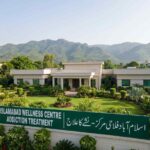
Healing Door Rehab Center is located in Bani Gala, Islamabad — opposite Meezan Bank on Main Jinnah Road. The location matters: Bani Gala provides the physical separation from urban using environments that inpatient treatment requires, while remaining accessible to families across Islamabad and Rawalpindi.
HDRC is accredited by UNODC, approved by IHRA Pakistan, and recognized by the Anti-Narcotics Force Pakistan. It has been featured on ROZE NEWS and NEO for its Mind, Body, and Soul treatment approach. These are independently verifiable credentials, not taglines.
The Clinical Team
The HDRC team includes Dr. Asad Ali Noor (CEO, Consultant Psychologist, Addiction Therapist), Dr. Nasir Mehmood Abbasi (Medical and Addiction Specialist), Prof. Dr. Jan Alam (Consultant Psychiatrist and Psychotherapist), Dr. Shahid Ikram (UTC Advanced-Trained Addiction Treatment Professional), Ms. Aneela Sarfraz (Consultant Clinical Psychologist), and Dr. M. Iqbal Khan (Psychiatrist), among others.
Having a Consultant Psychiatrist of Prof. Dr. Jan Alam’s caliber available as part of the clinical team — not as a referral option — is a meaningful differentiator. It means psychiatric assessment and medication management for co-occurring conditions like depression, PTSD, and anxiety disorders is built into the treatment pathway, not added on when problems become visible.
Services Offered at HDRC Islamabad
- Drug addiction treatment using CBT, group therapy, and individualized recovery plans
- Medically supervised detoxification with 24/7 clinical monitoring
- Alcohol abuse treatment with tailored relapse prevention
- Psychiatric services for anxiety, depression, PTSD, schizophrenia, and personality disorders
- ICE (crystal methamphetamine) rehabilitation — a specialist program given the growing prevalence of ICE in Pakistan
- Female rehabilitation — a dedicated, private, women-only program
- In-house medical clinic for ongoing healthcare and medication management
- Mental health clinic for mood disorders, psychosis, and trauma
Both inpatient and outpatient options are available. For active addiction, inpatient is the recommended starting point. The HDRC emergency line is available 24/7 at +92 314 992 2547.
The Mind, Body, and Soul Approach
HDRC’s treatment framework addresses three dimensions simultaneously: physical stabilization through medically supervised detox, psychological healing through structured therapy and psychiatric care, and emotional recovery through group support, family involvement, and aftercare planning.
This model is not cosmetic. It reflects the clinical reality that addiction is a condition with biological, psychological, and social dimensions — and that treating only one of them produces temporary results.
Inpatient vs Outpatient Rehab in Islamabad: Making the Right Call
Inpatient rehabilitation means the patient lives at the facility for the duration of treatment. Outpatient means they attend sessions while living at home. The right choice depends on the severity of dependency, the presence of co-occurring conditions, and the stability of the home environment.
When Inpatient Is the Correct Starting Point
For moderate to severe addiction — particularly to substances like heroin, ICE, or alcohol — inpatient treatment is almost always the appropriate first level of care. The reasons are clinical, not commercial:
- Withdrawal from certain substances requires 24/7 medical monitoring for safety
- Removing the patient from their using environment eliminates access to the drug and disrupts using relationships
- The intensity of daily structured therapy in a residential setting cannot be replicated in outpatient visits
- Co-occurring mental health conditions require consistent, supervised clinical management
When Outpatient Works — and When It Doesn’t
Outpatient rehab is appropriate as a step-down from residential treatment, or for individuals with mild dependency, strong family support, and no significant psychiatric comorbidity. It is not appropriate as a first-line option for severe dependency. The research is consistent on this point: clinical outcomes for severe opioid and stimulant addiction are significantly worse in outpatient-only settings compared to residential care followed by outpatient step-down.
If a center recommends outpatient treatment for someone with severe heroin or ICE dependency, ask specifically why inpatient was ruled out. The answer will tell you something important about how the center approaches clinical decision-making.
How Much Does Rehab Cost in Islamabad? What Families Need to Know
Cost is a legitimate consideration. Avoiding it helps no one. Here is what the 2026 pricing landscape in Islamabad looks like in practical terms.
Standard inpatient programs at regulated centers typically run from PKR 80,000 to PKR 200,000 per month. Premium or specialty programs — including those with round-the-clock psychiatric care, private accommodation, or specialist addiction medicine — range from PKR 200,000 to PKR 450,000 per month. These are market estimates; pricing varies by center and program type. Always confirm current pricing directly.
| Program Type | Typical Monthly Range (PKR) | What’s Usually Included |
| Standard Inpatient | 80,000 – 150,000 | Accommodation, group therapy, basic medical care |
| Clinical Inpatient | 150,000 – 250,000 | Psychiatric care, CBT, individual counseling, detox |
| Premium Inpatient | 250,000 – 450,000 | Private room, specialist team, full dual-diagnosis support |
| Outpatient (Step-Down) | 30,000 – 80,000 | Therapy sessions, psychiatric follow-up, no accommodation |
Hidden costs are the most common source of family frustration mid-treatment. Always ask these questions in writing before admission: Are medications included? Are specialist consultations separate? Are diagnostic tests billed additionally? Is family therapy included or extra? A reputable center answers all of these clearly.
Note: All pricing is subject to change. Verify current fees directly with HDRC or any center you’re considering at healingdoorrehab.com or by calling +92 314 992 2547.
Warning Signs: When to Walk Away From a Rehab Center
Choosing the wrong center is worse than taking more time to choose the right one. These are the signals that should stop the conversation:
- The center cannot name its regulatory accreditation or provide documentation
- There is no on-site psychiatrist — only visiting consultants or referrals
- The treatment plan is described in vague terms (‘we use a holistic approach’) without specifying therapeutic modalities
- The center pressures families to commit before completing a proper clinical assessment
- Pricing questions are deflected or answered with ‘we’ll discuss that after admission’
- Family contact during treatment is actively discouraged rather than structured
- The facility claims a very high or guaranteed success rate — no ethical clinical program makes this claim
- There is no mention of aftercare planning until the patient is near discharge
None of these are edge cases. They represent common practices among lower-quality facilities operating in Pakistan’s largely under-regulated rehabilitation sector. Taking the time to ask these questions directly — and listening carefully to the answers — is the most important research a family can do.
Taking the Next Step: How to Start the Process at HDRC
If you’ve read this far, you’re making a serious decision. The next step is a conversation, not a commitment.
HDRC offers confidential consultations for patients and families. The clinical team can assess the situation, explain which program level is appropriate, answer questions about cost and structure, and guide families through the admission process without pressure.
The emergency line is available 24 hours a day, seven days a week. For non-urgent inquiries, the center is open from 8:00 AM to 9:00 PM. You can also review services and team qualifications at healingdoorrehab.com before making contact.
Phone / WhatsApp: +92 314 992 2547
Email: hdrc.rehab@gmail.com
Address: Opposite Meezan Bank, Main Jinnah Road, Bani Gala, Islamabad
Website: healingdoorrehab.com
Recovery starts with one decision. The hardest part is making it. Everything after that — the clinical work, the family sessions, the aftercare — is structured support. That structure exists at HDRC because it has been built over more than a decade of treating real patients with real outcomes.
Choose a center that can explain exactly what they’ll do and why. That clarity is itself a trust signal.
Frequently Asked Questions
Q1: What makes HDRC the best rehab center in Islamabad?
HDRC combines three things that genuinely matter: verified regulatory accreditation (UNODC, IHRA, ANF recognition), a multidisciplinary clinical team including on-site psychiatrists and addiction specialists, and over 10 years of operational experience. It also offers services most centers don’t — including a dedicated female rehabilitation program, ICE-specific treatment, and an in-house psychiatric clinic. That combination is rarer than the marketing around the word ‘best’ would suggest.
Q2: How long does rehabilitation treatment take at a center in Islamabad?
Program length depends on the type and severity of addiction. Short-term programs typically run 30 days and are best suited for mild to moderate cases. Clinical standards for severe addiction — including heroin, ICE, and alcohol dependence — point to 90 days as the minimum for durable outcomes. Research published in BMC Public Health (2024) confirms that longer treatment duration is significantly associated with better recovery indicators. Some cases require extended care beyond 90 days.
Q3: Does HDRC offer treatment for female patients?
Yes. HDRC operates a dedicated female rehabilitation program with a private, judgment-free environment and an all-female support structure. This is one of very few gender-specific programs available among Islamabad’s rehabilitation centers. For female patients and their families where privacy and cultural sensitivity are priorities, this program addresses needs that a standard co-ed facility cannot.
Q4: What is the difference between inpatient and outpatient rehab?
Inpatient means the patient lives at the facility, receiving 24/7 clinical care throughout the program. Outpatient means the patient attends therapy sessions while living at home. For moderate to severe addiction — particularly opioids, ICE, or alcohol — inpatient is the appropriate starting point. Outpatient works as a step-down after residential treatment, or for mild cases with strong home support. For active severe dependency, outpatient-only treatment has significantly lower success rates.
Q5: How much does rehab in Islamabad cost in 2026?
As of 2026, monthly costs at quality regulated centers range from approximately PKR 80,000 to PKR 450,000 depending on program type, accommodation, and clinical complexity. These are market estimates. Always request an all-inclusive written quote — covering medication, consultations, and diagnostics — before admission. Hidden mid-treatment charges are one of the most common sources of family dissatisfaction in this sector. Contact HDRC directly at healingdoorrehab.com for current pricing.
Q6: Is treatment at a rehab center in Islamabad confidential?
Yes. Reputable rehabilitation centers maintain strict patient confidentiality as a standard clinical and ethical obligation. Patient admission status, treatment details, and personal information are not disclosed to employers, extended family, or external parties without explicit patient consent. For patients and families concerned about social stigma — which remains a real barrier to treatment-seeking in Pakistan — confidentiality should be confirmed directly with the center before admission.
Q7: Can families be involved in a patient’s treatment?
Yes, and they should be. Clinical evidence consistently shows that family involvement improves recovery outcomes. This means structured family counseling sessions — not just periodic updates. At HDRC, family engagement is built into the treatment pathway. Families that understand the nature of addiction and learn to support recovery without enabling dependency are a measurable protective factor against relapse. Any center that discourages family contact throughout treatment is removing a significant clinical resource.
Q8: Does HDRC treat ICE (crystal methamphetamine) addiction?
Yes. HDRC has a specialist ICE rehabilitation program. ICE addiction is increasing in Pakistan and presents distinct clinical challenges compared to opioid dependency — particularly around psychosis, paranoia, and behavioral volatility during withdrawal. The HDRC program addresses these specifically through supervised detox, psychiatric management of ICE-induced symptoms, and structured behavioral therapy. If ICE is the primary substance of concern, ask specifically about a center’s experience with this addiction profile.
Q9: What is dual-diagnosis treatment and does HDRC offer it?
Dual-diagnosis treatment addresses addiction and a co-occurring mental health condition — depression, anxiety, PTSD, or bipolar disorder — simultaneously rather than sequentially. It matters because roughly 46% of patients admitted to Pakistani rehabilitation centers present with comorbid depression (Ghazal, Public Health, 2019). Treating addiction alone while leaving the mental health driver unaddressed produces temporary stabilization, not lasting recovery. HDRC’s on-site psychiatric team is equipped to provide dual-diagnosis care as part of standard treatment.
Q10: What should I ask a rehab center before making a decision?
Ask eight things: What is your regulatory accreditation? Is there an on-site psychiatrist? What does the daily therapy schedule look like? What is the staff-to-patient ratio? How are families involved? What does aftercare look like? Do you treat co-occurring mental health conditions? Can you provide an all-inclusive written cost quote? Centers with genuine clinical programs answer all of these clearly and without deflection. Evasion on any of these points is a signal worth taking seriously.