Ice Addiction Recovery: How Bilal Came Back From Ice Psychosis in Five Months
By Asad Noor · Medically reviewed by Dr M. Iqbal Khan, Psychiatrist (MBBS, MCPS) · Last reviewed: 13 November 2026
About this story. Based on real recovery journeys at Healing Door. Names, places and details have been changed to protect privacy. The doctors named lead these stages of care; the words spoken in the story are not theirs.
At ten past two on a Thursday night, Bilal’s sister Sana sent a WhatsApp message to a number she had found on Google an hour earlier. It said: “Mera bhai ice leta hai. Abhi usne kamre ka sheesha tor diya hai aur kehta hai abbu ne khane mein zeher milaya hai. Hum kya karein?”
Bilal was 26. He had not slept in four days. His hand was bleeding from the broken mirror, his father was standing outside the locked door, and his mother was sitting on the stairs reciting Ayat ul Kursi.
This is the story of what happened after that message: how a family in Rawalpindi got a son into treatment who swore he did not need it, and what the next five months actually looked like, week by week.
Ice addiction recovery: the short answer
If you have only a minute, this is what Bilal’s family wish someone had told them on the first night:
- The crash takes days. After stopping ice (crystal meth), most people sleep and eat heavily for two or three days. This is when ice ka nasha utarta hai.
- Withdrawal takes weeks. Low mood, irritability and craving usually last one to three weeks, sometimes longer after heavy use.
- Recovery takes months. Learning to live without the drug, treating any psychosis or depression, and repairing family life usually takes three months of structured treatment and several more months of follow-up.
- There is no single tablet that cures ice addiction. What works is medical and psychiatric care, CBT, family therapy and a relapse prevention plan, the same approach that runs through our drug addiction treatment in Islamabad.
- Recovery is possible. The brain’s dopamine system can recover a great deal with long-term abstinence, as research on people who stayed off methamphetamine has shown.
What ice is, in plain words
Ice is the street name in Pakistan for crystal methamphetamine (meth), a powerful stimulant. It looks like small glass-like crystals and is usually smoked in a small glass pipe, which many families in Pakistan call the “ice bottle”. It keeps a person awake, talkative and confident for hours or days, and then leaves them exhausted and low. Heavy use can cause paranoia, hallucinations and violent mood swings. Our article on how ice nasha affects mental health covers the drug itself in more detail. This story is about what comes after: recovery.

How it started: “Bas exams ke liye”
Bilal first tried ice in his final year of a BBA degree. A hostel friend said it would keep him awake for exams. It did. He studied for two nights straight, passed, and remembers thinking it was the best tool he had ever found.
For the first year it was a weekend thing. Then it was a “work thing”, once he got a night-shift job at a call centre in Islamabad. By 24 he was smoking most days. By 25 he was going on binges of three or four days without proper sleep or food, then crashing for two days at home.
The signs of ice addiction his family missed (ice ka nasha ki alamat)
His family noticed the signs long before they understood them:
- He lost about 12 kilos in a year and said it was “gym”.
- He stopped eating with the family and stayed in his room with the door locked.
- He talked fast, laughed at odd moments, and picked fights over nothing.
- Money disappeared: first his salary, then his motorcycle, then two of his mother’s gold bangles.
- He started saying the neighbours had put cameras in the ceiling fan.
- He stayed awake for two or three nights, then slept for almost two days.
- His mouth was always dry, he clenched his jaw, and his teeth started to look bad. Doctors sometimes call this “meth mouth”.
- He picked at small sores on his arms and face.
- Sana once found a small glass pipe with burnt residue and a lighter in his jacket. She did not know what it was.
If you recognise several of these at once, especially no sleep for days followed by heavy sleep, ice is one of the first things to ask a doctor about.
What the family tried first
Like most families in Pakistan, Bilal’s parents tried everything they could think of before they called a treatment centre. None of it was foolish. It just was not enough for an illness that changes how the brain works.
| What they tried | Why it seemed right | What happened |
|---|---|---|
| Hiding it from relatives | “Log kya kahenge? Sana ka rishta chal raha hai.” | The family carried it alone for almost two years |
| Taking him to a pir for taweez | His mother believed it was nazar | He wore it for a week, then threw it away during a binge |
| Locking him at home | “Agar bahar nahi jayega to milega kahan se” | He climbed out of the window on day two |
| A local doctor’s sleeping pills | He couldn’t sleep | He mixed them with ice, which made his mood worse |
| A mamu’s advice: get him married | “Shaadi kar do, zimmedari aayegi to theek ho jayega” | His father refused, which was the right call |
| Stopping at home, three times | Bilal promised each time | He used again within four to nine days, every time |
That last row matters. Bilal was not lying when he promised. The days after stopping ice are a crash of exhaustion, low mood and craving, and most people who try to get through them alone are using again within a week or two. Quitting meth is not a question of willpower alone, which is why our guide on how to overcome crystal meth addiction starts with medical help, not promises.
The night everything changed
What made the Thursday night different was not the drug. It was the fear. Bilal believed, completely, that his father was trying to poison him. That belief is called drug-induced psychosis, and it is one of the most serious effects of heavy ice use. Lack of sleep makes it far worse.
When the admissions team called Sana back a few minutes after her message, they asked three questions first:
- Is anyone in immediate danger right now?
- Does he have a weapon or anything he could use to hurt himself?
- Is he injured?
The cut on his hand was not deep. Nobody was in immediate danger, as long as the family stopped arguing with him through the door. The advice was simple: do not try to prove the food is safe, do not threaten him, leave water outside the door, and keep one calm person nearby. If he became violent or the bleeding got worse, they were to call 1122 or go to the nearest emergency department.
By morning Bilal had fallen asleep. The real work started when he woke up.
How Bilal was admitted
The hardest part of Bilal’s story, as in most ice cases, was not treatment. It was getting him through the door.

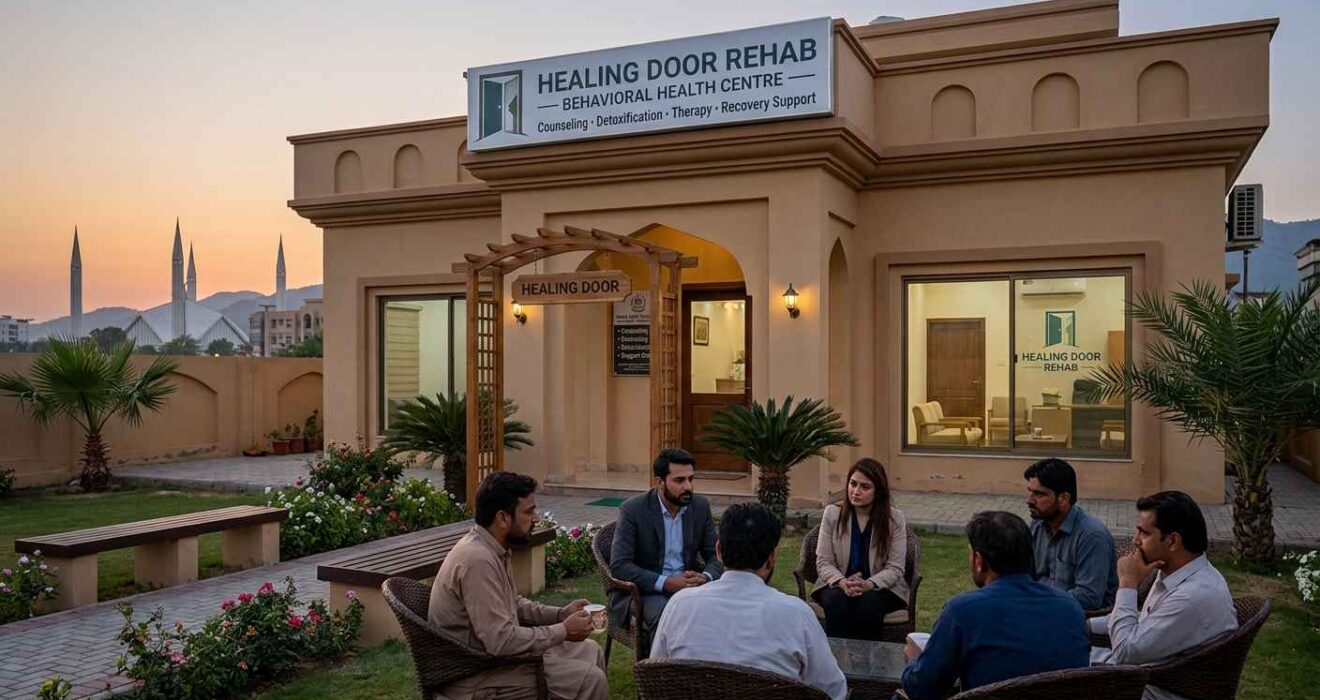
Day 1: the family came alone. His father, Sana and his mamu (the same one who had suggested marriage) drove to Healing Door Rehab in Bani Gala, Islamabad for a free, confidential family meeting. The team listened to the full history: when it started, how much, what else he took, the sleeping pills, the paranoia, any suicidal talk. They explained the options and gave the estimated cost in writing before anything was agreed.
Day 2: the conversation at home. The family did not ambush him. They waited until he had slept and eaten, and his mamu, whom Bilal respected most, spoke to him alone. He used words the team had suggested:
“Hum tumse naraz nahi hain, hum dar gaye hain. Sirf ek baar doctor se mil lo. Agar woh kahein tumhe zaroorat nahi, to hum baat khatam kar denge.”
Bilal said no. Then, two hours later, he said he would “just meet the doctor, nothing else”.
Day 3: the assessment. (At Healing Door, psychiatric assessment for ice psychosis is led by Dr M. Iqbal Khan, Psychiatrist, MBBS, MCPS.) A psychiatrist saw him the same afternoon. Bilal was still suspicious and tired, but calmer. The psychiatrist explained what psychosis is, that it is common after ice binges, and that it usually settles with sleep, time away from the drug and short-term treatment. Bilal agreed to stay “for a week”.
He stayed for a little over three months in residential treatment, and then continued in outpatient aftercare.
A note for families: an adult cannot simply be admitted against their will because they use drugs. Pakistan’s Mental Health Ordinance 2001 covers people with a mental disorder who are a risk to themselves or others, and requires doctors’ written recommendations. In practice, most ice patients come in the way Bilal did: after a crisis, a calm conversation and one person they trust. Our page on how admission works has more on what to do if your family member refuses.
Bilal’s recovery, month by month
Month 1: ice withdrawal, the psychosis and the first decision to stay
Days 1 to 3. Bilal slept 16 to 18 hours a day and ate everything he was given, especially sweet things. This is the classic ice crash, and it is what people mean when they ask “ice ka nasha kaise utarta hai”. There is no medicine that makes the crash go faster. This stage is medically supervised detox: the medical team checked his vital signs, his hand, his sleep and his mood several times a day. Blood tests looked for dehydration and other problems from months of poor eating. (Medical monitoring during detox at Healing Door is supervised by Dr Shahid Ikram, Physician & Addiction Treatment Specialist.)
The psychosis. On the second day he still believed cameras were watching him. The psychiatrist started a low dose of medicine to calm the paranoia and help him sleep, with close observation. By around day six the camera belief had faded. By the end of the second week he was calling it “woh pagalpan” and was embarrassed about it. In most people, ice psychosis settles within days to a few weeks once the drug stops. When it does not, the team behind our psychiatric services in Islamabad looks carefully at whether another illness, such as schizophrenia or bipolar disorder, is also present. (At Healing Door, cases where psychosis does not settle are reviewed by Prof Dr Jan Alam, Consultant Psychiatrist & Psychotherapist.) Bilal’s did settle, and his medicine was tapered off later under supervision.
Days 4 to 10. This was the hardest week for everyone. Bilal was awake now, but flat, irritable and craving. On day six he packed his bag and said, “Main bilkul theek hun, mujhe ghar jana hai.” His counsellor did not argue. She asked him to wait 24 hours and to write down what he would do on his first night home. He could not write anything that did not include his old friends. He unpacked the next morning.
Weeks 2 to 4. Sleep moved back towards a normal pattern. He joined the daily routine: morning walk, group sessions, one-to-one counselling, meals at fixed times, and Fajr and Maghrib prayers with other patients who chose to join. He was screened regularly for suicidal thoughts, because the low mood after ice can be dangerous. He described feeling “empty” but not wanting to die, and the team kept checking.
Month 2: why he used, and what to do instead
Once the fog lifted, therapy could start properly. Bilal worked with a psychologist using cognitive behavioural therapy (CBT), which has the strongest evidence of any talking therapy for stimulant addiction. (CBT at Healing Door is led by clinical psychologists, including Dr Muhammad Rizwan, Clinical Psychologist.)
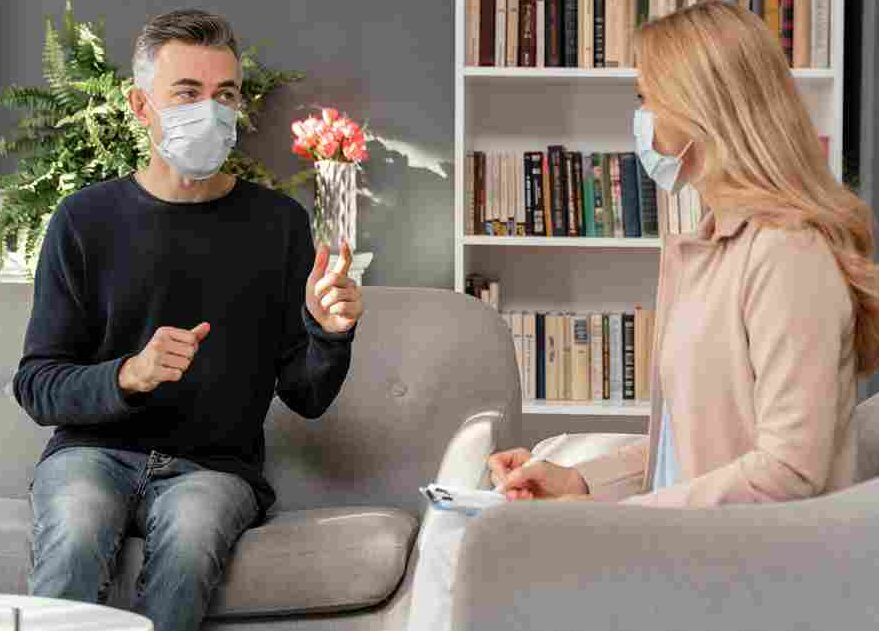
Together they mapped his triggers. Most were not dramatic:
- Night shifts and the 4 am break, when the “work friends” used
- Cash in his pocket on salary day
- One particular friend’s phone number
- Feeling useless after an argument with his father
- Late nights alone on his phone
For each trigger, he built a specific plan. He handed his salary card to his father by agreement for the first six months. He changed his SIM. He practised a refusal line in his own words: “Yaar, main chhor chuka hun. Chai pilao, woh nahi.” He learned to ride out cravings, which usually peak and fade within 20 to 30 minutes if you do not act on them, and he kept a daily craving diary.
The depression. By week six, his mood was still low most days. He had lost interest in cricket, food and friends, and he said he felt like a failure. Some low mood is normal for weeks after ice, but this had lasted longer than expected. The psychiatrist diagnosed a depressive episode alongside the addiction and started treatment for depression, including an antidepressant, with follow-up every week. Treating both together is called dual diagnosis care. Over the next month his sleep, appetite and interest slowly came back.
Month 3: the family’s turn
Addiction had changed the whole household, not only Bilal. In family therapy sessions, his parents and Sana worked on things that had become habits over two years. (Family therapy at Healing Door is overseen by Dr Asad Ali Noor, Consultant Psychologist & Addiction Therapist.)
- His mother’s guilt. She believed she had caused it by “spoiling” him. The counsellor helped her see that addiction is an illness, not a parenting verdict.
- His father’s anger. Every conversation had turned into a lecture. They practised short, calm sentences and agreed that past mistakes would not be raised every day.
- Money rules. No cash beyond daily needs for six months, agreed by Bilal himself, not imposed on him.
- The rishta worry. Sana’s engagement went ahead. The family decided they did not owe the in-laws an explanation, and that Bilal would attend as a brother, not a secret.
Near the end of the third month, Bilal went home for a day visit, then an overnight visit. On the way home the car passed the street where his old dealer lived. He felt his heart race and his mouth go dry. He told his father, they drove a different way, and he called his counsellor that evening. Afterwards he said it was the moment he realised the plan actually worked.
Month 4: discharge and the first weeks at home
Bilal was discharged after about 14 weeks with a written relapse prevention and aftercare plan. It included:
| Part of the plan | What it looked like for Bilal |
|---|---|
| Outpatient therapy | One session a week at Bani Gala, then every two weeks |
| Psychiatrist review | Monthly, to monitor mood and the antidepressant |
| Family sessions | Every two weeks for the first two months |
| Drug testing | Agreed by Bilal, random, results shared with his father |
| Work | No night shifts. He started in his mamu’s hardware business in the daytime |
| Daily structure | Fixed sleep time, gym three times a week, phone off at midnight |
| Warning signs list | Skipping sleep, hiding money, contacting old friends, “bas ek baar” thoughts |
| Emergency step | Call his counsellor or the 24/7 helpline before acting on a craving |
How the drug tests worked
Random urine drug tests were part of Bilal’s plan because he asked for them. He said a negative result every week helped his father trust him again without daily questioning.
A standard urine drug test detects methamphetamine for roughly 2 to 4 days after last use, and sometimes longer after heavy, repeated use. A positive result on a quick strip test is a screening result, not proof: some cold and flu medicines and a few prescription medicines can cause a false positive, so a laboratory confirmation test is used when a result matters. Ice drug tests are available at most large laboratories in Pakistan. In recovery, a test is a tool for honesty and safety, not a punishment. A positive result means the plan needs to change, not that the person should be thrown out of the house.
The first month at home was harder than he expected. The house was quiet, his old friends were still in the neighbourhood, and he missed the structure of the centre.
Month 5: the close call, and where Bilal is now
In the fifth month, an old friend from the call centre messaged him on Instagram. They met for chai. At the end, the friend offered him ice “for old times’ sake”. Bilal said no, went home, and told Sana that night. At his next session he and his counsellor went through what had happened, step by step, and he blocked the account.
He did not use. But his counsellor was clear with the family that many people do have a slip in the first year, and that a slip is a reason to return to the plan quickly, not a sign that treatment failed.
Five months after Sana’s 2 am message, Bilal sleeps seven to eight hours a night. He has put back most of the weight he lost. He works in the daytime, eats dinner with his parents, and is saving to buy back a motorcycle. He still sees his counsellor and his psychiatrist. He says the biggest change is that he no longer thinks of the drug as the answer to tiredness, boredom or anger.
His recovery is not finished at five months. Nobody’s is. But it has a foundation now.
Before and after: Bilal at the start and at five months
| The night Sana sent the message | Five months later | |
|---|---|---|
| Sleep | Awake for four days, then crashing | Seven to eight hours a night |
| Weight | About 12 kilos lost in a year | Most of it regained |
| Thinking | Believed his father was poisoning him | No paranoia; calls it “woh pagalpan” |
| Mood | Swinging between high and empty | Steady, on treatment for depression |
| Money | Salary, motorcycle and gold gone | Saving; salary card managed with his father |
| Family | Locked doors, shouting, secrecy | Dinner together, fortnightly family sessions |
| Work | Night shifts around drug-using colleagues | Daytime job in the family business |
| Drug tests | Never tested | Negative random tests since admission |
Bilal’s five months at a glance
| Stage | Main problem | Main treatment |
|---|---|---|
| Days 1 to 3 | Crash, exhaustion, paranoia | Medical monitoring, sleep, food, psychiatric assessment |
| Days 4 to 14 | Psychosis fading, craving, wanting to leave | Short-term medicine, close observation, motivational counselling |
| Weeks 3 to 4 | Low mood, emptiness | Daily routine, suicide-risk screening, groups |
| Month 2 | Triggers, persistent depression | CBT, craving diary, refusal skills, antidepressant |
| Month 3 | Family conflict, first home visits | Family therapy, money rules, supervised leave |
| Month 4 | Return home | Discharge plan, weekly outpatient therapy, daytime work |
| Month 5 | Old contacts, high-risk situation | Relapse prevention skills, family support, continued follow-up |
Can the brain recover from ice?
This is the question parents ask most, often in a whisper: “Kya woh pehle jaisa ho jayega?”
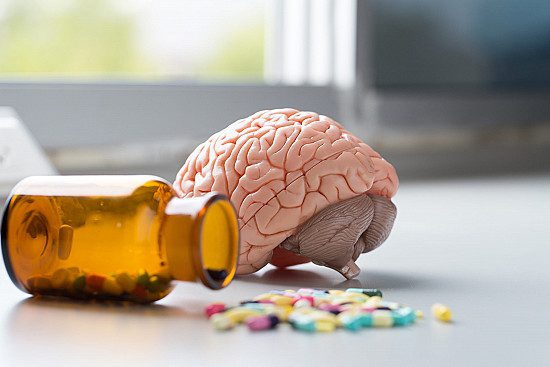
The honest answer is that, for many people, a great deal recovers. Brain scans of people who had used methamphetamine heavily showed that the dopamine system was damaged early in abstinence, and had recovered substantially in those who stayed off the drug for more than a year (Volkow and colleagues, 2001). Memory, concentration and the ability to enjoy ordinary things often improve slowly over months, helped by sleep, exercise, therapy and time.
Recovery can be slower after years of heavy use, repeated psychosis, or use of several drugs together, and some people need longer-term psychiatric care. That is why treatment does not stop at discharge.
Who leads each stage of care at Healing Door
These are the clinicians who lead each part of ice addiction treatment at our Bani Gala centre.
| Stage of care | Led by |
|---|---|
| Medical detox and physical monitoring | Dr Shahid Ikram, Physician & Addiction Treatment Specialist |
| Psychiatric assessment, ice psychosis, depression and medication | Dr M. Iqbal Khan, Psychiatrist (MBBS, MCPS) |
| Senior psychiatric oversight and psychotherapy, including complex or long-lasting psychosis | Prof Dr Jan Alam, Consultant Psychiatrist & Psychotherapist |
| CBT and one-to-one therapy | Dr Muhammad Rizwan, Clinical Psychologist |
| Family therapy, relapse prevention and aftercare | Dr Asad Ali Noor, Consultant Psychologist & Addiction Therapist |
You can meet the rest of the clinical team on our website.
What made the difference
Looking back, the family pointed to five things. These are worth knowing whether or not your family member ever comes to Healing Door:
- Treating the psychosis as a medical problem, not a character problem. Arguing with paranoid beliefs made things worse. Sleep, time and a psychiatrist made them better.
- Staying long enough. The crash is over in days. The brain, the mood and the habits take months. Bilal had stopped “for good” three times before, each for less than ten days.
- Treating the depression as well. If his low mood had been brushed off as “withdrawal”, he would probably have gone home feeling hopeless, which is when people use again.
- The family changed too. Money rules, calmer talk and less shame at home did as much as anything that happened in a therapy room.
- A plan for after discharge. Most relapses happen at home, not in rehab. Bilal left with a written plan, regular appointments and someone to call.
Related reading from Healing Door
If you are still deciding what to do, these guides answer the questions families ask next:
- Choosing an ice drug treatment centre in Pakistan: what to look for and what to avoid
- Ice addiction and its treatment: how treatment works from detox to aftercare
- Ice rehab options for families in Lahore: if you live in Punjab and are comparing options
- What affordable drug rehab in Pakistan looks like: costs and what you pay for
- Drug addiction in Pakistan: statistics, causes and solutions: the bigger picture
Help for families: what to do this week
If your family is where Bilal’s family was, these steps help, whatever treatment you choose:
- Stop arguing with paranoid beliefs. Stay calm, keep one person nearby, and keep sharp objects out of reach.
- Do not give cash. Pay bills directly instead.
- Write down what you have seen: how long, how often, sleep, weight, money, any talk of suicide or violence. Doctors need this history.
- Remove sleeping pills or anxiety tablets that were not prescribed for them. Mixing them with ice is dangerous.
- Choose the one person they trust most to start the conversation, at a calm and sober moment.
- Talk to a treatment team yourselves first. You do not need the patient’s permission to ask for advice.
- Look after yourselves. Parents and siblings often need support as much as the patient does.
Is this your family’s story?
If someone in your family is using ice, especially if they have stopped sleeping, become paranoid or talked about ending their life, you do not have to wait for a 2 am crisis to get help.
Call or WhatsApp Healing Door Rehab & Psychiatric Center in Bani Gala on +92 314 992 2547, 24 hours a day. The first conversation is free and confidential, and it can be with the family alone. The team will listen to what is happening and explain your options, including our ice addiction treatment in Islamabad, with the cost in writing before anything is decided.
If someone is in immediate danger, call 1122 or go to the nearest emergency department first.
Ice takes a few days to leave the body. Getting your life back takes longer, and it is possible.
خلاصہ (اردو میں)
- آئس (کرسٹل میتھ) کا نشہ چھوڑنے کے بعد پہلے دو تین دن مریض بہت تھکا ہوا رہتا ہے اور زیادہ سوتا ہے۔
- اس کے بعد ایک سے تین ہفتے تک اداسی، چڑچڑاپن اور نشے کی طلب رہتی ہے۔
- کچھ مریضوں کو شک، وہم یا آوازیں سنائی دینے کی شکایت ہوتی ہے۔ اس کا علاج سائیکاٹرسٹ کرتے ہیں۔
- آئس کے نشے کو ختم کرنے کی کوئی ایک گولی نہیں۔ علاج میں ڈاکٹر کی نگرانی، سی بی ٹی تھراپی، فیملی تھراپی اور گھر واپسی کے بعد مسلسل فالو اپ شامل ہیں۔
- مکمل بحالی میں کئی مہینے لگتے ہیں، اور گھر والوں کا ساتھ سب سے بڑی طاقت ہے۔
- مشورے کے لیے دن رات کسی بھی وقت کال یا واٹس ایپ کریں: 0314-9922547
Frequently asked questions
How long does it take to recover from ice addiction?
The withdrawal crash lasts days, and acute withdrawal usually settles within one to three weeks. Recovery from the addiction itself takes months. A common pattern is several weeks to three months of structured treatment, followed by months of outpatient support and relapse prevention. The right length depends on how heavy the use was and whether there is psychosis, depression or another illness.
Ice ka nasha kitne din mein utarta hai?
The high wears off within hours, but the crash that follows usually lasts two to three days. Withdrawal symptoms such as low mood, poor sleep and craving then continue for one to three weeks. Getting free of the addiction itself takes months of treatment and support.
Can you fully recover from meth addiction?
Many people do. Recovery means staying off the drug, sleeping and eating normally, working or studying, and rebuilding relationships. Research shows the brain’s dopamine system can recover substantially after long-term abstinence. Some people need longer psychiatric care, especially after years of heavy use or repeated psychosis, and a slip along the way is common.
Is ice psychosis permanent?
Usually not. In most people, paranoia and hallucinations caused by ice settle within days to a few weeks once they stop using and sleep properly. In some people symptoms last longer or return with further use, and a psychiatrist needs to check for another mental illness. Continued ice use makes repeated psychosis more likely.
Can someone quit ice at home without rehab?
Some people with lighter use do, with strong family support and outpatient treatment. People with heavy use, psychosis, suicidal thoughts or several failed attempts at home are usually safer starting in residential care, because the first weeks carry the highest risk of relapse and of serious mood problems.
Is there a medicine to quit ice (nasha chhorne ki medicine)?
No medicine is approved to cure methamphetamine addiction. Be careful of anyone selling a “nasha chhorne ki goli” for ice. Doctors treat the problems that come with it, such as psychosis, depression, anxiety and poor sleep. Therapy, especially CBT, and family involvement are the core of treatment.
What if my family member refuses treatment?
Refusal is very common, especially during or soon after a binge. Wait for a calm, sober moment, have the person they trust most speak to them, and ask for something small, such as one meeting with a doctor. You can call the admissions team first to plan the conversation. Never try to force a violent or medically unstable person into a car yourself.
How long does ice stay in urine?
A standard urine test usually detects methamphetamine for about 2 to 4 days after last use, and sometimes longer after heavy use. Quick strip tests can give false positives, so a positive result should be confirmed by a laboratory.
What helps families of someone addicted to ice?
Calm communication, no cash, removing unprescribed pills, keeping a written record of what is happening, and speaking to a treatment team early. Family therapy helps relatives deal with guilt and anger, and makes relapse less likely once the person comes home.
Does relapse mean treatment failed?
No. Many people have a slip in the first year. What matters is noticing it early, being honest about it, and returning quickly to the relapse prevention plan and the treatment team.
Is Bilal’s story real?
Bilal’s story is based on real recovery journeys at Healing Door. Names, places and details have been changed to protect privacy, so it does not describe one identifiable patient. Every person’s recovery is different, and no result is guaranteed.