Rehab Center in Bani Gala | HDRC Islamabad 2026
When someone in your family is struggling with addiction, you don’t search for rehab centers because you want to. You search because you’ve run out of other options. And what you need at that moment isn’t a brochure — it’s an honest answer.
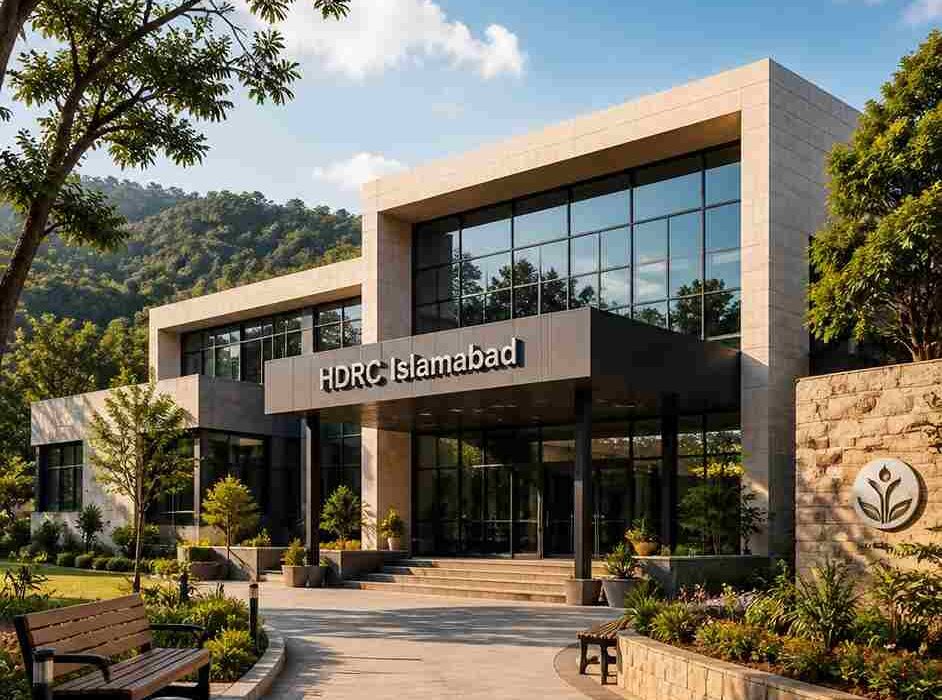
Bani Gala has quietly become Islamabad’s primary hub for serious addiction treatment. Several facilities now operate in this area, each making strong claims. Healing Door Rehab Center (HDRC) is one of them — and this guide explains what actually sets a credible rehab center in Bani Gala apart, what the treatment process looks like in practice, and what questions you should ask before you make a decision for yourself or a loved one.
Why Bani Gala Has Become Islamabad’s Rehabilitation Corridor
Location isn’t just logistics in addiction recovery. It’s clinical.
Recovery research consistently shows that physical distance from familiar triggers — the same streets, social contacts, and routines associated with substance use — meaningfully improves early-stage outcomes. Bani Gala sits in the hillside foothills southeast of Islamabad, separated from the urban density of G sectors and Blue Area by terrain, not just kilometers. Clean air, green surroundings, and reduced noise stimulation are not amenities. They are part of the therapeutic environment.
For patients coming from Islamabad, Rawalpindi, and surrounding regions, a facility in Bani Gala offers something most urban clinics can’t: genuine separation from the environment that fed the problem in the first place.
That said, location alone doesn’t make a facility trustworthy. What makes Healing Door Rehab Center a serious option is what operates inside that environment.
What HDRC Actually Offers: Services Broken Down Honestly
Healing Door Rehab Center is a UNODC-accredited, IHRA-approved rehabilitation and psychiatric facility located on Main Jinnah Road, Bani Gala, Islamabad. With over 10 years of operational experience and a multidisciplinary clinical team, it treats substance use disorders and co-occurring mental health conditions across a range of programs.
Here’s a clear breakdown of what’s available:
| Service | What It Covers |
|---|---|
| Drug Addiction Treatment | Heroin, prescription opioids, cannabis, stimulants — individualized therapy including CBT |
| Medically Supervised Detox | 24/7 monitored withdrawal management; medically guided substance clearance |
| Alcohol Abuse Rehabilitation | Structured sobriety programs, relapse prevention, counseling |
| ICE (Crystal Meth) Rehabilitation | Specialized protocol for methamphetamine dependency — behavioral and medical support |
| Psychiatric Services | Anxiety, depression, PTSD, schizophrenia, personality disorders — treated by qualified psychiatrists |
| Female Rehabilitation | Separate, women-only program with all-female clinical support — private and judgment-free |
| Mental Health Clinic | Mood disorders, trauma, psychosis, addiction-linked psychiatric illness |
| In-House Medical Clinic | Routine health monitoring, medication management, physical assessments during treatment |
The clinical team includes Prof. Dr. Jan Alam (Consultant Psychiatrist and Psychotherapist), Dr. Nasir Mehmood Abbasi (Medical and Addiction Specialist), Dr. Asad Ali Noor (CEO, Consultant Psychologist and Addiction Therapist), and several licensed clinical psychologists. That depth of specialization — psychiatry, addiction medicine, and clinical psychology in the same building — is not standard across every facility in this area.
HDRC’s work has been featured on Roze News and Neo TV, and the center holds accreditation from both UNODC and IHRA Pakistan.
What the Treatment Process Looks Like, Step by Step
Most families contacting a rehab center for the first time don’t know what to expect. The process at HDRC follows a structured clinical pathway:
- Initial Assessment — A clinical evaluation covering addiction history, substance type, duration, mental health background, and physical health status. This informs the treatment plan before admission.
- Medical Detoxification — For most substance dependencies, medically supervised detox is the first active phase. Withdrawal is managed with appropriate medication and 24/7 nursing oversight. This is not optional — unsupervised withdrawal from certain substances carries genuine medical risk.
- Inpatient Rehabilitation Program — The core phase. Structured daily programming includes individual therapy (primarily CBT-based), group therapy sessions, psychiatric consultations, and holistic support. Duration is typically 30 to 90 days depending on severity and progress.
- Dual Diagnosis Treatment — A significant number of patients presenting with addiction also carry an underlying mental health condition — depression, anxiety, trauma, or a personality disorder. HDRC addresses both simultaneously rather than treating addiction in isolation. This matters because untreated mental illness is the single most common trigger for relapse.
- Relapse Prevention Planning — Before discharge, patients and their families work with the clinical team on structured aftercare: coping strategies, trigger identification, outpatient follow-up scheduling, and a realistic reintegration plan.
- Family Involvement — Recovery doesn’t happen in isolation from the family. HDRC includes family sessions as part of the program, which evidence consistently shows improves long-term outcomes.
If you’re evaluating a facility and they don’t mention family involvement or dual diagnosis support, ask about it directly. Facilities that skip these components often have higher relapse rates at the 6-month mark.
The Questions Families Usually Don’t Think to Ask
Most people call a rehab center and ask about cost and availability. Those matter — but they’re not the questions that actually predict whether the stay will be effective.
Here are the questions worth asking any facility, including HDRC:
- Is the detox medically supervised 24/7, or only during daytime hours? Withdrawal from benzodiazepines or alcohol can be medically dangerous. Night-hour coverage is not universal.
- What is the staff-to-patient ratio? A smaller ratio means more individualized attention. Ask specifically — don’t accept a vague answer.
- How is dual diagnosis handled? Is there a psychiatrist on site, or are patients referred out? For HDRC, psychiatric services are internal — that’s a meaningful structural difference.
- What does the aftercare plan actually include? A discharge sheet with a phone number is not an aftercare plan. Ask what structured outpatient follow-up looks like in weeks 4 through 12 post-discharge.
- Is the facility registered and accredited? HDRC holds UNODC accreditation and IHRA Pakistan approval. For any facility you consider, verify registration — unregistered facilities operate without regulatory accountability.
The Honest Trade-Off: Inpatient vs. Outpatient at Bani Gala
Not everyone needs residential admission. Some patients — those with shorter dependency histories, stable home environments, and no co-occurring psychiatric conditions — may be suitable for structured outpatient programs. HDRC offers both.
The honest difference:
Inpatient (residential) is the appropriate choice when:
- The patient has moderate-to-severe dependency
- Withdrawal risk is present
- The home environment contains active triggers or unsupportive dynamics
- Previous outpatient attempts have relapsed
Outpatient may suit patients who:
- Have completed an inpatient phase and need structured follow-up
- Have mild dependency with strong family support
- Cannot step away from work or family obligations for an extended period
The clinical team at HDRC assesses which level of care fits each patient during the initial evaluation. Don’t make this decision based on cost alone — choosing the wrong level of care is the most common reason first treatment attempts fail.
What HDRC’s Accreditation Actually Means for Your Family
UNODC (United Nations Office on Drugs and Crime) accreditation is not cosmetic. It means the facility has been evaluated against international standards for treatment quality, patient safety, ethical practice, and clinical protocols. IHRA (Injury Harm Reduction Approach) Pakistan approval adds a domestic regulatory layer that most informal facilities in Pakistan do not hold.
In a market where unregistered “rehab centers” still operate without oversight — some of which have been flagged by ANF (Anti-Narcotics Force) Pakistan for violations — accreditation is a concrete, verifiable differentiator. You can ask to see the certification. A credible facility will show it.
HDRC’s recognitions from ANF Pakistan and its features on national media are additional signals — not marketing, but evidence of external validation.
ICE Addiction Treatment: Why Bani Gala Facilities Are Seeing Higher Demand
Crystal methamphetamine (ICE) use in Pakistan has risen sharply since 2022, with the Anti-Narcotics Force reporting record seizure volumes in Islamabad and Rawalpindi in 2024–2025. ICE addiction creates a clinical picture distinct from opioid dependency — the psychiatric component (paranoia, psychosis, severe sleep disruption) is more pronounced, and withdrawal requires specific behavioral and psychiatric management that general drug programs aren’t always equipped to provide.
HDRC runs a dedicated ICE rehabilitation protocol. This is a meaningful distinction in a region where many older facilities were built around heroin and opioid treatment models and haven’t updated their clinical approach to match the current substance landscape.
If ICE dependency is the presenting condition, confirm that any facility you consider has clinical staff experienced specifically with methamphetamine recovery — not just general addiction medicine.
Reaching HDRC: Location, Contact, and Next Step
Healing Door Rehab Center is located at: Opposite Mezan Bank, Main Jinnah Road, Bani Gala, Islamabad
24/7 emergency helpline: +92-314-992-2547 Email: hdrc.rehab@gmail.com Operating hours: 24/7 (emergency line); clinic consultations 8:00am – 9:00pm
Online appointment booking is available through the website at healingdoorrehab.com if an in-person assessment isn’t immediately possible. For families in acute situations, the 24/7 helpline is the fastest route to a clinical assessment and admission planning.
CONCLUSION
Finding a rehab center in Bani Gala isn’t difficult. Finding one with the clinical depth, regulatory credentials, and treatment breadth to actually address the full picture — addiction, mental health, family dynamics, and long-term relapse prevention — is where the real decision lies.
HDRC’s combination of UNODC accreditation, a genuinely multidisciplinary clinical team, and specialized programs for ICE, female patients, and dual diagnosis puts it in a different category from facilities that offer basic residential care without psychiatric integration. That doesn’t make it the right choice for every situation — but for families in Islamabad and Rawalpindi dealing with moderate to severe addiction or co-occurring mental illness, it’s one of the few facilities in the region built to handle the full scope of the problem.
The first step is a call. The conversation is confidential, and the assessment is clinical — not a sales pitch.
Recovery starts with one honest decision.
FAQ SECTION
Q1: What is the best rehab center in Bani Gala, Islamabad?
Healing Door Rehab Center (HDRC) is one of the most credentialed rehabilitation facilities in Bani Gala, holding UNODC accreditation and IHRA Pakistan approval. It offers a multidisciplinary team of psychiatrists, psychologists, and addiction specialists under one facility, covering drug addiction, ICE rehabilitation, alcohol treatment, psychiatric care, and a dedicated women-only program. For families in Islamabad and Rawalpindi, HDRC represents one of the most comprehensively structured treatment options in the region.
Q2: How long does rehab treatment take at a Bani Gala center?
Treatment duration depends on substance type, dependency severity, and whether a co-occurring mental health condition is present. At most credible facilities, including HDRC, the standard inpatient program runs 30 to 90 days. Detox alone typically takes 7 to 14 days for opioid dependency. Patients with dual diagnosis — addiction plus a psychiatric condition — generally require longer structured programs. Aftercare and outpatient follow-up extend beyond discharge, ideally for a minimum of three to six months.
Q3: Does Healing Door Rehab Center treat female patients?
Yes. HDRC operates a dedicated female rehabilitation program with an all-female clinical support environment. This is a critical distinction in the Pakistani context, where women with addiction often face additional social stigma and require a separate, private setting to engage meaningfully in treatment. The program covers substance addiction, psychiatric disorders, and mental health conditions, and is designed specifically to be confidential and judgment-free.
Q4: What is ICE addiction and does HDRC treat it?
ICE is crystal methamphetamine, a highly addictive stimulant that has seen rising prevalence in Islamabad and Rawalpindi since 2022. Its withdrawal profile differs from opioids — psychiatric symptoms including paranoia, psychosis, and severe insomnia are common and require specialized behavioral and psychiatric management. HDRC runs a dedicated ICE rehabilitation protocol, which is not available at every facility in the area. If methamphetamine is the presenting substance, verifying that a facility has specific ICE-trained staff is essential before admission.
Q5: Is Healing Door Rehab Center government registered or accredited?
HDRC holds accreditation from UNODC (United Nations Office on Drugs and Crime) and approval from IHRA Pakistan (Injury Harm Reduction Approach). It has also been recognized by ANF (Anti-Narcotics Force) Pakistan and has been featured on Roze News and Neo TV for its treatment approach. These are externally verified credentials, not self-issued. You can ask HDRC to show the documentation directly — any credible facility will provide it without hesitation.
Q6: What’s the difference between inpatient and outpatient rehab in Islamabad?
Inpatient rehab means the patient lives at the facility during treatment — typically 30 to 90 days — with 24/7 clinical supervision, structured daily programming, and full medical support. Outpatient rehab allows the patient to attend scheduled sessions while living at home. Inpatient is clinically recommended for moderate-to-severe dependency, high withdrawal risk, unstable home environments, or failed outpatient attempts. HDRC offers both. The right choice depends on a clinical assessment, not personal preference or cost alone.
Q7: How confidential is treatment at a rehab center in Bani Gala?
Reputable facilities in Bani Gala, including HDRC, operate under strict patient confidentiality protocols consistent with IHRA guidelines and medical ethics standards. Patient information is not shared without explicit consent. This is particularly important for professional patients who fear reputational exposure. When contacting any facility, ask specifically about their data privacy policy, who has access to patient records, and how they handle family disclosure. HDRC’s confidential assessment process begins at the first call.
Q8: Does HDRC provide psychiatric treatment alongside addiction rehab?
Yes — this is one of HDRC’s defining clinical features. Psychiatric services at HDRC are in-house, not referral-based. The team includes consultant psychiatrists and clinical psychologists who treat anxiety, depression, PTSD, schizophrenia, and personality disorders. This matters because a large proportion of patients with substance use disorders have an underlying mental health condition driving or sustaining the addiction. Treating both simultaneously — known as dual diagnosis treatment — produces significantly better long-term outcomes than treating addiction in isolation.
Q9: What should I look for when choosing a rehab center in Islamabad?
Five things matter most: regulatory accreditation (UNODC, IHRA, ANF recognition); a multidisciplinary clinical team that includes a psychiatrist, not just counselors; 24/7 medically supervised detox capability; a dual diagnosis treatment option; and a structured aftercare plan that extends beyond discharge. Also verify staff qualifications directly. In Pakistan’s rehabilitation sector, facilities vary widely in clinical standards. The cheapest option and the closest option are rarely the right criteria.