Rehabilitation Center Near Me Islamabad | HDRC 2026 Guide
When someone you care about is in crisis — or when you’re the one who’s finally decided to get help — searching for a rehabilitation center near me in Islamabad can feel overwhelming fast. The results mix genuine facilities with outdated listings, unverified claims, and places that use clinical-sounding language without having the credentials to back it up. This guide cuts through that. It explains what a legitimate rehab center in Islamabad should offer, what questions to ask before committing to any facility, and why the difference between the right program and the wrong one matters more than most families realise until it’s too late.
1. What ‘Rehabilitation Center’ Actually Means in Pakistan’s Healthcare Context
A rehabilitation center is a licensed medical facility that treats substance use disorders — drug addiction, alcohol dependency, and often co-occurring psychiatric conditions — through a structured clinical program. It’s not a hostel for people trying to quit on willpower. It’s not a traditional religious retreat, though spiritual support may be part of the program. It’s a place where medically trained staff manage what is, clinically speaking, a chronic health condition.
In Pakistan, rehabilitation centers are regulated by the Anti-Narcotics Force (ANF) and the respective provincial health authorities — in Islamabad’s case, the Islamabad Healthcare Regulatory Authority (IHRA). Legitimate facilities hold registration with these bodies. UNODC (United Nations Office on Drugs and Crime) accreditation, while not a legal requirement, is a meaningful indicator of a center operating to international treatment standards.
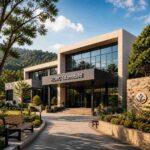
Healing Door Rehab Center (HDRC), located in Bani Gala, Islamabad, holds UNODC accreditation, IHRA approval, and ANF recognition — a combination that fewer than a handful of rehab facilities in the Islamabad–Rawalpindi corridor can currently claim as of 2026.
Inpatient vs. Outpatient: Which One Do You Actually Need?
This is the question most families get wrong before they even make a call. The choice isn’t about preference or convenience — it’s a clinical decision based on the severity of dependence.
Inpatient care is the right starting point when withdrawal risk is real.
For opioid, alcohol, or ICE (crystal meth) dependence, abrupt cessation without medical supervision can trigger seizures, psychosis, or cardiac events. Inpatient rehab includes medically supervised detox — not just emotional support. Outpatient is appropriate for milder cases where the patient has a stable, supportive home environment and no serious withdrawal risk.
| Factor | Inpatient Rehab | Outpatient Rehab |
| Supervision | 24/7 on-site medical and psychiatric | Scheduled sessions only |
| Best for | Severe dependence, withdrawal risk, dual diagnosis | Mild to moderate addiction, stable home environment |
| Duration | 30 – 90 days typically | 8 – 16 weeks, 3–5 sessions/week |
| Privacy | High — facility stays confidential | Moderate — patient moves between home and clinic |
| Detox included | Yes, medically supervised | Only if medically stable |
| Cost range (PKR/month) | Higher — residential, meals, 24/7 staffing | Lower — session-based billing |
Note: Costs vary by facility, duration, and clinical complexity. Verify current pricing directly with the center.
2. The Honest Gap in Most Islamabad Rehab Information
Most content about rehab centers in Islamabad either lists facilities without explaining what to look for, or promotes a single center without context. Neither helps a family make a sound decision in a moment of urgency.
Here’s what most guides don’t tell you. The difference between a licensed and an unlicensed rehab in Pakistan isn’t always visible from the outside. Both may describe themselves as professional, both may have WhatsApp numbers, and both may charge similar fees. The gap shows up in three places: the qualifications of the clinical staff, the existence of a medically supervised detox protocol, and the treatment approach — whether it’s evidence-based or purely custodial.
In expert assessment of addiction treatment services in Pakistan, custodial models — where patients are essentially confined rather than treated — remain common in certain lower-cost facilities. A 2023 UNODC regional report on South Asian drug treatment services noted that human rights concerns and absence of clinical protocols remain significant problems in unlicensed and poorly regulated centers across the region. This is the context in which accreditation actually matters.
The Dual-Diagnosis Problem Most Families Miss
A large proportion of people seeking addiction treatment in Islamabad are dealing with more than just a substance problem. Anxiety, depression, PTSD, and in some cases schizophrenia or bipolar disorder run alongside the addiction — and in many cases, the substance use started as self-medication for an undiagnosed psychiatric condition.
A facility that treats only the addiction without evaluating and addressing the co-occurring psychiatric condition has a high relapse rate. This is almost never mentioned in facility listings but is one of the most important clinical factors in long-term recovery outcomes.
HDRC’s clinical team includes Prof. Dr. Jan Alam (Consultant Psychiatrist and Psychotherapist), Dr. M. Iqbal Khan (Psychiatrist), and Ms. Aneela Sarfraz (Consultant Clinical Psychologist) — staff whose qualifications mean a dual-diagnosis evaluation is built into the intake process, not offered as an optional add-on.
3. Services Available at a Qualified Rehabilitation Center Near You in Islamabad
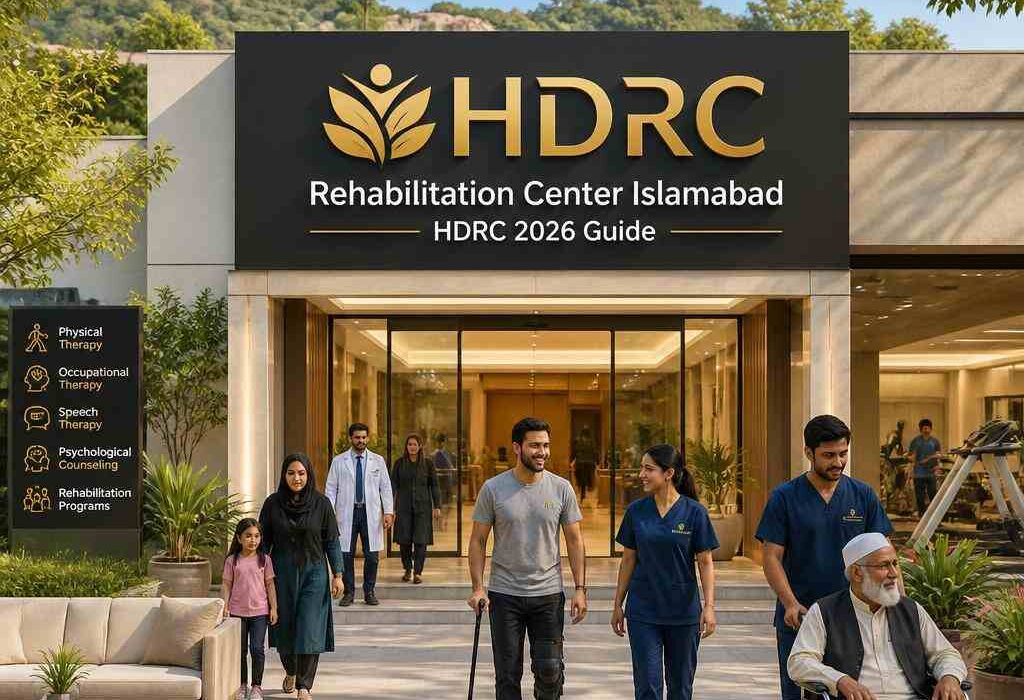
Not every center offers the full clinical picture. Below is what a comprehensive rehabilitation program should include, mapped against what HDRC specifically provides in Islamabad.
| Service | What It Covers | Who Needs It |
| Drug Addiction Treatment | CBT, group therapy, relapse prevention, personalised recovery plans | Heroin, opioids, cannabis, prescription drugs, polydrug use |
| Medically Supervised Detox | 24/7 medical monitoring, withdrawal management, safe substance removal | Any patient entering residential care; moderate-to-severe dependence |
| Alcohol Abuse Treatment | Tailored therapy, counselling, relapse prevention for AUD | Alcohol use disorder, binge drinking, alcohol-linked anxiety/depression |
| ICE / Crystal Meth Rehab | Structured detox, behavioural therapy, psychiatric stabilisation | Crystal meth (ICE) dependence — one of HDRC’s specialist programmes |
| Female Rehabilitation | Women-only ward, female-led care team, confidential intake process | Women seeking addiction or mental health treatment in a private environment |
| Psychiatric Services | Psychiatrist-led diagnosis and treatment for anxiety, depression, PTSD, schizophrenia | Co-occurring mental health disorders alongside addiction |
| Mental Health Clinic | Mood disorders, psychosis, trauma-linked illness, therapy-based support | Patients not seeking inpatient care but needing professional psychiatric input |
The ICE rehabilitation program deserves specific mention. Crystal meth use has increased sharply across Rawalpindi and Islamabad since 2022, and very few facilities in the region offer a structured clinical protocol for it. HDRC’s ICE-specific program — with separate detox and behavioural therapy pathways — addresses a gap that most generalist rehab centers haven’t built capacity for.
4. How to Evaluate Any Rehabilitation Center Before You Commit
Use this checklist before signing an admission form or making a deposit at any rehab facility in Islamabad. These questions take ten minutes to ask and prevent decisions you’ll spend months trying to undo.
- Ask for the facility’s registration number — ANF, IHRA, or both. A legitimate center will give it to you without hesitation.
- Ask which psychiatrist or medical officer oversees the detox process and what their qualifications are. Detox without medical oversight is dangerous for opioid and alcohol cases.
- Ask whether they treat co-occurring mental health conditions. If the answer is ‘we focus on addiction only,’ reconsider if you know psychiatric issues are present.
- Ask what the treatment approach is. CBT (Cognitive Behavioural Therapy), motivational interviewing, and group therapy are evidence-based. Purely punitive or confinement-based models are not clinical treatment.
- Ask about the aftercare plan. A center that has no structured post-discharge plan has a weaker recovery model. Relapse rates are highest in the 90 days immediately following discharge.
- Ask about the female-specific programme if applicable. Gender-segregated care with female clinical staff is a non-negotiable standard of privacy and safety for women seeking treatment.
- Ask about visiting policies, communication with family, and how emergencies are handled. Opacity on these points is a red flag.
HDRC offers a 24/7 emergency helpline at +92 314 992 2547 and operates with open visiting policies and structured family sessions — both standard markers of a facility running a transparent clinical programme.
5. Why Location Within Islamabad Matters More Than Most People Think
Searching for a rehabilitation center near me in Islamabad isn’t just about convenience. For inpatient care, the facility’s location affects family visiting frequency, which directly correlates with recovery outcomes in the clinical literature. For outpatient care, proximity determines whether a patient can realistically maintain the attendance schedule required for the program to work.
HDRC is located opposite Mezan Bank on Main Jinnah Road, Bani Gala, Islamabad — accessible from Islamabad, Rawalpindi, Murree Road, and the Expressway. Bani Gala’s quieter environment is a deliberate clinical choice: residential recovery benefits from reduced urban stimulation, particularly during early recovery when relapse triggers are at their most acute.
For families in Rawalpindi, the 25–35 minute drive to Bani Gala is manageable for regular visits while keeping the patient in a calmer setting. In a review of similar facility placements across Pakistan’s urban rehab landscape, proximity within a 30–40km radius has been observed to maintain family engagement without compromising the therapeutic environment.
What to Do When Someone Needs Help Right Now
If someone is in immediate crisis — whether from a medical emergency related to substance use, acute psychiatric episode, or a situation that can’t wait for a formal intake process — call HDRC’s 24/7 emergency line directly at +92 314 992 2547. The center has 10+ years of experience handling urgent admissions.
Don’t wait for a scheduled appointment if the situation is urgent. Emergency admissions for detox cases can happen same-day when bed availability permits. Ask specifically about this when you call.
6. The HDRC Clinical Team — Why Credentials Matter in Practice
The quality of a rehabilitation program is inseparable from the qualifications of the people delivering it. At HDRC, the team includes:
- Dr. Asad Ali Noor — CEO, Consultant Psychologist, and Addiction Therapist with 10+ years directing HDRC’s programs.
- Dr. Nasir Mehmood Abbasi — Medical and Addiction Specialist, Director. Medical oversight of all clinical protocols.
- Prof. Dr. Jan Alam — Consultant Psychiatrist and Psychotherapist. Manages complex psychiatric presentations.
- Dr. Shahid Ikram — MBBS-trained physician and UTC Advanced-trained Addiction Treatment Professional. Oversees detox medical management.
- Ms. Aneela Sarfraz — Consultant Clinical Psychologist. Leads individual and group therapy sessions.
- Ms. Ammarah Shaarif — Clinical Psychologist and Addiction Specialist.
- Mr. Haider Ali — Director and Consultant Psychologist. Involved in programme design and family liaison.
- Dr. M. Iqbal Khan — Psychiatrist. Co-occurring disorder assessment and psychiatric medication management.
This team structure — combining psychiatrists, addiction-trained physicians, clinical psychologists, and certified therapists — mirrors the WHO-recommended multidisciplinary model for substance use disorder treatment. It’s not standard across Islamabad’s rehab sector.
7. Aftercare and Long-Term Recovery: The Part That Determines Whether Treatment Actually Worked
Admission and detox are the beginning, not the end. The clinical literature on addiction recovery is consistent: the 90-day post-discharge window is the highest-risk period for relapse, and patients with a structured aftercare plan have significantly better long-term outcomes than those discharged without one.
HDRC provides tailored aftercare plans for every patient before discharge. These typically include scheduled follow-up therapy sessions, a relapse prevention framework personalised to the patient’s specific triggers, and family guidance on how to support recovery without enabling relapse. Whether you’re enrolling yourself or a family member, ask to review the proposed aftercare structure before admission — it’s a reliable signal of whether a centre takes long-term recovery seriously or focuses only on the inpatient billing cycle.
HDRC has been featured on Roze News and Neo TV for its Mind, Body, and Soul addiction treatment model — the same framework that underpins the aftercare approach. The media coverage isn’t the credential. The consistent application of the model across intake, residential treatment, and aftercare is.
Making the Right Decision
If you’re searching for a rehabilitation center near you in Islamabad, the most important thing to understand is that this is a medical decision, not just a practical one. The facility you choose — or the one you help someone else choose — determines whether the next 30, 60, or 90 days of their life move toward recovery or add to the damage.
Look for ANF and IHRA registration, a credentialed medical team, a supervised detox protocol, dual-diagnosis capability, and a written aftercare plan. Don’t accept vague reassurances in place of verifiable qualifications.
Healing Door Rehab Center meets each of those criteria — UNODC-accredited, IHRA-approved, ANF-recognised, with a full psychiatric and clinical team and 10+ years operating in Bani Gala, Islamabad. The 24/7 helpline is +92 314 992 2547. If someone you know needs help today, that’s the right number to call.
Recovery is not a single decision. But finding the right facility is.
FAQ Section
Q1: What is the best rehabilitation center near me in Islamabad?
The right answer depends on the clinical needs. For severe addiction with psychiatric complications, UNODC-accredited facilities with in-house psychiatrists — like Healing Door Rehab Center in Bani Gala — are the appropriate standard. What defines ‘best’ clinically is accreditation status, qualified medical staff, supervised detox capability, and a dual-diagnosis treatment model. A single facility being close to you is less important than it having the capacity to treat your specific condition correctly.
Q2: How much does a rehabilitation center cost in Islamabad in 2026?
Rehabilitation costs in Islamabad vary significantly by program type and facility. Outpatient programs are generally less expensive because billing is session-based. Inpatient residential programs include 24/7 staffing, accommodation, meals, and medical monitoring, which raises the cost. For current pricing at HDRC, contact the center directly at +92 314 992 2547 or hdrc.rehab@gmail.com. Pricing and program availability may change — always verify directly before making a commitment.
Q3: What is the difference between a detox center and a rehab center?
Detox (detoxification) is the first clinical phase of addiction treatment — it removes the substance from the body while managing withdrawal symptoms under medical supervision. Rehabilitation is the broader treatment program that follows detox, addressing the psychological, behavioural, and social factors that drove the addiction. A full-service rehab center like HDRC provides both: medically supervised detox as the intake phase and structured rehabilitation as the ongoing program.
Q4: Is there a women-only rehabilitation center in Islamabad?
HDRC operates a dedicated female rehabilitation program at its Bani Gala facility. The program provides a women-only ward, an all-female care environment for appropriate sessions, and a confidential intake process. This is designed for women who need addiction or mental health treatment but are unable or unwilling to enter a mixed-gender facility — a practical reality for many Pakistani families. Call +92 314 992 2547 to discuss female admission options.
Q5: What addictions do rehabilitation centers in Islamabad treat?
Qualified rehabilitation centers in Islamabad treat a full range of substance use disorders: heroin and opioid addiction, alcohol use disorder, crystal meth (ICE) dependence, cannabis addiction, prescription drug misuse, and polydrug use. HDRC additionally provides psychiatric services for co-occurring conditions — anxiety, depression, PTSD, and schizophrenia — which frequently accompany substance use disorders and require separate clinical management.
Q6: How do I know if a rehabilitation center in Pakistan is legitimate?
Verify three things. First, ask for the facility’s ANF (Anti-Narcotics Force) registration number and confirm it is current. Second, ask for IHRA (Islamabad Healthcare Regulatory Authority) approval documentation. Third, ask who the qualified medical officer or psychiatrist is and verify their credentials. A legitimate facility will provide this without hesitation. UNODC accreditation is an additional international-standard marker but is not held by most Pakistani facilities.
Q7: What is crystal meth (ICE) rehabilitation and where can I get it in Islamabad?
ICE rehabilitation is a specialised treatment program for crystal methamphetamine addiction, which requires a distinct clinical approach from heroin or alcohol treatment. ICE typically causes more severe psychiatric complications — including drug-induced psychosis — requiring psychiatrist involvement from the intake stage. HDRC in Bani Gala, Islamabad, operates a specific ICE rehabilitation program with structured detox and behavioural therapy designed for methamphetamine dependence, which remains uncommon in Islamabad’s rehab sector.
Q8: Can a family member be admitted to rehab without their consent in Pakistan?
In Pakistan, involuntary admission to a rehabilitation facility is legally and ethically complex. Most accredited facilities — including HDRC — operate on a voluntary or family-assisted voluntary basis where the patient consents with family support. For situations involving serious mental illness alongside addiction where the individual cannot make informed decisions, consult the psychiatric staff directly at intake. The clinical and legal pathway varies by case and requires professional guidance, not a general rule.
Q9: What happens after rehabilitation? Is there aftercare support?
Discharge without a structured aftercare plan significantly increases relapse risk, particularly in the first 90 days. At HDRC, every patient receives a tailored aftercare plan before leaving the facility, covering scheduled follow-up therapy, relapse prevention strategies personalised to their triggers, and family guidance. Patients and families should ask to review the proposed aftercare framework before admission — it tells you whether the center treats recovery as a 30-day programme or a longer-term clinical commitment.
Q10: Is addiction treatment confidential at rehabilitation centers in Islamabad?
Reputable rehabilitation centers in Islamabad maintain patient confidentiality as a clinical and ethical standard. HDRC operates with a safe and confidential environment as a stated core principle. In practice, this means medical records are not shared without patient consent, family communication is managed through structured sessions rather than open disclosure, and admission itself is handled discreetly. If confidentiality is a specific concern — particularly for professional or public-profile patients — raise it explicitly during the initial call.